The handle of a 2,800-year-old clay jug, believed to be a reference to Israel's King Mena'im, has been discovered in Jerusalem

В Иерусалиме обнаружена ручка 2800-летнего глиняного кувшина, предположительно, с упоминанием израильского царя Менаима
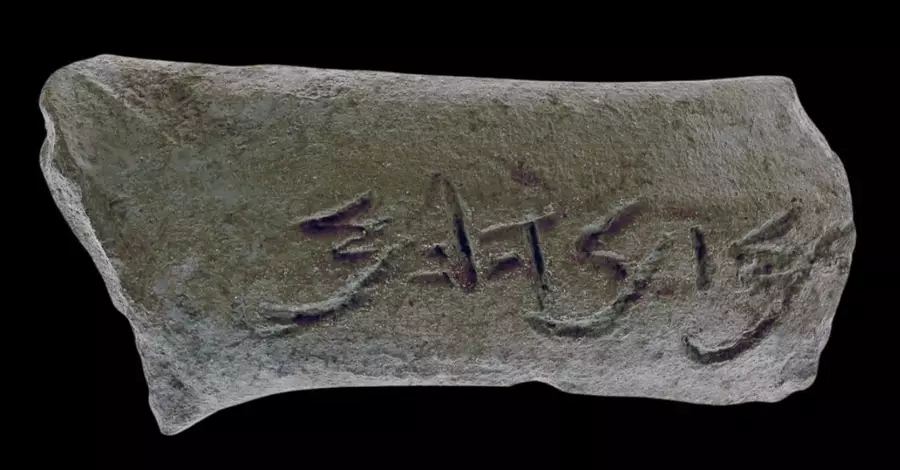
Archaeologists in Israel have unearthed a 2,800-year-old clay shard dating back to the time of the First Temple, or Temple of Solomon (950 - 586 B.C.), which bears the name of an Israelite king who is mentioned in the Bible. The announcement was made by the Israel Antiquities Authority, Christianheadlines.com reported. The pottery, which turned out to be the handle of a clay jug with the inscription "Menachem" (the name has the form "Menahem" in the Synodal translation), dates from the end of the First Temple period (8th to 7th centuries BCE). It was found by the Israel Antiquities Authority during an archaeological excavation in the Ras al-Amud neighborhood of Jerusalem, prior to the construction of a girls' school in the neighborhood by the Jerusalem Municipality. "This important find will be added to other finds with similar inscriptions that have been found in archaeological excavations in the Middle East and especially in Israel. The name "Menachem" means "comforter." It is also an expression of condolence, perhaps for the death of family members," said archaeologist Ron Beery, who is leading the excavation. This is the first time "a jug handle with this name inscribed on it has been found in Jerusalem," the Israel Antiquities Authority said in a statement. Menahem is mentioned in the Old Testament in the 4th book of Kings - he was the 16th king of Israel and ruled for 10 years (752-742 BCE). He was considered one of the wicked kings of Israel who violated the will of the Lord. "And Menahem the son of Gadias went from Tirzah, and came to Samaria, and smote Sellum the son of Jabesh in Samaria, and put him to death, and reigned in his stead. The rest about Sellum, and about his conspiracy which he made, is written in the annals of the kings of Israel. And Menaim smote Tippah and all that were in it and within it, beginning at Tirzah, because the city had not opened the gates, and broke it up, and cut down all the pregnant women in it. In the thirty-ninth year of Azariah king of Judah, Menahem the son of Gadiah reigned over Israel, and reigned ten years in Samaria; and he did that which was displeasing in the sight of the Lord; not falling short of the sins of Jeroboam the son of Nebat, who led Israel into sin, all his days. Then came Ful, king of Assyria, to the land [of Israel]. And Menaim gave unto Ful a thousand talents of silver, that his hands might be for him, and that he might establish the kingdom in his hand. And Menahem spread this silver upon the Israelites, upon all the men of wealth, fifty shekels of silver for every man, to give to the king of Assyria. And the king of Assyria went back and did not stay there in the land. The rest about Menaim and all that he did is written in the record of the kings of Israel. And Menaim rested with his fathers. And Phakiah his son reigned in his place" (4 Kings 15:14-22). He was one of the last rulers Northern Kingdom of Israel, which lasted about 200 years and was conquered around 722 by the Assyrian king Sargon II. It is not known whether the name inscribed on the handle of the jug refers specifically to the king mentioned in the Bible. However, this Menachem certainly lived during the time of Solomon's Temple and lived through the events described in Scripture. Solomon's Temple was destroyed by the Babylonians under the leadership of Nebuchadnezzar II of New Babylon.
Share:

The handle of a 2,800-year-old clay jug, believed to be a reference to Israel's King Mena'im, has been discovered in Jerusalem The handle of a 2,800-year-old clay jug, believed to be a reference to Israel's King Mena'im, has been discovered in Jerusalem Archaeologists in Israel have unearthed a 2,800-year-old clay shard dating back to the time of the First Temple, or Temple of Solomon (950 - 586 B.C.), which bears the name of an Israelite king who is mentioned in the Bible. The announcement was made by the Israel Antiquities Authority, Christianheadlines.com reported. The pottery, which turned out to be the handle of a clay jug with the inscription "Menachem" (the name has the form "Menahem" in the Synodal translation), dates from the end of the First Temple period (8th to 7th centuries BCE). It was found by the Israel Antiquities Authority during an archaeological excavation in the Ras al-Amud neighborhood of Jerusalem, prior to the construction of a girls' school in the neighborhood by the Jerusalem Municipality. "This important find will be added to other finds with similar inscriptions that have been found in archaeological excavations in the Middle East and especially in Israel. The name "Menachem" means "comforter." It is also an expression of condolence, perhaps for the death of family members," said archaeologist Ron Beery, who is leading the excavation. This is the first time "a jug handle with this name inscribed on it has been found in Jerusalem," the Israel Antiquities Authority said in a statement. Menahem is mentioned in the Old Testament in the 4th book of Kings - he was the 16th king of Israel and ruled for 10 years (752-742 BCE). He was considered one of the wicked kings of Israel who violated the will of the Lord. "And Menahem the son of Gadias went from Tirzah, and came to Samaria, and smote Sellum the son of Jabesh in Samaria, and put him to death, and reigned in his stead. The rest about Sellum, and about his conspiracy which he made, is written in the annals of the kings of Israel. And Menaim smote Tippah and all that were in it and within it, beginning at Tirzah, because the city had not opened the gates, and broke it up, and cut down all the pregnant women in it. In the thirty-ninth year of Azariah king of Judah, Menahem the son of Gadiah reigned over Israel, and reigned ten years in Samaria; and he did that which was displeasing in the sight of the Lord; not falling short of the sins of Jeroboam the son of Nebat, who led Israel into sin, all his days. Then came Ful, king of Assyria, to the land [of Israel]. And Menaim gave unto Ful a thousand talents of silver, that his hands might be for him, and that he might establish the kingdom in his hand. And Menahem spread this silver upon the Israelites, upon all the men of wealth, fifty shekels of silver for every man, to give to the king of Assyria. And the king of Assyria went back and did not stay there in the land. The rest about Menaim and all that he did is written in the record of the kings of Israel. And Menaim rested with his fathers. And Phakiah his son reigned in his place" (4 Kings 15:14-22). He was one of the last rulers Northern Kingdom of Israel, which lasted about 200 years and was conquered around 722 by the Assyrian king Sargon II. It is not known whether the name inscribed on the handle of the jug refers specifically to the king mentioned in the Bible. However, this Menachem certainly lived during the time of Solomon's Temple and lived through the events described in Scripture. Solomon's Temple was destroyed by the Babylonians under the leadership of Nebuchadnezzar II of New Babylon.
Archaeologists in Israel have unearthed a 2,800-year-old clay shard dating back to the time of the First Temple, or Temple of Solomon (950 - 586 B.C.), which bears the name of an Israelite king who is mentioned in the Bible. The announcement was made by the Israel Antiquities Authority, Christianheadlines.com reported. The pottery, which turned out to be the handle of a clay jug with the inscription "Menachem" (the name has the form "Menahem" in the Synodal translation), dates from the end of the First Temple period (8th to 7th centuries BCE). It was found by the Israel Antiquities Authority during an archaeological excavation in the Ras al-Amud neighborhood of Jerusalem, prior to the construction of a girls' school in the neighborhood by the Jerusalem Municipality. "This important find will be added to other finds with similar inscriptions that have been found in archaeological excavations in the Middle East and especially in Israel. The name "Menachem" means "comforter." It is also an expression of condolence, perhaps for the death of family members," said archaeologist Ron Beery, who is leading the excavation. This is the first time "a jug handle with this name inscribed on it has been found in Jerusalem," the Israel Antiquities Authority said in a statement. Menahem is mentioned in the Old Testament in the 4th book of Kings - he was the 16th king of Israel and ruled for 10 years (752-742 BCE). He was considered one of the wicked kings of Israel who violated the will of the Lord. "And Menahem the son of Gadias went from Tirzah, and came to Samaria, and smote Sellum the son of Jabesh in Samaria, and put him to death, and reigned in his stead. The rest about Sellum, and about his conspiracy which he made, is written in the annals of the kings of Israel. And Menaim smote Tippah and all that were in it and within it, beginning at Tirzah, because the city had not opened the gates, and broke it up, and cut down all the pregnant women in it. In the thirty-ninth year of Azariah king of Judah, Menahem the son of Gadiah reigned over Israel, and reigned ten years in Samaria; and he did that which was displeasing in the sight of the Lord; not falling short of the sins of Jeroboam the son of Nebat, who led Israel into sin, all his days. Then came Ful, king of Assyria, to the land [of Israel]. And Menaim gave unto Ful a thousand talents of silver, that his hands might be for him, and that he might establish the kingdom in his hand. And Menahem spread this silver upon the Israelites, upon all the men of wealth, fifty shekels of silver for every man, to give to the king of Assyria. And the king of Assyria went back and did not stay there in the land. The rest about Menaim and all that he did is written in the record of the kings of Israel. And Menaim rested with his fathers. And Phakiah his son reigned in his place" (4 Kings 15:14-22). He was one of the last rulers Northern Kingdom of Israel, which lasted about 200 years and was conquered around 722 by the Assyrian king Sargon II. It is not known whether the name inscribed on the handle of the jug refers specifically to the king mentioned in the Bible. However, this Menachem certainly lived during the time of Solomon's Temple and lived through the events described in Scripture. Solomon's Temple was destroyed by the Babylonians under the leadership of Nebuchadnezzar II of New Babylon.