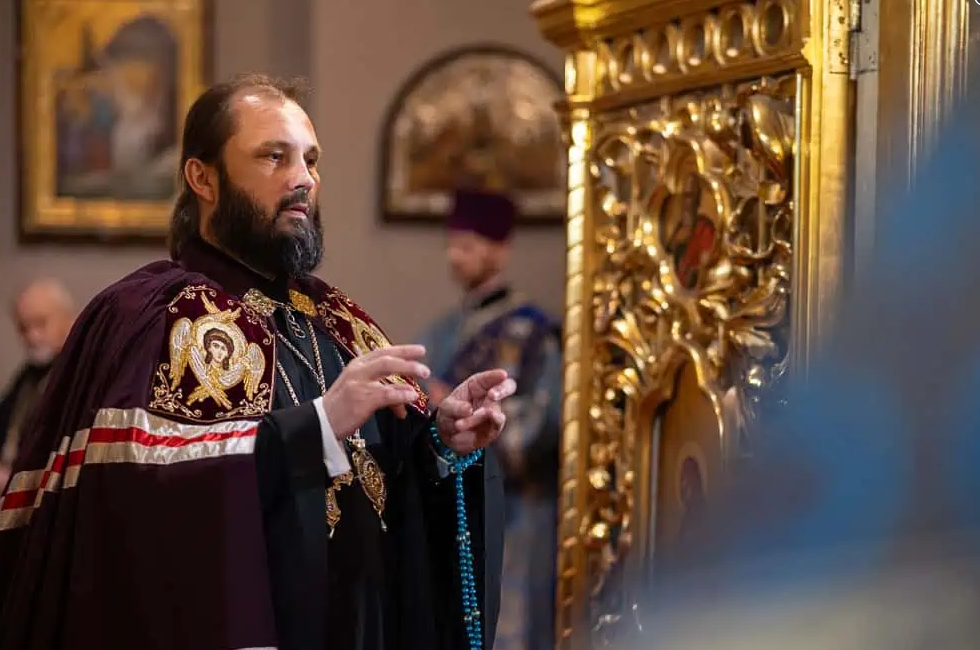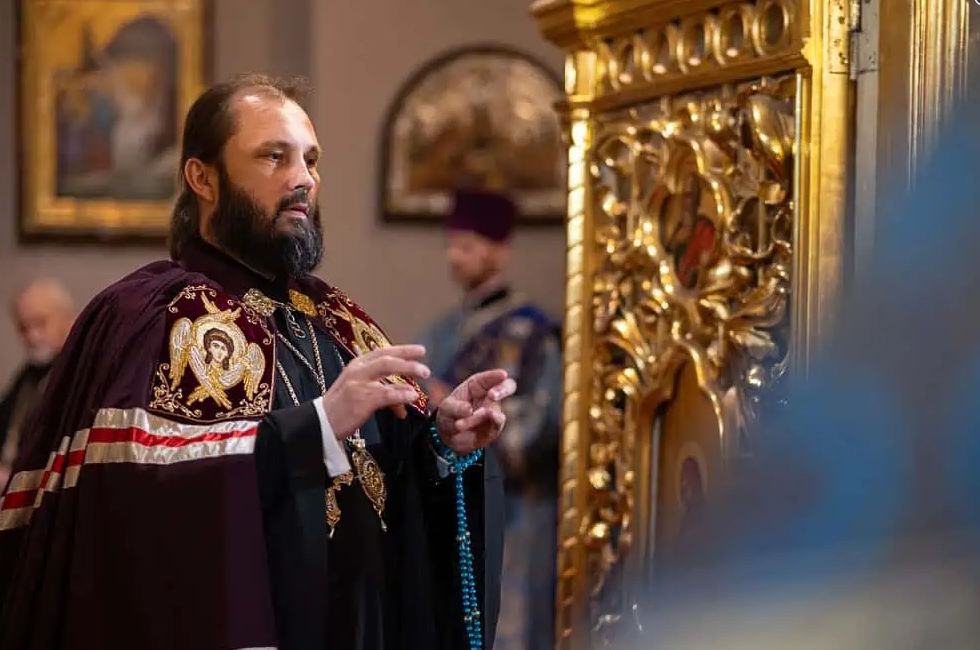
This year's celebration of the Feast of the Presentation of the Lord at the Cathedral of St. Mary Magdalene in Warsaw was presided over by His Excellency Paul, Bishop of Hajnów. The saint was assisted by the local clergy. The sermon was delivered by Fr. Fr. Jerzy Kulik, who presented the Old Testament law of offering every firstborn child to God. The custom extended to male firstborns as well. Then the preacher drew the figures of the elder Simeon and the prophetess Anna meeting the young man whom Christ brought to the temple in Jerusalem. At the moment of the meeting between the Creator and the creation, the righteous elder understood the meaning of the fragment of Isaiah 7:14: "The virgin will conceive and bear a Son," and uttered the words of the well-known prayer: "Now You release Your servant".
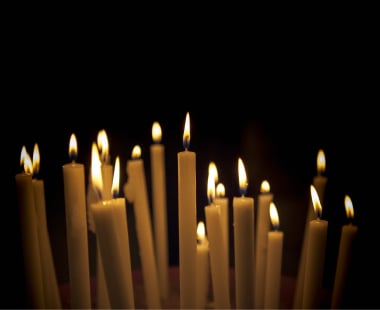
Then in his sermon the priest pointed out the importance of consecrating church candles on this day, which are a symbol of Christ and his light that illuminates the world around us. According to the pious tradition, believers carry candles into their homes to sanctify and illuminate our surroundings, families and life paths with God's light, concluded the preacher.
During the evening service and after the end of St. Paul's Liturgy, Bishop Paul performed the rite of consecration of candles. The festive celebrations in the Cathedral of the capital ended with a festive glorification.
The Purification of the Lord is one of the twelve great Orthodox feasts, celebrated on the fortieth day after the Nativity of Christ, i.e. February 15. It was established to commemorate the bringing of the infant Jesus by Our Lady and Joseph to the Temple in Jerusalem. In Orthodox tradition, the feast concludes the period associated with the Nativity of Christ. One of the main themes of the feast is the symbolism of light. The light of the candle symbolizes Christ, of whom the elder Simeon spoke: a light for the enlightenment of the Gentiles (Lk. 2:32). The Gospel of St. John calls the Savior: "the light of the world, enlightening everyone who comes into the world" (John 1:9). The symbolism of light is vividly emphasized in the liturgical texts of the Feast of the Presentation of the Lord and in practice is expressed in the rite of consecration of candles planned for this day.
Then in his sermon the priest pointed out the importance of consecrating church candles on this day, which are a symbol of Christ and his light that illuminates the world around us. According to the pious tradition, believers carry candles into their homes to sanctify and illuminate our surroundings, families and life paths with God's light, concluded the preacher.
During the evening service and after the end of St. Paul's Liturgy, Bishop Paul performed the rite of consecration of candles. The festive celebrations in the Cathedral of the capital ended with a festive glorification.
The Purification of the Lord is one of the twelve great Orthodox feasts, celebrated on the fortieth day after the Nativity of Christ, i.e. February 15. It was established to commemorate the bringing of the infant Jesus by Our Lady and Joseph to the Temple in Jerusalem. In Orthodox tradition, the feast concludes the period associated with the Nativity of Christ. One of the main themes of the feast is the symbolism of light. The light of the candle symbolizes Christ, of whom the elder Simeon spoke: a light for the enlightenment of the Gentiles (Lk. 2:32). The Gospel of St. John calls the Savior: "the light of the world, enlightening everyone who comes into the world" (John 1:9). The symbolism of light is vividly emphasized in the liturgical texts of the Feast of the Presentation of the Lord and in practice is expressed in the rite of consecration of candles planned for this day.
Share: