Israeli archaeologists have discovered a 1,500-year-old church with drawings made by Christian pilgrims

Израильские археологи обнаружили 1500-летнюю церковь с рисунками, сделанными христианскими паломниками

Rahat (Israel), June 5, 2024.

Photo: Facebook/ Israel Antiquities Authority

In Israel, archaeologists have discovered the walls of a 1,500-year-old church with drawings made by Christian pilgrims who likely stopped at the site on their way to the shrines of Jerusalem and Bethlehem, Crosswalk reported.com.

The walls of this temple were discovered in the Negev Desert (in southern Israel, covering almost 60% of the country) during excavations by the Israel Antiquities Authority (IAA) and will be on public display on June 6, according to a press release.

The Israel Antiquities Authority called the find a "huge surprise."

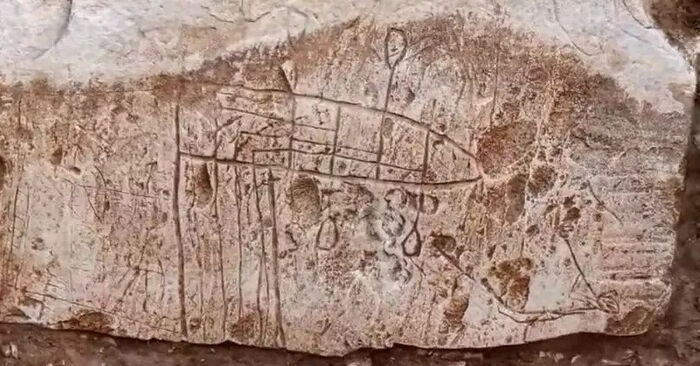
The drawings on the temple walls. depicting ships. They were most likely made shortly after foreign pilgrims docked their ships on the Mediterranean coast. The church is about a 12-hour walk from the port. It was built about 500 years after the Nativity of Christ. Pilgrimages to the places connected with earthly life of the Savior and with various Bible events, began to rapidly gain popularity among Christians after conversion of Sacred Equal Apostles Emperor Constantine Great in Christianity in the beginning of IV century.

According to excavation leaders, the drawings were "greetings to Christian pilgrims arriving by ship" in the port.

"The objects found in the excavation tell us the story of the settlement of the northern Negev Desert in the late Byzantine and early Islamic periods. Pilgrims visited this church and left their mark here in the form of drawings of ships on its walls. The ship is also an ancient Christian symbol, but in this case - apparently, this is a real image of real ships on which pilgrims traveled to the Holy Land," - said the leaders of the study.

The church is located near the an ancient Roman road, the Israel Antiquities Authority said.

"Pilgrims embarked on pilgrimages along Roman roads leading to Christianity's sacred sites such as Jerusalem, Bethlehem, monasteries in the hills of the Negev Desert and Sinai. It makes sense that their first stop after arriving in the port of Gaza was this church, which was discovered during our excavations south of Rahat [Israel's largest urban Bedouin settlement in the Negev Desert]," the press release said.

The excavation management team includes Oren Shmueli, Elena Kogan-Zehavi, Noah David Michel and Deborah Zwickel. Eli Escusido, director of the Israel Antiquities Authority, called the find "amazing and intriguing," which "opens a window into the world of Christian pilgrims who visited the Holy Land 1,500 years ago." He also added that "it is a visual record of the ships they traveled in and the maritime business of the time."

Source: https://www.crosswalk.com

Share:

Holy Items & Services

Israeli archaeologists have discovered a 1,500-year-old church with drawings made by Christian pilgrims Israeli archaeologists have discovered a 1,500-year-old church with drawings made by Christian pilgrims Rahat (Israel), June 5, 2024. Photo: Facebook/ Israel Antiquities Authority Photo: Facebook/ Israel Antiquities Authority In Israel, archaeologists have discovered the walls of a 1,500-year-old church with drawings made by Christian pilgrims who likely stopped at the site on their way to the shrines of Jerusalem and Bethlehem, Crosswalk reported.com. The walls of this temple were discovered in the Negev Desert (in southern Israel, covering almost 60% of the country) during excavations by the Israel Antiquities Authority (IAA) and will be on public display on June 6, according to a press release. The Israel Antiquities Authority called the find a "huge surprise." The drawings on the temple walls. depicting ships. They were most likely made shortly after foreign pilgrims docked their ships on the Mediterranean coast. The church is about a 12-hour walk from the port. It was built about 500 years after the Nativity of Christ. Pilgrimages to the places connected with earthly life of the Savior and with various Bible events, began to rapidly gain popularity among Christians after conversion of Sacred Equal Apostles Emperor Constantine Great in Christianity in the beginning of IV century. According to excavation leaders, the drawings were "greetings to Christian pilgrims arriving by ship" in the port. "The objects found in the excavation tell us the story of the settlement of the northern Negev Desert in the late Byzantine and early Islamic periods. Pilgrims visited this church and left their mark here in the form of drawings of ships on its walls. The ship is also an ancient Christian symbol, but in this case - apparently, this is a real image of real ships on which pilgrims traveled to the Holy Land," - said the leaders of the study. The church is located near the an ancient Roman road, the Israel Antiquities Authority said. "Pilgrims embarked on pilgrimages along Roman roads leading to Christianity's sacred sites such as Jerusalem, Bethlehem, monasteries in the hills of the Negev Desert and Sinai. It makes sense that their first stop after arriving in the port of Gaza was this church, which was discovered during our excavations south of Rahat [Israel's largest urban Bedouin settlement in the Negev Desert]," the press release said. The excavation management team includes Oren Shmueli, Elena Kogan-Zehavi, Noah David Michel and Deborah Zwickel. Eli Escusido, director of the Israel Antiquities Authority, called the find "amazing and intriguing," which "opens a window into the world of Christian pilgrims who visited the Holy Land 1,500 years ago." He also added that "it is a visual record of the ships they traveled in and the maritime business of the time."
Rahat (Israel), June 5, 2024. Photo: Facebook/ Israel Antiquities Authority Photo: Facebook/ Israel Antiquities Authority In Israel, archaeologists have discovered the walls of a 1,500-year-old church with drawings made by Christian pilgrims who likely stopped at the site on their way to the shrines of Jerusalem and Bethlehem, Crosswalk reported.com. The walls of this temple were discovered in the Negev Desert (in southern Israel, covering almost 60% of the country) during excavations by the Israel Antiquities Authority (IAA) and will be on public display on June 6, according to a press release. The Israel Antiquities Authority called the find a "huge surprise." The drawings on the temple walls. depicting ships. They were most likely made shortly after foreign pilgrims docked their ships on the Mediterranean coast. The church is about a 12-hour walk from the port. It was built about 500 years after the Nativity of Christ. Pilgrimages to the places connected with earthly life of the Savior and with various Bible events, began to rapidly gain popularity among Christians after conversion of Sacred Equal Apostles Emperor Constantine Great in Christianity in the beginning of IV century. According to excavation leaders, the drawings were "greetings to Christian pilgrims arriving by ship" in the port. "The objects found in the excavation tell us the story of the settlement of the northern Negev Desert in the late Byzantine and early Islamic periods. Pilgrims visited this church and left their mark here in the form of drawings of ships on its walls. The ship is also an ancient Christian symbol, but in this case - apparently, this is a real image of real ships on which pilgrims traveled to the Holy Land," - said the leaders of the study. The church is located near the an ancient Roman road, the Israel Antiquities Authority said. "Pilgrims embarked on pilgrimages along Roman roads leading to Christianity's sacred sites such as Jerusalem, Bethlehem, monasteries in the hills of the Negev Desert and Sinai. It makes sense that their first stop after arriving in the port of Gaza was this church, which was discovered during our excavations south of Rahat [Israel's largest urban Bedouin settlement in the Negev Desert]," the press release said. The excavation management team includes Oren Shmueli, Elena Kogan-Zehavi, Noah David Michel and Deborah Zwickel. Eli Escusido, director of the Israel Antiquities Authority, called the find "amazing and intriguing," which "opens a window into the world of Christian pilgrims who visited the Holy Land 1,500 years ago." He also added that "it is a visual record of the ships they traveled in and the maritime business of the time."