In Belarus on Palm Sunday the icon of St. Luke of Crimea was pacified

В Беларуси в вербное воскресенье замироточила икона святителя Луки Крымского

In the Vitebsk region of the Republic of Belarus, in the city of Dokshitsy, on the Great Feast of the Entry of the Lord into Jerusalem, an icon of St. Luke of Crimea began to stream myrrh, who during his lifetime was an outstanding doctor and made an invaluable contribution to the development of surgery.
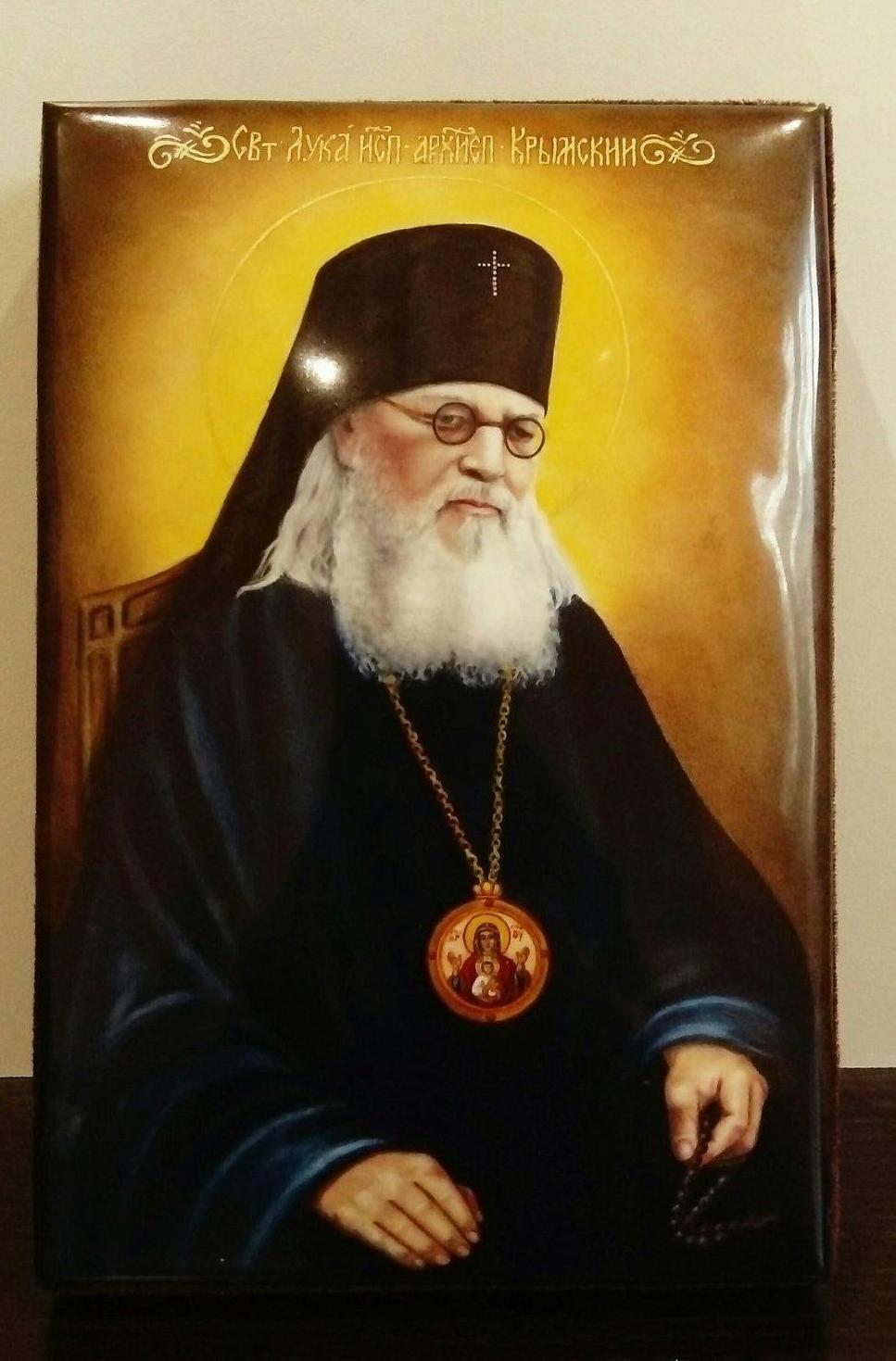
Saint Luke of Crimea (Voino-Yasenetsky)
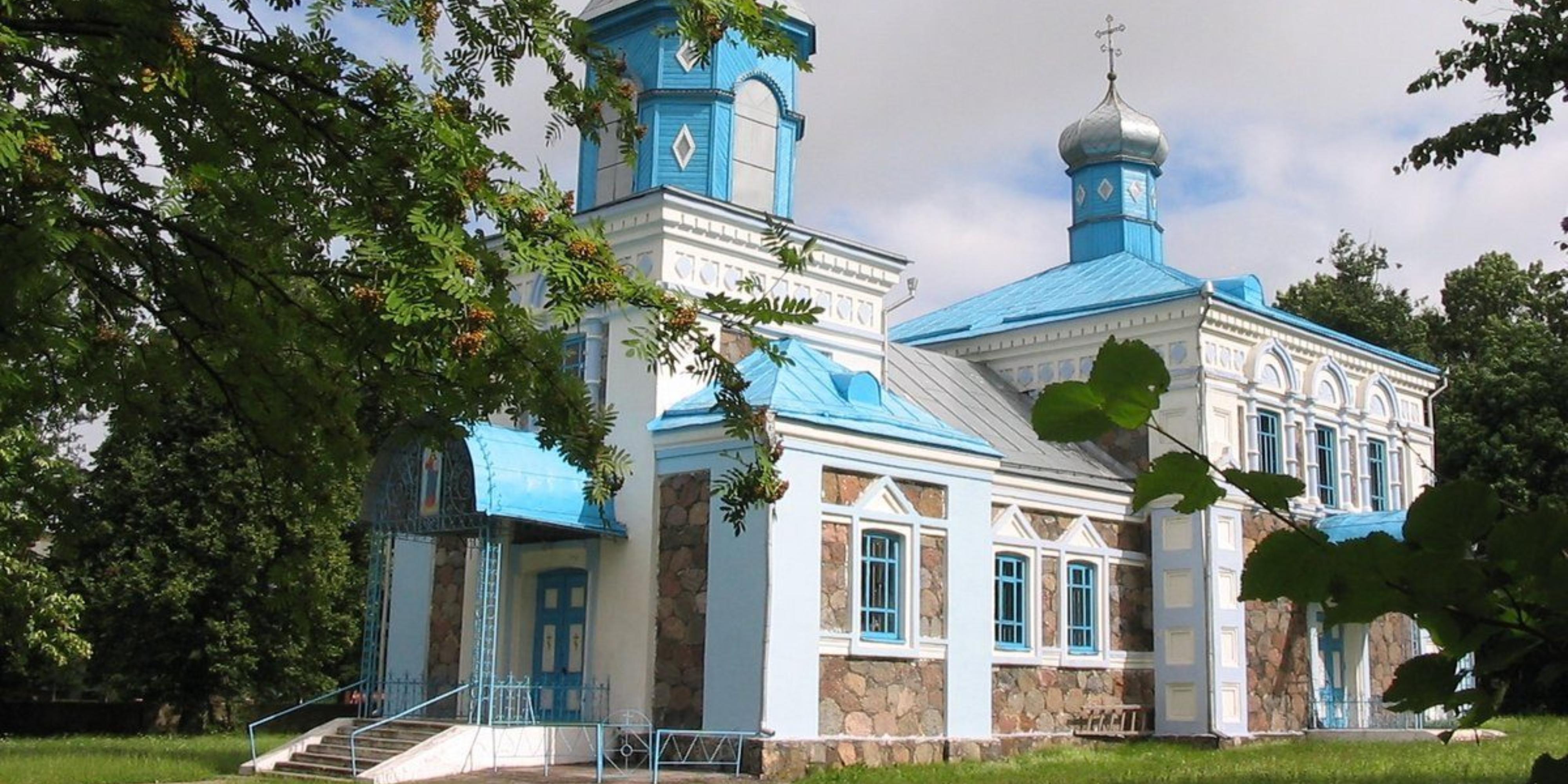
The regional newspaper 'Rodny Votoki' was the first to report about the case of myrrh streaming in the Church of the Intercession of the Most Holy Theotokos. The rector of the Holy Protection Church in Dokshitsy, Archpriest Georgy Meleshko, told her correspondent: “The icon of the saint not only cried with 'dew', it brightened, shone with some kind of inner light. The grace of God is sent from above. We will believe that it will help cure the sick from today's epidemic and protect our city from danger. It is not for nothing that Saint Luke was a great doctor in worldly life, and I think that he heard our prayers. '

Unfortunately, believers cannot yet see the icon, much less venerate it: the clergy brought the myrrh-streaming image to the altar, believing that the miracle should be performed in peace. This strange decision could be associated with the situation around the coronavirus and the undesirability of the influx of a large number of worshipers to the temple, who come to pray at the myrrh-streaming icon. To the Lord God and Saint Luke. However, churches in the Republic of Belarus are not closed, and there are no restrictions on visiting them. President of the country Alexander Lukashenko has repeatedly noted that no obstacles will be created for citizens who are going to come to churches to celebrate Holy Easter. At the same time, due to the current epidemiological situation, the President of Belarus proposed to the clergy to install tables for the consecration of Easter cakes and eggs inside churches, and in the fresh air, in order to minimize the risk of infection.

Share:
In Belarus on Palm Sunday the icon of St. Luke of Crimea was pacified In Belarus on Palm Sunday the icon of St. Luke of Crimea was pacified In the Vitebsk region of the Republic of Belarus, in the city of Dokshitsy, on the Great Feast of the Entry of the Lord into Jerusalem, an icon of St. Luke of Crimea began to stream myrrh, who during his lifetime was an outstanding doctor and made an invaluable contribution to the development of surgery. Saint Luke of Crimea (Voino-Yasenetsky) The regional newspaper 'Rodny Votoki' was the first to report about the case of myrrh streaming in the Church of the Intercession of the Most Holy Theotokos. The rector of the Holy Protection Church in Dokshitsy, Archpriest Georgy Meleshko, told her correspondent: “The icon of the saint not only cried with 'dew', it brightened, shone with some kind of inner light. The grace of God is sent from above. We will believe that it will help cure the sick from today's epidemic and protect our city from danger. It is not for nothing that Saint Luke was a great doctor in worldly life, and I think that he heard our prayers. ' Unfortunately, believers cannot yet see the icon, much less venerate it: the clergy brought the myrrh-streaming image to the altar, believing that the miracle should be performed in peace. This strange decision could be associated with the situation around the coronavirus and the undesirability of the influx of a large number of worshipers to the temple, who come to pray at the myrrh-streaming icon. To the Lord God and Saint Luke. However, churches in the Republic of Belarus are not closed, and there are no restrictions on visiting them. President of the country Alexander Lukashenko has repeatedly noted that no obstacles will be created for citizens who are going to come to churches to celebrate Holy Easter. At the same time, due to the current epidemiological situation, the President of Belarus proposed to the clergy to install tables for the consecration of Easter cakes and eggs inside churches, and in the fresh air, in order to minimize the risk of infection.
In the Vitebsk region of the Republic of Belarus, in the city of Dokshitsy, on the Great Feast of the Entry of the Lord into Jerusalem, an icon of St. Luke of Crimea began to stream myrrh, who during his lifetime was an outstanding doctor and made an invaluable contribution to the development of surgery. Saint Luke of Crimea (Voino-Yasenetsky) The regional newspaper 'Rodny Votoki' was the first to report about the case of myrrh streaming in the Church of the Intercession of the Most Holy Theotokos. The rector of the Holy Protection Church in Dokshitsy, Archpriest Georgy Meleshko, told her correspondent: “The icon of the saint not only cried with 'dew', it brightened, shone with some kind of inner light. The grace of God is sent from above. We will believe that it will help cure the sick from today's epidemic and protect our city from danger. It is not for nothing that Saint Luke was a great doctor in worldly life, and I think that he heard our prayers. ' Unfortunately, believers cannot yet see the icon, much less venerate it: the clergy brought the myrrh-streaming image to the altar, believing that the miracle should be performed in peace. This strange decision could be associated with the situation around the coronavirus and the undesirability of the influx of a large number of worshipers to the temple, who come to pray at the myrrh-streaming icon. To the Lord God and Saint Luke. However, churches in the Republic of Belarus are not closed, and there are no restrictions on visiting them. President of the country Alexander Lukashenko has repeatedly noted that no obstacles will be created for citizens who are going to come to churches to celebrate Holy Easter. At the same time, due to the current epidemiological situation, the President of Belarus proposed to the clergy to install tables for the consecration of Easter cakes and eggs inside churches, and in the fresh air, in order to minimize the risk of infection.