Protestant Christians have a Day of Repentance and Prayer
18 November 2020
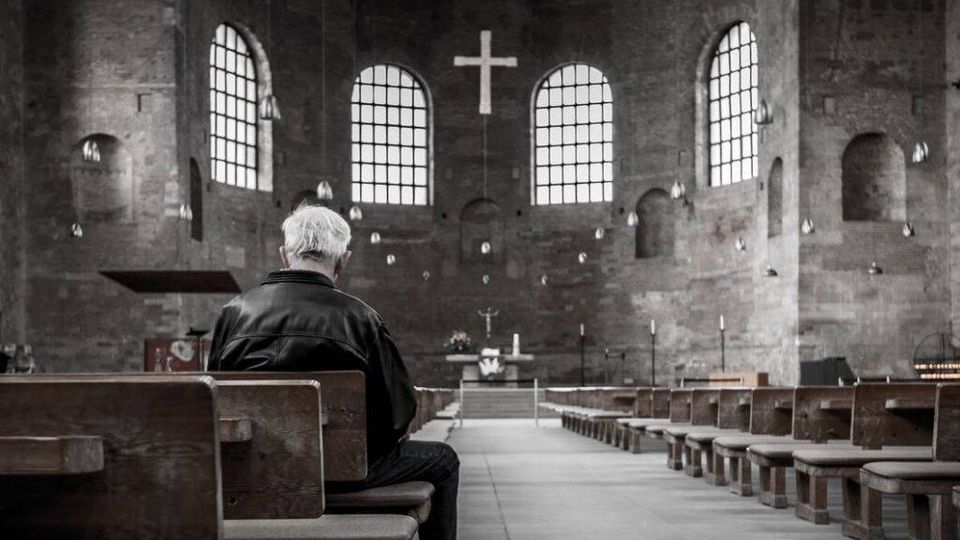
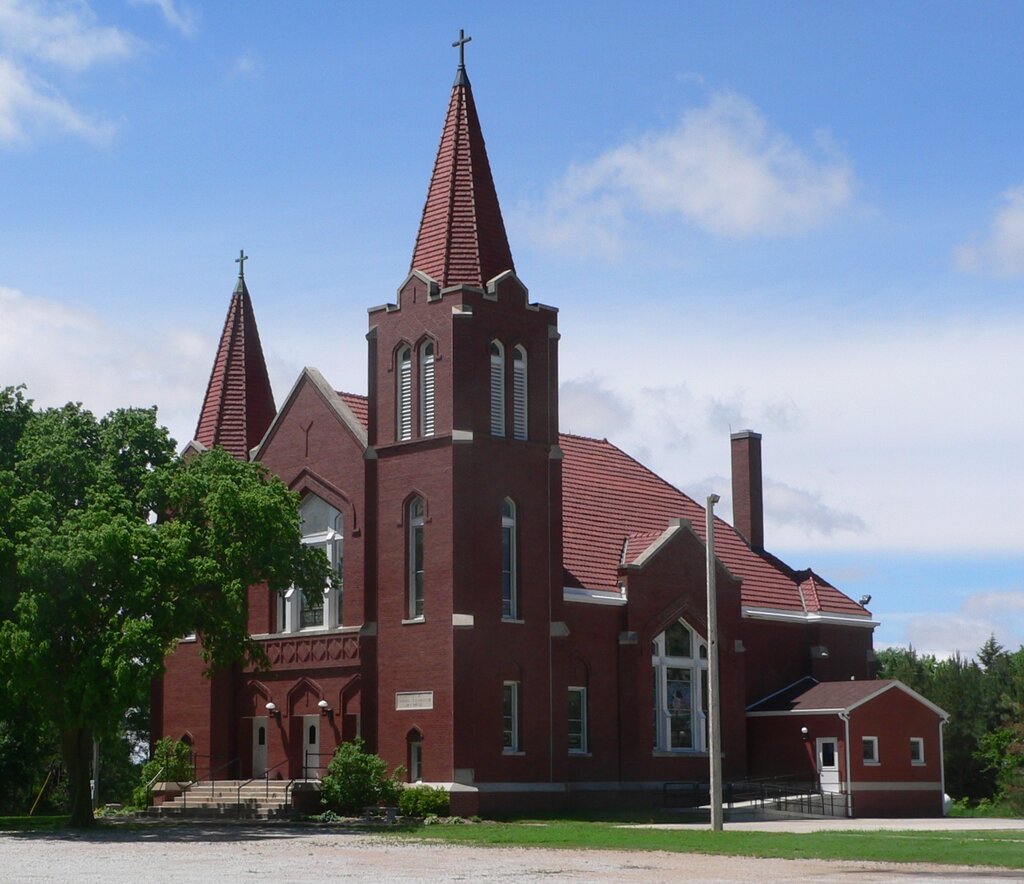
On the Wednesday before the last Sunday of the church year, Christians of Protestant denominations celebrate the Day of Repentance and Prayer - Buß- und Bettag or Day of Prayer and Repentance. This year it fell on 18 November. Nowadays, this day is most significant in German-speaking countries: Germany, Austria, Switzerland. Протестантский храм в Пелле, Германия The holiday dates back to the medieval 'days of atonement'. In those centuries, during frequent epidemics and wars, the clergy called the flock to intense prayer and repentance. For believers, this connection is obvious today, and especially this year, when the coronavirus pandemic continues in the world. In accordance with the tradition of Protestantism, the prayer of repentance is offered directly to the Lord Jesus Christ. People who are far from Christianity often associate the word 'repentance' with incorrect associations. On the Day of Repentance and Prayer, we are not talking about self-abasement and the desire for punishment for what you have done - but about changing your inner attitude towards it. Once on this day, all work was canceled, and people spent their time from morning to evening thinking about their own imperfection and rethinking their actions and words. In some countries, this tradition continues to this day.
Protestant Christians have a Day of Repentance and PrayerProtestant Christians have a Day of Repentance and PrayerOn the Wednesday before the last Sunday of the church year, Christians of Protestant denominations celebrate the Day of Repentance and Prayer - Buß- und Bettag or Day of Prayer and Repentance. This year it fell on 18 November. Nowadays, this day is most significant in German-speaking countries: Germany, Austria, Switzerland. Протестантский храм в Пелле, Германия The holiday dates back to the medieval 'days of atonement'. In those centuries, during frequent epidemics and wars, the clergy called the flock to intense prayer and repentance. For believers, this connection is obvious today, and especially this year, when the coronavirus pandemic continues in the world. In accordance with the tradition of Protestantism, the prayer of repentance is offered directly to the Lord Jesus Christ. People who are far from Christianity often associate the word 'repentance' with incorrect associations. On the Day of Repentance and Prayer, we are not talking about self-abasement and the desire for punishment for what you have done - but about changing your inner attitude towards it. Once on this day, all work was canceled, and people spent their time from morning to evening thinking about their own imperfection and rethinking their actions and words. In some countries, this tradition continues to this day.
Свеча Иерусалима -en
On the Wednesday before the last Sunday of the church year, Christians of Protestant denominations celebrate the Day of Repentance and Prayer - Buß- und Bettag or Day of Prayer and Repentance. This year it fell on 18 November. Nowadays, this day is most significant in German-speaking countries: Germany, Austria, Switzerland. Протестантский храм в Пелле, Германия The holiday dates back to the medieval 'days of atonement'. In those centuries, during frequent epidemics and wars, the clergy called the flock to intense prayer and repentance. For believers, this connection is obvious today, and especially this year, when the coronavirus pandemic continues in the world. In accordance with the tradition of Protestantism, the prayer of repentance is offered directly to the Lord Jesus Christ. People who are far from Christianity often associate the word 'repentance' with incorrect associations. On the Day of Repentance and Prayer, we are not talking about self-abasement and the desire for punishment for what you have done - but about changing your inner attitude towards it. Once on this day, all work was canceled, and people spent their time from morning to evening thinking about their own imperfection and rethinking their actions and words. In some countries, this tradition continues to this day.