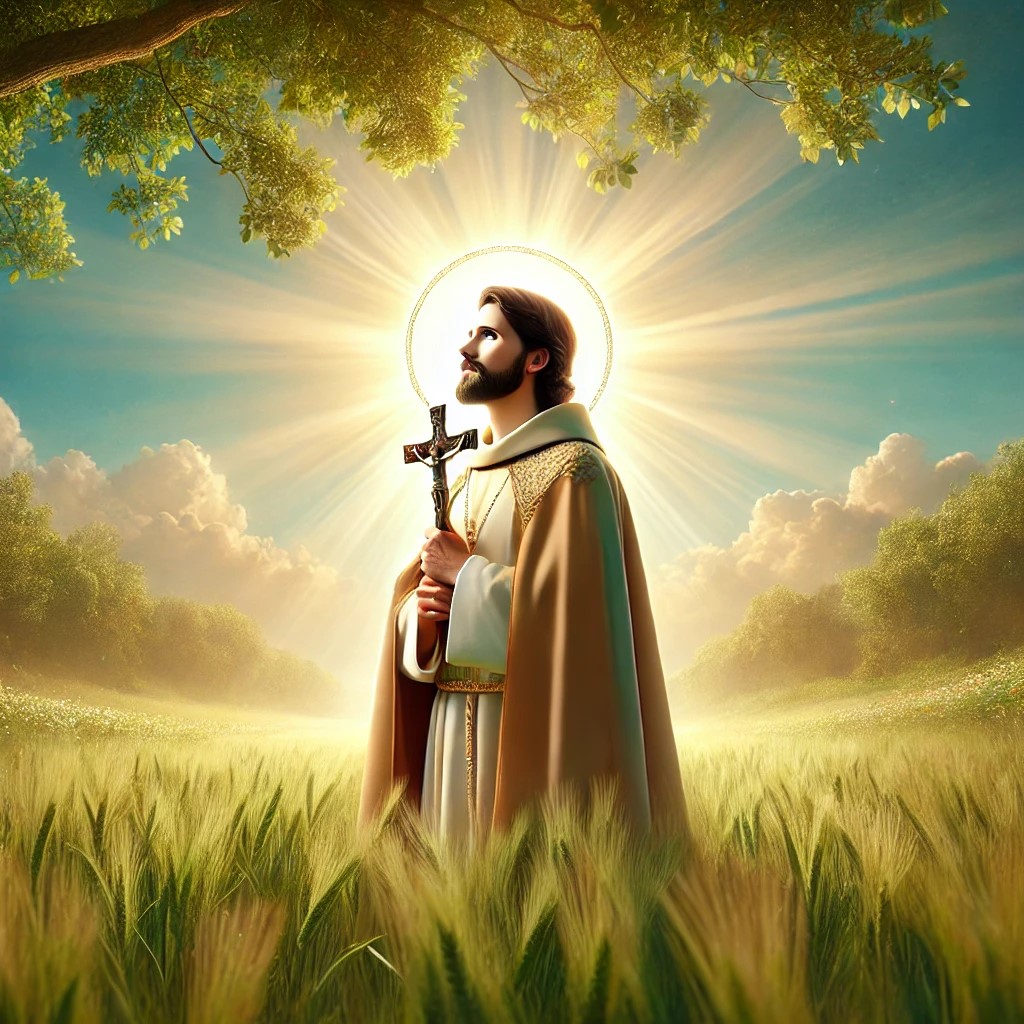
Holiness as the Path to Union with God

 Святость как путь к единению с Богом

In the Catholic tradition, holiness occupies a central place in every Christian's life. It is not just an exalted state of the soul but a calling and a goal to which we must aspire. As Saint Augustine said: “You have made us for Yourself, and our heart is restless until it rests in You.” Holiness is the return of the heart to its Creator.

What Does It Mean to Be Holy?

In Catholic understanding, holiness is more than living a virtuous life. It is a response to God’s call to love, expressed through faith, hope, and charity. Saints are those who lived filled with love for God and neighbor, responding to this call with their entire lives.

The ideal of holiness is accessible to everyone. It is not only reserved for monks or priests but also for laypeople. Saints canonized by the Church were often ordinary people—family members, artisans, teachers, or doctors. Their lives demonstrate that holiness is possible in any state and path of life.

Holiness and the Gospel

Saint Paul reminds us: “Be imitators of God as beloved children, and live in love” (Eph 5:1–2). Holiness is a life that becomes an embodiment of the Gospel. It is a journey where, through prayer, sacraments, and good deeds, a person is transformed into the image of Christ.

The strength of holiness is rooted in the grace that God gives through the Church. Confession, the Eucharist, reading the Scriptures, and spiritual guidance help Christians grow in holiness.

Examples of Holiness

Every saint is unique, and their life paths are diverse. Saint Francis of Assisi, with his radical renunciation of wealth and love for God’s creation, inspires humility and gratitude. Saint Teresa of Calcutta, through her service to the poor and dying, is an example of compassion. Saint John Paul II encouraged young people to open their hearts to Christ and boldly live the Gospel.

How to Become Holy?

The path to holiness begins with small steps. It is a daily effort to follow the commandments, dedicate time to prayer, and help others. Do not fear weaknesses and mistakes—God is always ready to support those who seek Him.

Saint John XXIII said: “Be kind, love one another. This is the path to holiness.” Love is the flame that transforms our lives and makes them a light for others.

Conclusion

Holiness is not an unattainable ideal but a goal to which God calls each of us. Follow Christ, live by His Word, and you will become who God created you to be. Remember the saints as friends and patrons, pray for their intercession, and be inspired by their example. After all, each of us is called to be holy.

Share:
Holiness as the Path to Union with God Holiness as the Path to Union with God In the Catholic tradition, holiness occupies a central place in every Christian's life. It is not just an exalted state of the soul but a calling and a goal to which we must aspire. As Saint Augustine said: “You have made us for Yourself, and our heart is restless until it rests in You.” Holiness is the return of the heart to its Creator. What Does It Mean to Be Holy? In Catholic understanding, holiness is more than living a virtuous life. It is a response to God’s call to love, expressed through faith, hope, and charity. Saints are those who lived filled with love for God and neighbor, responding to this call with their entire lives. The ideal of holiness is accessible to everyone. It is not only reserved for monks or priests but also for laypeople. Saints canonized by the Church were often ordinary people—family members, artisans, teachers, or doctors. Their lives demonstrate that holiness is possible in any state and path of life. Holiness and the Gospel Saint Paul reminds us: “Be imitators of God as beloved children, and live in love” (Eph 5:1–2). Holiness is a life that becomes an embodiment of the Gospel. It is a journey where, through prayer, sacraments, and good deeds, a person is transformed into the image of Christ. The strength of holiness is rooted in the grace that God gives through the Church. Confession, the Eucharist, reading the Scriptures, and spiritual guidance help Christians grow in holiness. Examples of Holiness Every saint is unique, and their life paths are diverse. Saint Francis of Assisi, with his radical renunciation of wealth and love for God’s creation, inspires humility and gratitude. Saint Teresa of Calcutta, through her service to the poor and dying, is an example of compassion. Saint John Paul II encouraged young people to open their hearts to Christ and boldly live the Gospel. How to Become Holy? The path to holiness begins with small steps. It is a daily effort to follow the commandments, dedicate time to prayer, and help others. Do not fear weaknesses and mistakes—God is always ready to support those who seek Him. Saint John XXIII said: “Be kind, love one another. This is the path to holiness.” Love is the flame that transforms our lives and makes them a light for others. Conclusion Holiness is not an unattainable ideal but a goal to which God calls each of us. Follow Christ, live by His Word, and you will become who God created you to be. Remember the saints as friends and patrons, pray for their intercession, and be inspired by their example. After all, each of us is called to be holy.
In the Catholic tradition, holiness occupies a central place in every Christian's life. It is not just an exalted state of the soul but a calling and a goal to which we must aspire. As Saint Augustine said: “You have made us for Yourself, and our heart is restless until it rests in You.” Holiness is the return of the heart to its Creator. What Does It Mean to Be Holy? In Catholic understanding, holiness is more than living a virtuous life. It is a response to God’s call to love, expressed through faith, hope, and charity. Saints are those who lived filled with love for God and neighbor, responding to this call with their entire lives. The ideal of holiness is accessible to everyone. It is not only reserved for monks or priests but also for laypeople. Saints canonized by the Church were often ordinary people—family members, artisans, teachers, or doctors. Their lives demonstrate that holiness is possible in any state and path of life. Holiness and the Gospel Saint Paul reminds us: “Be imitators of God as beloved children, and live in love” (Eph 5:1–2). Holiness is a life that becomes an embodiment of the Gospel. It is a journey where, through prayer, sacraments, and good deeds, a person is transformed into the image of Christ. The strength of holiness is rooted in the grace that God gives through the Church. Confession, the Eucharist, reading the Scriptures, and spiritual guidance help Christians grow in holiness. Examples of Holiness Every saint is unique, and their life paths are diverse. Saint Francis of Assisi, with his radical renunciation of wealth and love for God’s creation, inspires humility and gratitude. Saint Teresa of Calcutta, through her service to the poor and dying, is an example of compassion. Saint John Paul II encouraged young people to open their hearts to Christ and boldly live the Gospel. How to Become Holy? The path to holiness begins with small steps. It is a daily effort to follow the commandments, dedicate time to prayer, and help others. Do not fear weaknesses and mistakes—God is always ready to support those who seek Him. Saint John XXIII said: “Be kind, love one another. This is the path to holiness.” Love is the flame that transforms our lives and makes them a light for others. Conclusion Holiness is not an unattainable ideal but a goal to which God calls each of us. Follow Christ, live by His Word, and you will become who God created you to be. Remember the saints as friends and patrons, pray for their intercession, and be inspired by their example. After all, each of us is called to be holy.