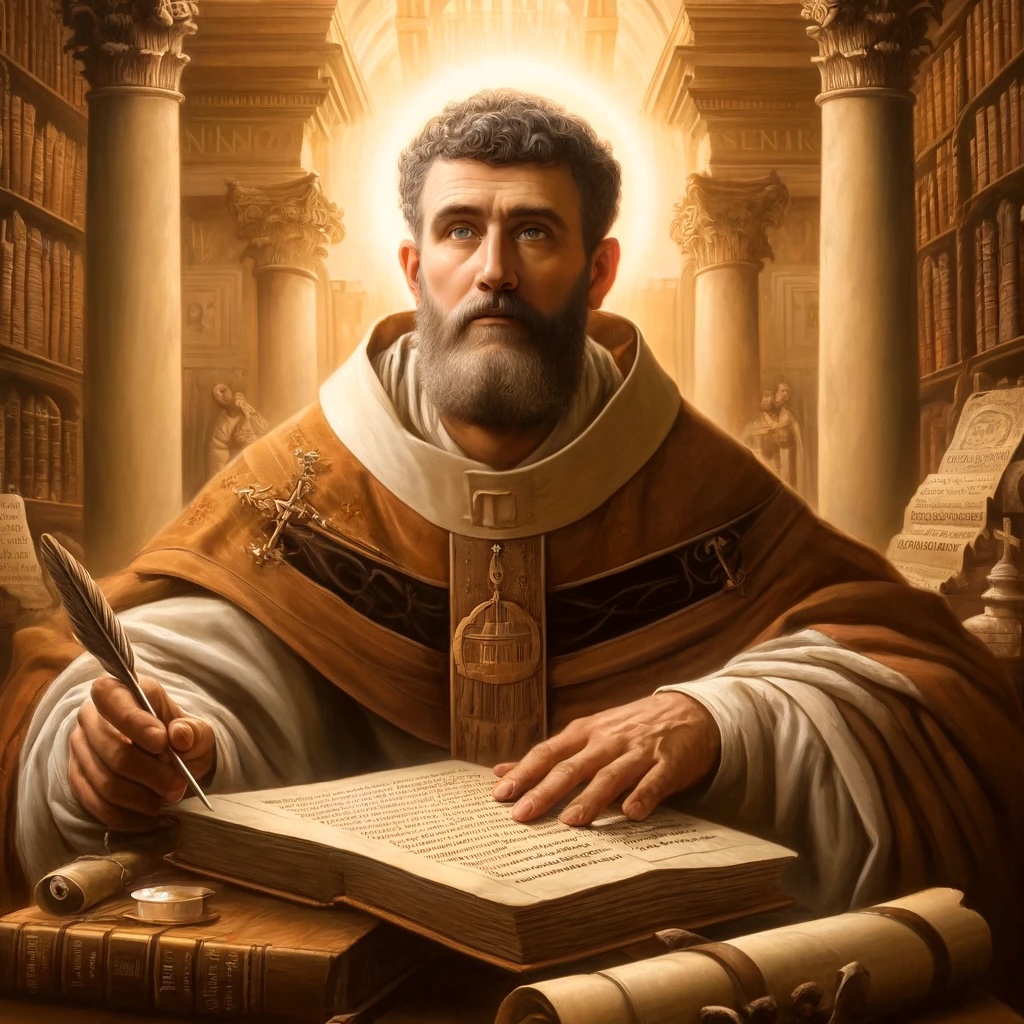
Sacred Scripture and Tradition: Two Sources of Revelation

Священное Писание и Предание: Два источника откровения

In the Catholic Church, the teaching on Divine Revelation is based on two primary sources: Sacred Scripture and Sacred Tradition. These two sources are inseparably connected and mutually complementary. They form the foundation of the Church's doctrine and serve as a guide for every Catholic in their spiritual life.

Sacred Scripture: The Word of God Written in Books

Sacred Scripture, or the Bible, is the Word of God, written under the inspiration of the Holy Spirit. It includes the Old and New Testaments, containing God's revelation, made known through the prophets and then through Jesus Christ. For Catholics, the Bible is not just a book but a living Word of God through which God speaks to every believer and to all humanity.

According to Catholic teaching, the Bible is infallible in matters of faith and morals because it was written under the guidance of the Holy Spirit. Everything contained in Scripture is intended to reveal the truth about God and His plan for salvation. Pope Benedict XVI, in his encyclical Verbum Domini, emphasized that the Bible is not a static document of the past but a living book that continues to speak to us today.

Sacred Tradition: The Unwritten Revelation

Sacred Tradition is the second source of revelation that exists alongside Scripture. While the Bible contains the written Word of God, Tradition transmits the revelation through the continuous practice and teaching of the Church. This teaching was passed down orally by the apostles and their successors and continues to live in the liturgy, sacraments, worship, and other aspects of the Church's life.

Tradition includes teachings that were not written in Scripture but were passed down from generation to generation. An example is the teaching on the Holy Trinity, which was developed in the Church based on revelation transmitted through apostolic tradition. While the word "Trinity" is not found in the Bible, the doctrine of the triune God has existed in Christian tradition from the very beginning.

The Relationship Between Scripture and Tradition

The Catholic Church teaches that Scripture and Tradition cannot exist independently of each other. Both sources of revelation go hand in hand and are inseparably connected. Scripture without Tradition risks being misinterpreted or incomplete. For example, doctrines such as infant baptism or Mary's title as the Mother of God are not fully explained in Scripture but are transmitted through the Church's Tradition.

Sacred Tradition is the key to correctly understanding Scripture. Over the centuries, the Church has interpreted the Bible through the Church Fathers, councils, and saints, which has become part of Tradition. Thus, Catholics believe that the fullness of the truth of revelation is revealed through the combination of Scripture and Tradition.

The Role of the Magisterium

The Catholic Church also emphasizes the importance of the Magisterium, the official teaching authority of the Church, which is responsible for the correct interpretation of Scripture and Tradition. The Magisterium, consisting of the pope and bishops, is endowed by Christ with the authority to explain and defend the truth of revelation. This helps the Church preserve unity in doctrine and transmit the faith in its purity.

Pope Leo XIII, in his encyclical Providentissimus Deus, emphasized that the Church's Magisterium is the only authentic interpreter of Sacred Scripture, ensuring that the Bible is used in the proper spirit. This authority helps the Church maintain the purity of faith and avoid disagreements in interpreting Scripture.

Conclusion

Sacred Scripture and Sacred Tradition are two sources of revelation that mutually complement each other and lead believers to the truth. In them, God reveals Himself and His plan for the salvation of humanity. Catholics are called to carefully consider both sources, drawing inspiration from the Bible and believing in the Tradition handed down by the Church. This dual revelation serves as the foundation of faith and is a compass for the spiritual life of every believer.

Share:
Sacred Scripture and Tradition: Two Sources of Revelation Sacred Scripture and Tradition: Two Sources of Revelation In the Catholic Church, the teaching on Divine Revelation is based on two primary sources: Sacred Scripture and Sacred Tradition. These two sources are inseparably connected and mutually complementary. They form the foundation of the Church's doctrine and serve as a guide for every Catholic in their spiritual life. Sacred Scripture: The Word of God Written in Books Sacred Scripture, or the Bible, is the Word of God, written under the inspiration of the Holy Spirit. It includes the Old and New Testaments, containing God's revelation, made known through the prophets and then through Jesus Christ. For Catholics, the Bible is not just a book but a living Word of God through which God speaks to every believer and to all humanity. According to Catholic teaching, the Bible is infallible in matters of faith and morals because it was written under the guidance of the Holy Spirit. Everything contained in Scripture is intended to reveal the truth about God and His plan for salvation. Pope Benedict XVI, in his encyclical Verbum Domini, emphasized that the Bible is not a static document of the past but a living book that continues to speak to us today. Sacred Tradition: The Unwritten Revelation Sacred Tradition is the second source of revelation that exists alongside Scripture. While the Bible contains the written Word of God, Tradition transmits the revelation through the continuous practice and teaching of the Church. This teaching was passed down orally by the apostles and their successors and continues to live in the liturgy, sacraments, worship, and other aspects of the Church's life. Tradition includes teachings that were not written in Scripture but were passed down from generation to generation. An example is the teaching on the Holy Trinity, which was developed in the Church based on revelation transmitted through apostolic tradition. While the word "Trinity" is not found in the Bible, the doctrine of the triune God has existed in Christian tradition from the very beginning. The Relationship Between Scripture and Tradition The Catholic Church teaches that Scripture and Tradition cannot exist independently of each other. Both sources of revelation go hand in hand and are inseparably connected. Scripture without Tradition risks being misinterpreted or incomplete. For example, doctrines such as infant baptism or Mary's title as the Mother of God are not fully explained in Scripture but are transmitted through the Church's Tradition. Sacred Tradition is the key to correctly understanding Scripture. Over the centuries, the Church has interpreted the Bible through the Church Fathers, councils, and saints, which has become part of Tradition. Thus, Catholics believe that the fullness of the truth of revelation is revealed through the combination of Scripture and Tradition. The Role of the Magisterium The Catholic Church also emphasizes the importance of the Magisterium, the official teaching authority of the Church, which is responsible for the correct interpretation of Scripture and Tradition. The Magisterium, consisting of the pope and bishops, is endowed by Christ with the authority to explain and defend the truth of revelation. This helps the Church preserve unity in doctrine and transmit the faith in its purity. Pope Leo XIII, in his encyclical Providentissimus Deus, emphasized that the Church's Magisterium is the only authentic interpreter of Sacred Scripture, ensuring that the Bible is used in the proper spirit. This authority helps the Church maintain the purity of faith and avoid disagreements in interpreting Scripture. Conclusion Sacred Scripture and Sacred Tradition are two sources of revelation that mutually complement each other and lead believers to the truth. In them, God reveals Himself and His plan for the salvation of humanity. Catholics are called to carefully consider both sources, drawing inspiration from the Bible and believing in the Tradition handed down by the Church. This dual revelation serves as the foundation of faith and is a compass for the spiritual life of every believer.
In the Catholic Church, the teaching on Divine Revelation is based on two primary sources: Sacred Scripture and Sacred Tradition. These two sources are inseparably connected and mutually complementary. They form the foundation of the Church's doctrine and serve as a guide for every Catholic in their spiritual life. Sacred Scripture: The Word of God Written in Books Sacred Scripture, or the Bible, is the Word of God, written under the inspiration of the Holy Spirit. It includes the Old and New Testaments, containing God's revelation, made known through the prophets and then through Jesus Christ. For Catholics, the Bible is not just a book but a living Word of God through which God speaks to every believer and to all humanity. According to Catholic teaching, the Bible is infallible in matters of faith and morals because it was written under the guidance of the Holy Spirit. Everything contained in Scripture is intended to reveal the truth about God and His plan for salvation. Pope Benedict XVI, in his encyclical Verbum Domini, emphasized that the Bible is not a static document of the past but a living book that continues to speak to us today. Sacred Tradition: The Unwritten Revelation Sacred Tradition is the second source of revelation that exists alongside Scripture. While the Bible contains the written Word of God, Tradition transmits the revelation through the continuous practice and teaching of the Church. This teaching was passed down orally by the apostles and their successors and continues to live in the liturgy, sacraments, worship, and other aspects of the Church's life. Tradition includes teachings that were not written in Scripture but were passed down from generation to generation. An example is the teaching on the Holy Trinity, which was developed in the Church based on revelation transmitted through apostolic tradition. While the word "Trinity" is not found in the Bible, the doctrine of the triune God has existed in Christian tradition from the very beginning. The Relationship Between Scripture and Tradition The Catholic Church teaches that Scripture and Tradition cannot exist independently of each other. Both sources of revelation go hand in hand and are inseparably connected. Scripture without Tradition risks being misinterpreted or incomplete. For example, doctrines such as infant baptism or Mary's title as the Mother of God are not fully explained in Scripture but are transmitted through the Church's Tradition. Sacred Tradition is the key to correctly understanding Scripture. Over the centuries, the Church has interpreted the Bible through the Church Fathers, councils, and saints, which has become part of Tradition. Thus, Catholics believe that the fullness of the truth of revelation is revealed through the combination of Scripture and Tradition. The Role of the Magisterium The Catholic Church also emphasizes the importance of the Magisterium, the official teaching authority of the Church, which is responsible for the correct interpretation of Scripture and Tradition. The Magisterium, consisting of the pope and bishops, is endowed by Christ with the authority to explain and defend the truth of revelation. This helps the Church preserve unity in doctrine and transmit the faith in its purity. Pope Leo XIII, in his encyclical Providentissimus Deus, emphasized that the Church's Magisterium is the only authentic interpreter of Sacred Scripture, ensuring that the Bible is used in the proper spirit. This authority helps the Church maintain the purity of faith and avoid disagreements in interpreting Scripture. Conclusion Sacred Scripture and Sacred Tradition are two sources of revelation that mutually complement each other and lead believers to the truth. In them, God reveals Himself and His plan for the salvation of humanity. Catholics are called to carefully consider both sources, drawing inspiration from the Bible and believing in the Tradition handed down by the Church. This dual revelation serves as the foundation of faith and is a compass for the spiritual life of every believer.