The Sacrament of the Eucharist: The Center of Catholic Life

Таинство Евхаристии: Центр католической жизни

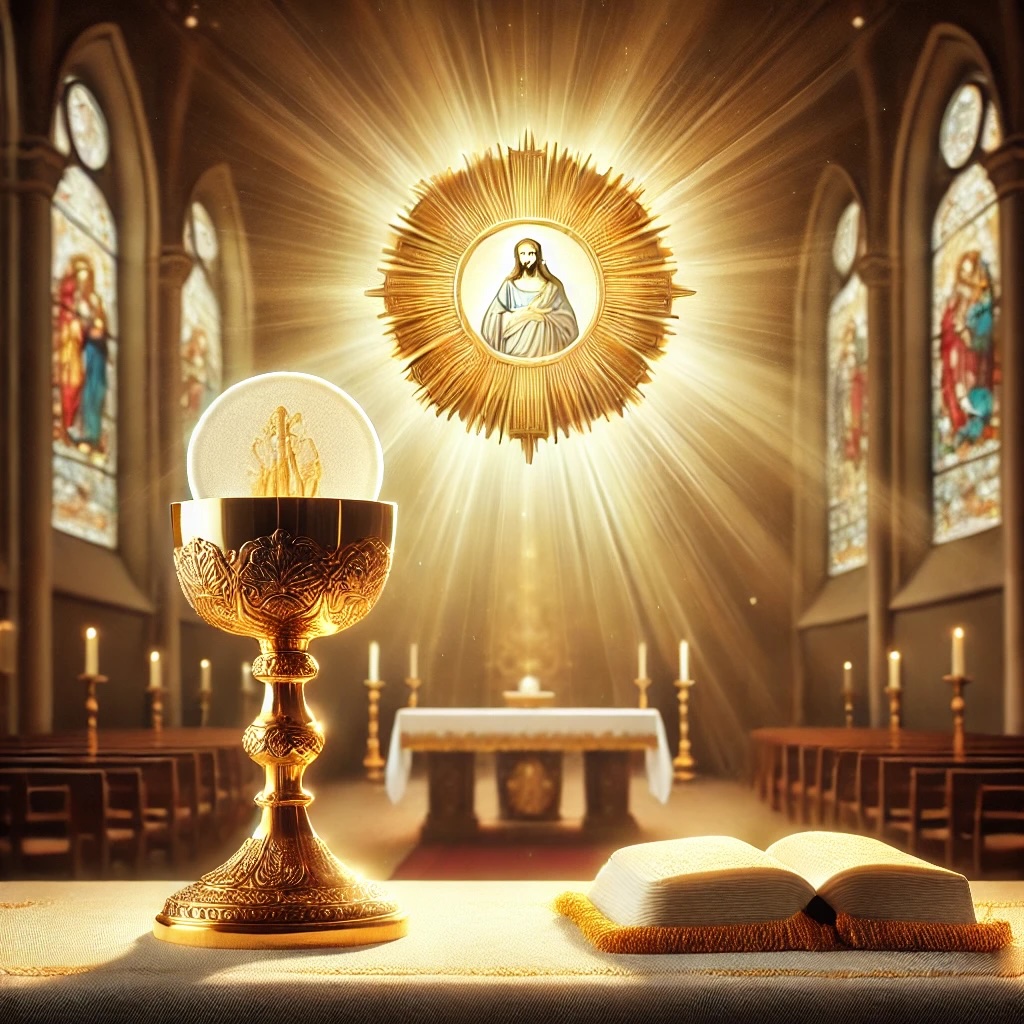
The Sacrament of the Eucharist holds a central place in the spiritual life of the Catholic Church and is the heart of the liturgical life of the Christian. In this sacrament, Catholics believe that they truly partake in the Body and Blood of Jesus Christ, who gives Himself for the salvation of humanity. The Eucharist not only reminds us of the Last Supper but also renews the sacrifice of Christ on the cross each time, making it living and effective for the faithful.

Biblical Foundations of the Eucharist

The teaching of the Eucharist is based on the words of Jesus Christ spoken at the Last Supper: "This is My Body, which is given for you; do this in remembrance of Me" and "This cup is the New Covenant in My Blood" (Luke 22:19–20). These words form the foundation of the Eucharistic prayer offered by priests during every Mass.

The Gospel of John also emphasizes the importance of this sacrament. In the sixth chapter, Jesus says, "I am the living bread that came down from heaven. Whoever eats this bread will live forever. The bread that I will give is My flesh for the life of the world" (John 6:51). These words clearly point to the real presence of Jesus in the Eucharist, not merely the symbolic meaning of bread and wine.

The Real Presence of Christ

The Catholic Church teaches that at the moment of consecration, the bread and wine at Mass become the Body and Blood of Christ. This process is called transubstantiation, meaning a change in the substance of the bread and wine, although their outward appearance remains the same. Catholic doctrine asserts that in this sacrament, Christ is truly and really present, though hidden under the forms of bread and wine.

The importance of the Eucharist is emphasized in every liturgy when the priest, raising the consecrated gifts, reminds the faithful that they are partaking in Christ's sacrifice. Believers, by receiving Communion, become united with Christ and with one another, strengthened in grace and life in faith.

Eucharist and Sacrifice

The Eucharist is not merely a remembrance of the Last Supper, but the renewal of the sacrifice of Jesus Christ offered on the cross. Every time Mass is celebrated, the sacrifice of Christ becomes present for those in attendance. In this sacrament, the Church offers a thanksgiving sacrifice to God for the salvation given through the crucifixion and resurrection of Jesus.

The Eucharist also reminds believers of the necessity of sacrifice in their own lives. Just as Christ gave Himself for the salvation of the world, so too are Christians called to give their lives in service to God and neighbor. The Eucharistic sacrifice should inspire the faithful to acts of charity, love, and self-giving.

Eucharist and the Church

The Eucharist is not only the center of the spiritual life of each believer but also the center of the Church itself. The Church, as the Body of Christ, receives its life and unity through this sacrament. The Eucharist is the binding force that unites all members of the Church, making them one in faith and love. As Saint John Paul II said, the Eucharist builds the Church.

Every Sunday, Catholics gather to participate in Mass, receiving the Body and Blood of Christ. This is not only spiritual nourishment for each Christian but also an act of unity, where the whole community becomes one body in Christ.

The Eucharist is more than a ritual or symbol. It is a living sacrament through which Christ personally meets His faithful. In it, believers receive grace for life in faith, strength for service, and inspiration for love of God and neighbor. The Sacrament of the Eucharist reminds us of Christ's infinite love, who gives Himself for the salvation of the world, and calls every Christian to be part of this sacrificial love.

Share:
The Sacrament of the Eucharist: The Center of Catholic Life The Sacrament of the Eucharist: The Center of Catholic Life The Sacrament of the Eucharist holds a central place in the spiritual life of the Catholic Church and is the heart of the liturgical life of the Christian. In this sacrament, Catholics believe that they truly partake in the Body and Blood of Jesus Christ, who gives Himself for the salvation of humanity. The Eucharist not only reminds us of the Last Supper but also renews the sacrifice of Christ on the cross each time, making it living and effective for the faithful. Biblical Foundations of the Eucharist The teaching of the Eucharist is based on the words of Jesus Christ spoken at the Last Supper: "This is My Body, which is given for you; do this in remembrance of Me" and "This cup is the New Covenant in My Blood" (Luke 22:19–20). These words form the foundation of the Eucharistic prayer offered by priests during every Mass. The Gospel of John also emphasizes the importance of this sacrament. In the sixth chapter, Jesus says, "I am the living bread that came down from heaven. Whoever eats this bread will live forever. The bread that I will give is My flesh for the life of the world" (John 6:51). These words clearly point to the real presence of Jesus in the Eucharist, not merely the symbolic meaning of bread and wine. The Real Presence of Christ The Catholic Church teaches that at the moment of consecration, the bread and wine at Mass become the Body and Blood of Christ. This process is called transubstantiation, meaning a change in the substance of the bread and wine, although their outward appearance remains the same. Catholic doctrine asserts that in this sacrament, Christ is truly and really present, though hidden under the forms of bread and wine. The importance of the Eucharist is emphasized in every liturgy when the priest, raising the consecrated gifts, reminds the faithful that they are partaking in Christ's sacrifice. Believers, by receiving Communion, become united with Christ and with one another, strengthened in grace and life in faith. Eucharist and Sacrifice The Eucharist is not merely a remembrance of the Last Supper, but the renewal of the sacrifice of Jesus Christ offered on the cross. Every time Mass is celebrated, the sacrifice of Christ becomes present for those in attendance. In this sacrament, the Church offers a thanksgiving sacrifice to God for the salvation given through the crucifixion and resurrection of Jesus. The Eucharist also reminds believers of the necessity of sacrifice in their own lives. Just as Christ gave Himself for the salvation of the world, so too are Christians called to give their lives in service to God and neighbor. The Eucharistic sacrifice should inspire the faithful to acts of charity, love, and self-giving. Eucharist and the Church The Eucharist is not only the center of the spiritual life of each believer but also the center of the Church itself. The Church, as the Body of Christ, receives its life and unity through this sacrament. The Eucharist is the binding force that unites all members of the Church, making them one in faith and love. As Saint John Paul II said, the Eucharist builds the Church. Every Sunday, Catholics gather to participate in Mass, receiving the Body and Blood of Christ. This is not only spiritual nourishment for each Christian but also an act of unity, where the whole community becomes one body in Christ. The Eucharist is more than a ritual or symbol. It is a living sacrament through which Christ personally meets His faithful. In it, believers receive grace for life in faith, strength for service, and inspiration for love of God and neighbor. The Sacrament of the Eucharist reminds us of Christ's infinite love, who gives Himself for the salvation of the world, and calls every Christian to be part of this sacrificial love.
The Sacrament of the Eucharist holds a central place in the spiritual life of the Catholic Church and is the heart of the liturgical life of the Christian. In this sacrament, Catholics believe that they truly partake in the Body and Blood of Jesus Christ, who gives Himself for the salvation of humanity. The Eucharist not only reminds us of the Last Supper but also renews the sacrifice of Christ on the cross each time, making it living and effective for the faithful. Biblical Foundations of the Eucharist The teaching of the Eucharist is based on the words of Jesus Christ spoken at the Last Supper: "This is My Body, which is given for you; do this in remembrance of Me" and "This cup is the New Covenant in My Blood" (Luke 22:19–20). These words form the foundation of the Eucharistic prayer offered by priests during every Mass. The Gospel of John also emphasizes the importance of this sacrament. In the sixth chapter, Jesus says, "I am the living bread that came down from heaven. Whoever eats this bread will live forever. The bread that I will give is My flesh for the life of the world" (John 6:51). These words clearly point to the real presence of Jesus in the Eucharist, not merely the symbolic meaning of bread and wine. The Real Presence of Christ The Catholic Church teaches that at the moment of consecration, the bread and wine at Mass become the Body and Blood of Christ. This process is called transubstantiation, meaning a change in the substance of the bread and wine, although their outward appearance remains the same. Catholic doctrine asserts that in this sacrament, Christ is truly and really present, though hidden under the forms of bread and wine. The importance of the Eucharist is emphasized in every liturgy when the priest, raising the consecrated gifts, reminds the faithful that they are partaking in Christ's sacrifice. Believers, by receiving Communion, become united with Christ and with one another, strengthened in grace and life in faith. Eucharist and Sacrifice The Eucharist is not merely a remembrance of the Last Supper, but the renewal of the sacrifice of Jesus Christ offered on the cross. Every time Mass is celebrated, the sacrifice of Christ becomes present for those in attendance. In this sacrament, the Church offers a thanksgiving sacrifice to God for the salvation given through the crucifixion and resurrection of Jesus. The Eucharist also reminds believers of the necessity of sacrifice in their own lives. Just as Christ gave Himself for the salvation of the world, so too are Christians called to give their lives in service to God and neighbor. The Eucharistic sacrifice should inspire the faithful to acts of charity, love, and self-giving. Eucharist and the Church The Eucharist is not only the center of the spiritual life of each believer but also the center of the Church itself. The Church, as the Body of Christ, receives its life and unity through this sacrament. The Eucharist is the binding force that unites all members of the Church, making them one in faith and love. As Saint John Paul II said, the Eucharist builds the Church. Every Sunday, Catholics gather to participate in Mass, receiving the Body and Blood of Christ. This is not only spiritual nourishment for each Christian but also an act of unity, where the whole community becomes one body in Christ. The Eucharist is more than a ritual or symbol. It is a living sacrament through which Christ personally meets His faithful. In it, believers receive grace for life in faith, strength for service, and inspiration for love of God and neighbor. The Sacrament of the Eucharist reminds us of Christ's infinite love, who gives Himself for the salvation of the world, and calls every Christian to be part of this sacrificial love.