A spiritual and educational center will be built in the Kuban next to the Fortstadt memorial
27 November 2020
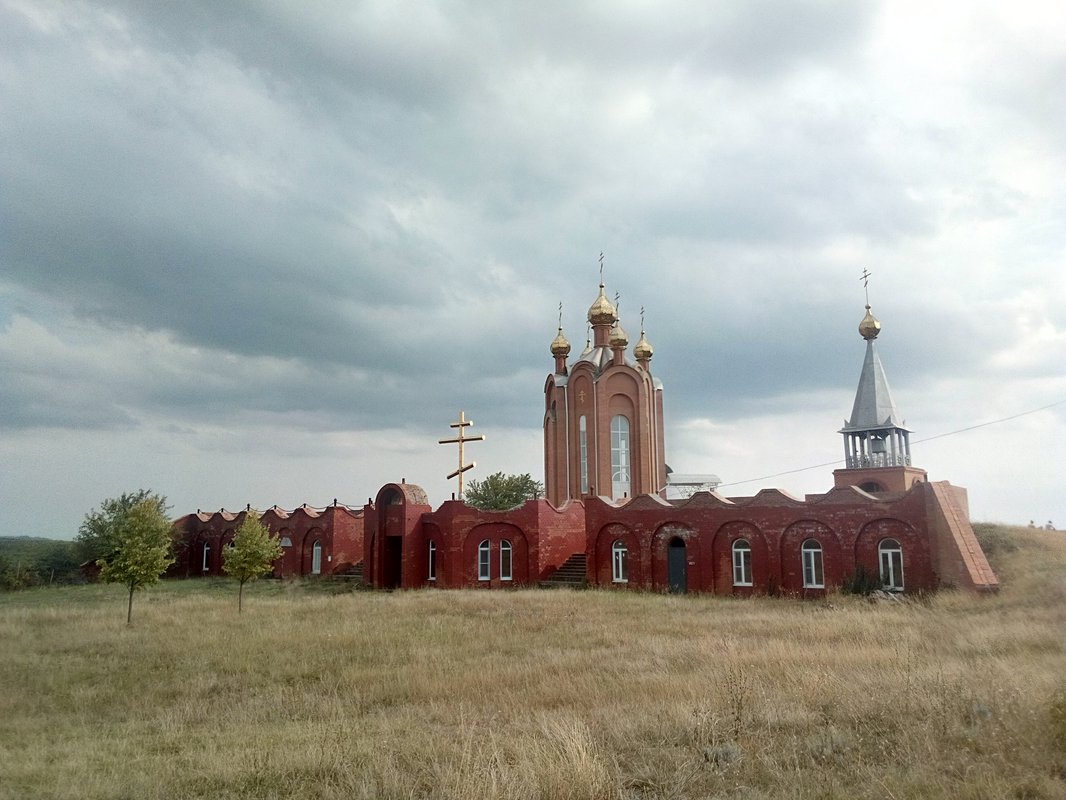
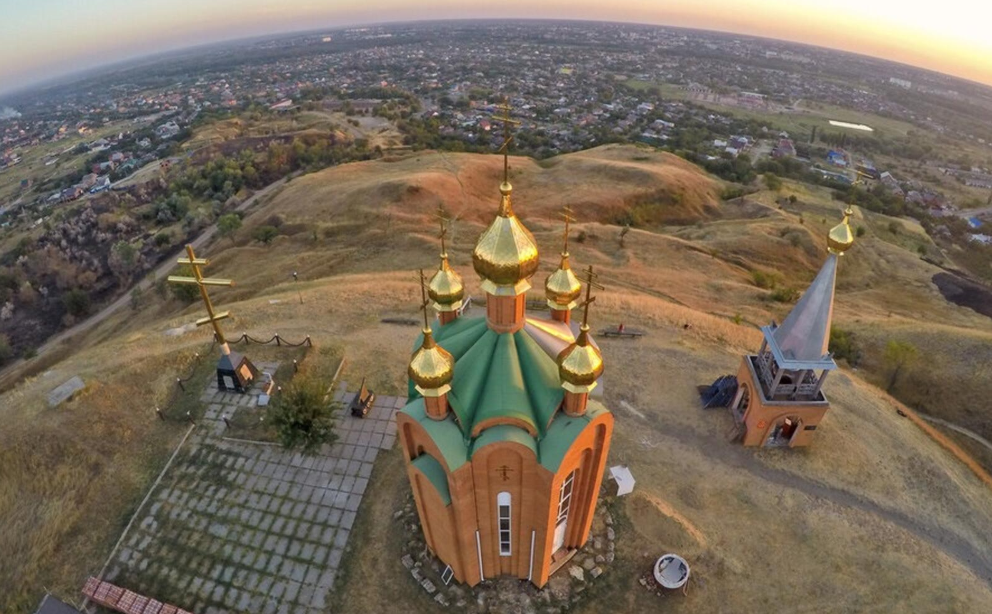
On the canonical territory of the Armavir diocese, which is part of the Krasnodar and Kuban Metropolitanate, there is a memorial complex 'Fortstadt'. It was from this place that in the 18th century, under the leadership of the great Russian commander Alexander Suvorov, the construction of the Caucasian fortified line began to protect the new frontiers of Russia. Here, on Strizhibkina Hill, a spiritual and educational ethnographic center with a museum and a lecture hall will soon appear. In addition, it is planned to reconstruct the worshiping cross and the chapel of the Holy Blessed Grand Duke Alexander Nevsky standing on the mountain, in which the faithful visitors of 'Fortstadt' offer prayers. Вид сверху на Стрижибкину гору The chairman of the commission for the canonization of saints of the Armavir diocese, Hieromonk Anthony (Malinsky), says that this place is associated with many names and important dates in Russian history. Near the 'Fortstadt' was the fortress Strong Okop, built in the 80s of the eighteenth century as one of the most important points of the Azov-Mazdok fortified line. Subsequently, the Decembrists were exiled here. Today the remains of the fortress are recognized as a historical monument of federal significance. - Pushkin and Lermontov passed through the fortress. In the hospital of the Durable The trench was operated on by the famous surgeon Pirogov, who used his own method of anesthesia here, - says Hieromonk Anthony. One of the oldest burials in the Kuban, as well as the remains of ceramics from the Meoto-Sarmatian era, were discovered near the Fortshtadt memorial. It was in Fortstadt, which was once a soldier's settlement, where the soldiers of the fortress garrison lived, that the Russian diplomat Viktor Mashkov was born, to whom Russia owes the establishment of diplomatic relations with Abyssinia (Ethiopia) in the 19th century. The exposition of the museum of the future spiritual and educational center will tell about all this and many other things. A veneration cross at the top of Stizhibkina Hill was installed in honor of the Lord God in 1994 by Cossack Ivanov and architect Nadezhda Samburova. Its installation was timed to coincide with the 300th anniversary of the beginning of the settlement of the Kuban by Cossacks and the 200th anniversary of the founding of the Fortress Prochny Okop. In fact, the construction of the Fortshtadt memorial began with this veneration cross, which now receives thousands of visitors every year. The Alexander Nevsky chapel was erected at the turn of the past and present centuries in honor and glory of the holy noble Prince Alexander Nevsky. Next year, 2021, the 800th anniversary of his birth will be celebrated, and the Fortstadt memorial is likely to become the center of the anniversary celebrations in the territory of the Armavir diocese.
A spiritual and educational center will be built in the Kuban next to the Fortstadt memorialA spiritual and educational center will be built in the Kuban next to the Fortstadt memorialOn the canonical territory of the Armavir diocese, which is part of the Krasnodar and Kuban Metropolitanate, there is a memorial complex 'Fortstadt'. It was from this place that in the 18th century, under the leadership of the great Russian commander Alexander Suvorov, the construction of the Caucasian fortified line began to protect the new frontiers of Russia. Here, on Strizhibkina Hill, a spiritual and educational ethnographic center with a museum and a lecture hall will soon appear. In addition, it is planned to reconstruct the worshiping cross and the chapel of the Holy Blessed Grand Duke Alexander Nevsky standing on the mountain, in which the faithful visitors of 'Fortstadt' offer prayers. Вид сверху на Стрижибкину гору The chairman of the commission for the canonization of saints of the Armavir diocese, Hieromonk Anthony (Malinsky), says that this place is associated with many names and important dates in Russian history. Near the 'Fortstadt' was the fortress Strong Okop, built in the 80s of the eighteenth century as one of the most important points of the Azov-Mazdok fortified line. Subsequently, the Decembrists were exiled here. Today the remains of the fortress are recognized as a historical monument of federal significance. - Pushkin and Lermontov passed through the fortress. In the hospital of the Durable The trench was operated on by the famous surgeon Pirogov, who used his own method of anesthesia here, - says Hieromonk Anthony. One of the oldest burials in the Kuban, as well as the remains of ceramics from the Meoto-Sarmatian era, were discovered near the Fortshtadt memorial. It was in Fortstadt, which was once a soldier's settlement, where the soldiers of the fortress garrison lived, that the Russian diplomat Viktor Mashkov was born, to whom Russia owes the establishment of diplomatic relations with Abyssinia (Ethiopia) in the 19th century. The exposition of the museum of the future spiritual and educational center will tell about all this and many other things. A veneration cross at the top of Stizhibkina Hill was installed in honor of the Lord God in 1994 by Cossack Ivanov and architect Nadezhda Samburova. Its installation was timed to coincide with the 300th anniversary of the beginning of the settlement of the Kuban by Cossacks and the 200th anniversary of the founding of the Fortress Prochny Okop. In fact, the construction of the Fortshtadt memorial began with this veneration cross, which now receives thousands of visitors every year. The Alexander Nevsky chapel was erected at the turn of the past and present centuries in honor and glory of the holy noble Prince Alexander Nevsky. Next year, 2021, the 800th anniversary of his birth will be celebrated, and the Fortstadt memorial is likely to become the center of the anniversary celebrations in the territory of the Armavir diocese.Свеча Иерусалима -en
On the canonical territory of the Armavir diocese, which is part of the Krasnodar and Kuban Metropolitanate, there is a memorial complex 'Fortstadt'. It was from this place that in the 18th century, under the leadership of the great Russian commander Alexander Suvorov, the construction of the Caucasian fortified line began to protect the new frontiers of Russia. Here, on Strizhibkina Hill, a spiritual and educational ethnographic center with a museum and a lecture hall will soon appear. In addition, it is planned to reconstruct the worshiping cross and the chapel of the Holy Blessed Grand Duke Alexander Nevsky standing on the mountain, in which the faithful visitors of 'Fortstadt' offer prayers. Вид сверху на Стрижибкину гору The chairman of the commission for the canonization of saints of the Armavir diocese, Hieromonk Anthony (Malinsky), says that this place is associated with many names and important dates in Russian history. Near the 'Fortstadt' was the fortress Strong Okop, built in the 80s of the eighteenth century as one of the most important points of the Azov-Mazdok fortified line. Subsequently, the Decembrists were exiled here. Today the remains of the fortress are recognized as a historical monument of federal significance. - Pushkin and Lermontov passed through the fortress. In the hospital of the Durable The trench was operated on by the famous surgeon Pirogov, who used his own method of anesthesia here, - says Hieromonk Anthony. One of the oldest burials in the Kuban, as well as the remains of ceramics from the Meoto-Sarmatian era, were discovered near the Fortshtadt memorial. It was in Fortstadt, which was once a soldier's settlement, where the soldiers of the fortress garrison lived, that the Russian diplomat Viktor Mashkov was born, to whom Russia owes the establishment of diplomatic relations with Abyssinia (Ethiopia) in the 19th century. The exposition of the museum of the future spiritual and educational center will tell about all this and many other things. A veneration cross at the top of Stizhibkina Hill was installed in honor of the Lord God in 1994 by Cossack Ivanov and architect Nadezhda Samburova. Its installation was timed to coincide with the 300th anniversary of the beginning of the settlement of the Kuban by Cossacks and the 200th anniversary of the founding of the Fortress Prochny Okop. In fact, the construction of the Fortshtadt memorial began with this veneration cross, which now receives thousands of visitors every year. The Alexander Nevsky chapel was erected at the turn of the past and present centuries in honor and glory of the holy noble Prince Alexander Nevsky. Next year, 2021, the 800th anniversary of his birth will be celebrated, and the Fortstadt memorial is likely to become the center of the anniversary celebrations in the territory of the Armavir diocese.