November 30 - Memorial Day of Saint and Wonderworker Gregory of Neocaesarea
27 November 2020
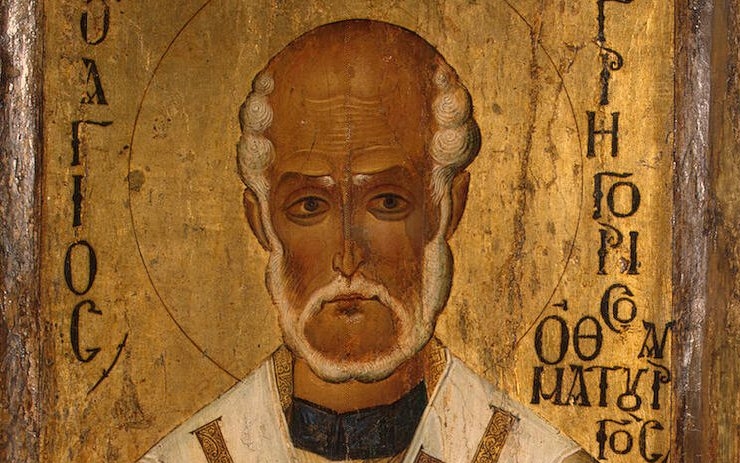
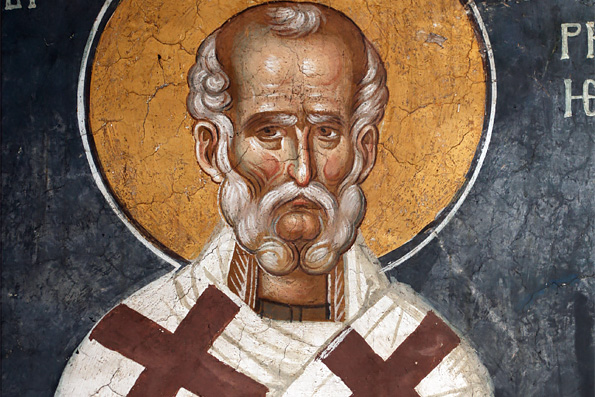
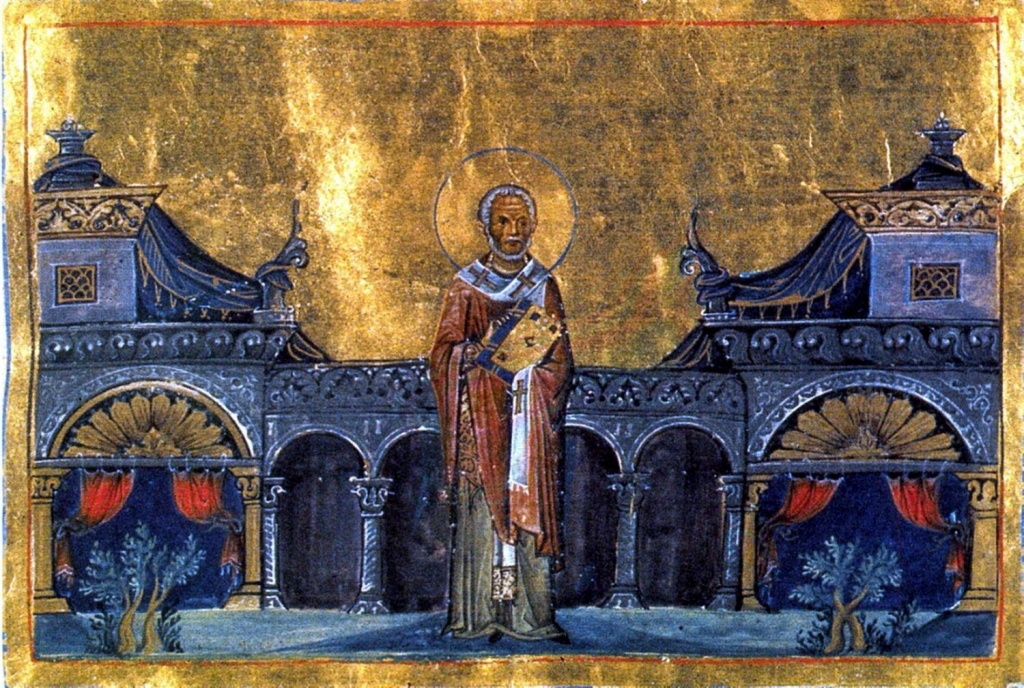
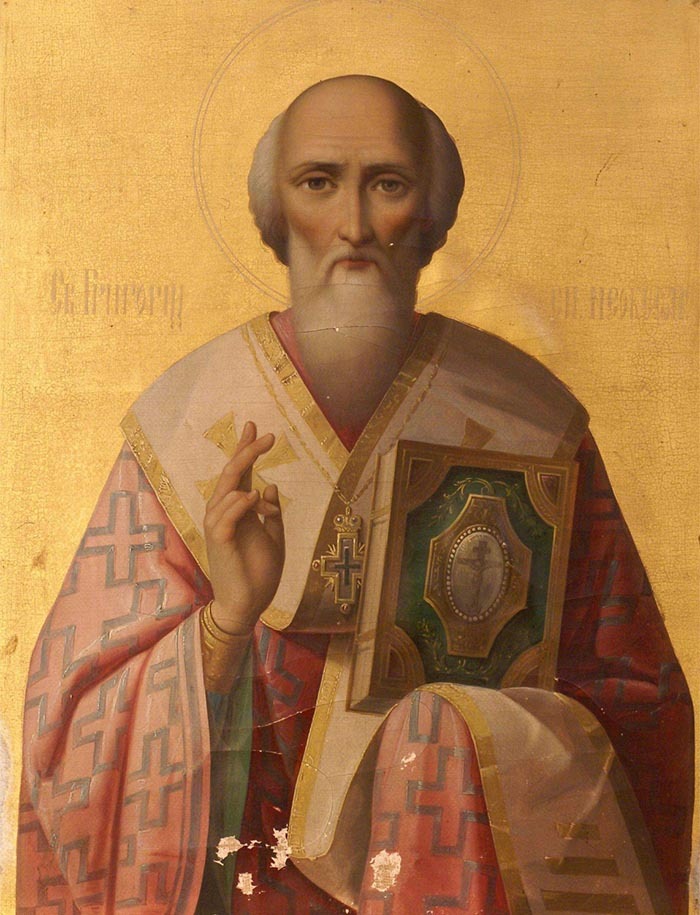
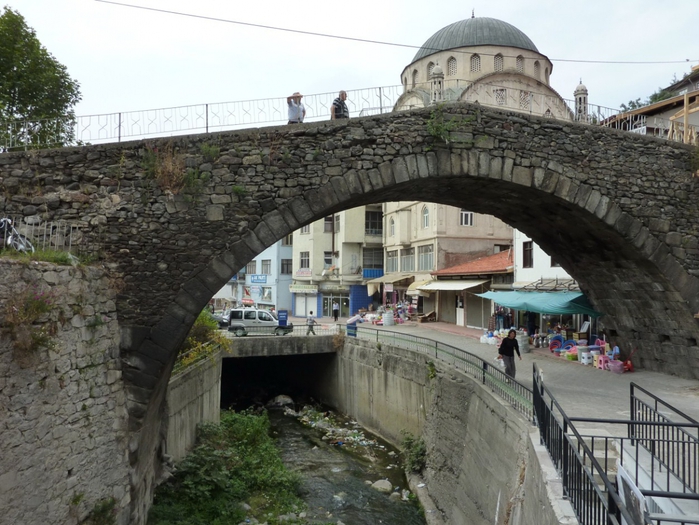
In the history of the ancient Church, there are many saints who grew up in a pagan environment, but later, by Divine Providence, turned to the true faith of Christ. One of these ascetics was Saint Gregory the Wonderworker, Bishop of Neocaesarea, who lived in the third century AD. He was born in the north of Asia Minor into a pagan family and received a brilliant education for ancient times. However, the works of ancient thinkers could not give him answers to the questions that worried him about the structure of the world and the purpose of man. Святитель Григорий Неокесарийский чудотворец From Neocaesarea, Gregory went to the Hellenistic center of world scholarship - Alexandria. Here he entered the catechism school, where the famous teacher, the presbyter Origen, taught. Subsequently, the saint will write about his teacher: 'That man received from God the greatest gift - to be a translator of the word of God to people, to understand the Word of God as God Himself used it, and to explain it to people as they can understand.' After studying for eight years, the young man received holy baptism from the hands of the presbyter. Saint Gregory led a pure, non-acquisitive life, in which he was supported by fervent faith in the Lord Jesus Christ. Seeing the blameless life of a young Christian, the Alexandrian pagans, out of envy, decided to slander him. Once, when Gregory was talking in the town square with the Alexandrian learned men, a dissolute woman approached him and demanded payment for the night allegedly spent with her. The young man objected that she, apparently, took him for someone else - but the harlot continued to insist on her way louder and louder. Then Gregory asked one of his comrades to give her the money she demanded. Taking the unrighteous bribe, the woman immediately fell to the ground and began to rave. Only when Saint Gregory made a forbidding prayer over her, the demon left her. Под святительстким омофором чудотворца григория Неокесария стала христианским городом When the young Christian returned to Neocaesarea with the knowledge acquired in Alexandria, in the eyes of his compatriots, including very influential ones, he became a desirable candidate for public service. Gregory was offered high positions, but he meekly renounced all activities in the world and announced that he wanted to retire into the desert, which he soon did. There, spending time in fasting, meditation and prayer, he reached spiritual heights and was marked by the Lord God with the grace-filled gifts of prophecy and clairvoyance. Saint Gregory wanted to lead a hermit life in the wilderness until the end of his days, but the Lord gave him a different fate. Икона Святителя Григория Неокесарийского чудотворца Having learned about the ascetic ascetic in the wilderness, Fedim, bishop of the city of Amasia, in Cappadocia, wished to elevate him to the dignity of the Neocaesarean bishop. Having foreseen this, the holy hermit began to hide from the people sent to him by the bishop. Then Fedim ordained him in absentia, having previously prayed to the Savior that He Himself performed such an unusual ordination. Having learned about this, the discerning saint of God did not dare to oppose what was pleasing to the Lord. Later, the rite of consecration was formally repeated over him by Bishop Redim of Amasia. But on the eve of this, another miracle happened. When Saint Gregory prayed before his consecration, asking the Lord and the Most Holy Theotokos to reveal to him the true image of the worship of the Holy Trinity, the Queen of Heaven herself appeared to him in a radiance similar to the sun. The Mother of God was accompanied by the holy Apostle and Evangelist John the Theologian in the hierarchical vestments. At the direction of the Blessed Virgin, the apostle told Gregory how to truly confess the mystery of the Holy Trinity, and he carefully wrote down the words of Christ's beloved disciple. The symbol of faith, written down by Saint Gregory of Neocaesarea, was later revealed by the Church Fathers - Basil the Great, Gregory the Theologian and Gregory of Nyssa, and the First Ecumenical Council in 325 reviewed this text and approved its enduring significance for the Christian Church. After the episcopal consecration performed over Gregory, he set off from Amasia to his native Neocaesarea. On the way, he convinced a former pagan priest to convert to Christianity and expelled demons from the sanctuary in which he had previously served. The new convert also witnessed another miracle performed by the saint of God: according to the word of Saint Gregory, a multi-ton stone block moved from place to place. Античная Неокесария в наше время Arriving at Neocaesarea, the saint daily celebrated divine services, preached, did many works of mercy: he healed the sick, helped the poor, wisely resolved disputes and gave answers to complaints. Once, two brothers, who were sharing the lands of their deceased father, could not come to an agreement about the lake located on their border. No one wanted to give in, each gathered supporters and armed them, preparing to resolve the dispute by force. Saint Gregory of Neocaesarea persuaded them to postpone the solution of the issue until the next morning, and he himself prayed all night on the shore of the lake, which became the cause of the strife. When dawn came, the brothers who came to the shore were amazed to see that the lake was no longer there: it completely went underground, and with it - and a reason for discord and bloodshed. Another time, the miracle worker Gregory stopped the flooding of the river by drawing the boundaries of the flood on the ground with a bishop's staff. At the beginning of the construction of the temple, the saint commanded the grief in the name of the Lord Jesus Christ to move aside, making room for laying the foundation - which immediately happened in front of the amazed people. Under the emperor Decius, whose three-year reign was marked by the renewed persecution of Christians, the saint gathered his flock and took them to a distant mountain. However, the pagans found out about their refuge, and one of them reported to the persecutors where the Christians were hiding. Seeing that the soldiers surrounded the mountain from all sides, Saint Gregory ascended to its top, raised his hands to Heaven and began to pray fervently. He ordered the deacon to do the same. Having searched the entire mountain, and more than once passing by the Christians gathered together, the soldiers did not notice anyone. Returning to their boss, they told that on the mountain there is no one and there is even nowhere to hide - only two lonely trees stand at the very top ... The pagan informer, shocked by what had happened, repented of his low deed - and soon he himself accepted the faith of Christ. Saint Gregory of Neocaesarea did a lot to establish the veneration of the saints and denounce heresies. By his decree, church holidays were established in memory of the martyrs who were killed for their faithfulness to the Lord Jesus Christ. At the first Council of Antioch, held in 264, presided over by a Neocaesarean saint, the heresy of a native of Syria, Paul of Samosata, was exposed, who perverted in his speeches and writings the essence of the true veneration of the Most Holy and Inseparable Trinity. Saint and miracle worker Gregory of Neocaesarea departed to the Lord God at the end of the 60s of the 3rd century. Tradition says that by that time, thanks to his archpastoral labors, only 17 pagans remained in Neocaesarea - whereas at the time he took the pulpit, there were only 17 Christians ... Perhaps this is just a beautiful numerical correspondence that the ancients loved so much - but the fact is the fact remains: under the holy omophorion of the wonderworker Gregory Neocaesarea actually became a Christian city. This happened about half a century before the faith of Christ under the emperor Constantine became official religion throughout the vast territory of the empire.
November 30 - Memorial Day of Saint and Wonderworker Gregory of NeocaesareaNovember 30 - Memorial Day of Saint and Wonderworker Gregory of Neocaesarea In the history of the ancient Church, there are many saints who grew up in a pagan environment, but later, by Divine Providence, turned to the true faith of Christ. One of these ascetics was Saint Gregory the Wonderworker, Bishop of Neocaesarea, who lived in the third century AD. He was born in the north of Asia Minor into a pagan family and received a brilliant education for ancient times. However, the works of ancient thinkers could not give him answers to the questions that worried him about the structure of the world and the purpose of man. Святитель Григорий Неокесарийский чудотворец From Neocaesarea, Gregory went to the Hellenistic center of world scholarship - Alexandria. Here he entered the catechism school, where the famous teacher, the presbyter Origen, taught. Subsequently, the saint will write about his teacher: 'That man received from God the greatest gift - to be a translator of the word of God to people, to understand the Word of God as God Himself used it, and to explain it to people as they can understand.' After studying for eight years, the young man received holy baptism from the hands of the presbyter. Saint Gregory led a pure, non-acquisitive life, in which he was supported by fervent faith in the Lord Jesus Christ. Seeing the blameless life of a young Christian, the Alexandrian pagans, out of envy, decided to slander him. Once, when Gregory was talking in the town square with the Alexandrian learned men, a dissolute woman approached him and demanded payment for the night allegedly spent with her. The young man objected that she, apparently, took him for someone else - but the harlot continued to insist on her way louder and louder. Then Gregory asked one of his comrades to give her the money she demanded. Taking the unrighteous bribe, the woman immediately fell to the ground and began to rave. Only when Saint Gregory made a forbidding prayer over her, the demon left her. Под святительстким омофором чудотворца григория Неокесария стала христианским городом When the young Christian returned to Neocaesarea with the knowledge acquired in Alexandria, in the eyes of his compatriots, including very influential ones, he became a desirable candidate for public service. Gregory was offered high positions, but he meekly renounced all activities in the world and announced that he wanted to retire into the desert, which he soon did. There, spending time in fasting, meditation and prayer, he reached spiritual heights and was marked by the Lord God with the grace-filled gifts of prophecy and clairvoyance. Saint Gregory wanted to lead a hermit life in the wilderness until the end of his days, but the Lord gave him a different fate. Икона Святителя Григория Неокесарийского чудотворца Having learned about the ascetic ascetic in the wilderness, Fedim, bishop of the city of Amasia, in Cappadocia, wished to elevate him to the dignity of the Neocaesarean bishop. Having foreseen this, the holy hermit began to hide from the people sent to him by the bishop. Then Fedim ordained him in absentia, having previously prayed to the Savior that He Himself performed such an unusual ordination. Having learned about this, the discerning saint of God did not dare to oppose what was pleasing to the Lord. Later, the rite of consecration was formally repeated over him by Bishop Redim of Amasia. But on the eve of this, another miracle happened. When Saint Gregory prayed before his consecration, asking the Lord and the Most Holy Theotokos to reveal to him the true image of the worship of the Holy Trinity, the Queen of Heaven herself appeared to him in a radiance similar to the sun. The Mother of God was accompanied by the holy Apostle and Evangelist John the Theologian in the hierarchical vestments. At the direction of the Blessed Virgin, the apostle told Gregory how to truly confess the mystery of the Holy Trinity, and he carefully wrote down the words of Christ's beloved disciple. The symbol of faith, written down by Saint Gregory of Neocaesarea, was later revealed by the Church Fathers - Basil the Great, Gregory the Theologian and Gregory of Nyssa, and the First Ecumenical Council in 325 reviewed this text and approved its enduring significance for the Christian Church. After the episcopal consecration performed over Gregory, he set off from Amasia to his native Neocaesarea. On the way, he convinced a former pagan priest to convert to Christianity and expelled demons from the sanctuary in which he had previously served. The new convert also witnessed another miracle performed by the saint of God: according to the word of Saint Gregory, a multi-ton stone block moved from place to place. Античная Неокесария в наше время Arriving at Neocaesarea, the saint daily celebrated divine services, preached, did many works of mercy: he healed the sick, helped the poor, wisely resolved disputes and gave answers to complaints. Once, two brothers, who were sharing the lands of their deceased father, could not come to an agreement about the lake located on their border. No one wanted to give in, each gathered supporters and armed them, preparing to resolve the dispute by force. Saint Gregory of Neocaesarea persuaded them to postpone the solution of the issue until the next morning, and he himself prayed all night on the shore of the lake, which became the cause of the strife. When dawn came, the brothers who came to the shore were amazed to see that the lake was no longer there: it completely went underground, and with it - and a reason for discord and bloodshed. Another time, the miracle worker Gregory stopped the flooding of the river by drawing the boundaries of the flood on the ground with a bishop's staff. At the beginning of the construction of the temple, the saint commanded the grief in the name of the Lord Jesus Christ to move aside, making room for laying the foundation - which immediately happened in front of the amazed people. Under the emperor Decius, whose three-year reign was marked by the renewed persecution of Christians, the saint gathered his flock and took them to a distant mountain. However, the pagans found out about their refuge, and one of them reported to the persecutors where the Christians were hiding. Seeing that the soldiers surrounded the mountain from all sides, Saint Gregory ascended to its top, raised his hands to Heaven and began to pray fervently. He ordered the deacon to do the same. Having searched the entire mountain, and more than once passing by the Christians gathered together, the soldiers did not notice anyone. Returning to their boss, they told that on the mountain there is no one and there is even nowhere to hide - only two lonely trees stand at the very top ... The pagan informer, shocked by what had happened, repented of his low deed - and soon he himself accepted the faith of Christ. Saint Gregory of Neocaesarea did a lot to establish the veneration of the saints and denounce heresies. By his decree, church holidays were established in memory of the martyrs who were killed for their faithfulness to the Lord Jesus Christ. At the first Council of Antioch, held in 264, presided over by a Neocaesarean saint, the heresy of a native of Syria, Paul of Samosata, was exposed, who perverted in his speeches and writings the essence of the true veneration of the Most Holy and Inseparable Trinity. Saint and miracle worker Gregory of Neocaesarea departed to the Lord God at the end of the 60s of the 3rd century. Tradition says that by that time, thanks to his archpastoral labors, only 17 pagans remained in Neocaesarea - whereas at the time he took the pulpit, there were only 17 Christians ... Perhaps this is just a beautiful numerical correspondence that the ancients loved so much - but the fact is the fact remains: under the holy omophorion of the wonderworker Gregory Neocaesarea actually became a Christian city. This happened about half a century before the faith of Christ under the emperor Constantine became official religion throughout the vast territory of the empire.Свеча Иерусалима -en
In the history of the ancient Church, there are many saints who grew up in a pagan environment, but later, by Divine Providence, turned to the true faith of Christ. One of these ascetics was Saint Gregory the Wonderworker, Bishop of Neocaesarea, who lived in the third century AD. He was born in the north of Asia Minor into a pagan family and received a brilliant education for ancient times. However, the works of ancient thinkers could not give him answers to the questions that worried him about the structure of the world and the purpose of man. Святитель Григорий Неокесарийский чудотворец From Neocaesarea, Gregory went to the Hellenistic center of world scholarship - Alexandria. Here he entered the catechism school, where the famous teacher, the presbyter Origen, taught. Subsequently, the saint will write about his teacher: 'That man received from God the greatest gift - to be a translator of the word of God to people, to understand the Word of God as God Himself used it, and to explain it to people as they can understand.' After studying for eight years, the young man received holy baptism from the hands of the presbyter. Saint Gregory led a pure, non-acquisitive life, in which he was supported by fervent faith in the Lord Jesus Christ. Seeing the blameless life of a young Christian, the Alexandrian pagans, out of envy, decided to slander him. Once, when Gregory was talking in the town square with the Alexandrian learned men, a dissolute woman approached him and demanded payment for the night allegedly spent with her. The young man objected that she, apparently, took him for someone else - but the harlot continued to insist on her way louder and louder. Then Gregory asked one of his comrades to give her the money she demanded. Taking the unrighteous bribe, the woman immediately fell to the ground and began to rave. Only when Saint Gregory made a forbidding prayer over her, the demon left her. Под святительстким омофором чудотворца григория Неокесария стала христианским городом When the young Christian returned to Neocaesarea with the knowledge acquired in Alexandria, in the eyes of his compatriots, including very influential ones, he became a desirable candidate for public service. Gregory was offered high positions, but he meekly renounced all activities in the world and announced that he wanted to retire into the desert, which he soon did. There, spending time in fasting, meditation and prayer, he reached spiritual heights and was marked by the Lord God with the grace-filled gifts of prophecy and clairvoyance. Saint Gregory wanted to lead a hermit life in the wilderness until the end of his days, but the Lord gave him a different fate. Икона Святителя Григория Неокесарийского чудотворца Having learned about the ascetic ascetic in the wilderness, Fedim, bishop of the city of Amasia, in Cappadocia, wished to elevate him to the dignity of the Neocaesarean bishop. Having foreseen this, the holy hermit began to hide from the people sent to him by the bishop. Then Fedim ordained him in absentia, having previously prayed to the Savior that He Himself performed such an unusual ordination. Having learned about this, the discerning saint of God did not dare to oppose what was pleasing to the Lord. Later, the rite of consecration was formally repeated over him by Bishop Redim of Amasia. But on the eve of this, another miracle happened. When Saint Gregory prayed before his consecration, asking the Lord and the Most Holy Theotokos to reveal to him the true image of the worship of the Holy Trinity, the Queen of Heaven herself appeared to him in a radiance similar to the sun. The Mother of God was accompanied by the holy Apostle and Evangelist John the Theologian in the hierarchical vestments. At the direction of the Blessed Virgin, the apostle told Gregory how to truly confess the mystery of the Holy Trinity, and he carefully wrote down the words of Christ's beloved disciple. The symbol of faith, written down by Saint Gregory of Neocaesarea, was later revealed by the Church Fathers - Basil the Great, Gregory the Theologian and Gregory of Nyssa, and the First Ecumenical Council in 325 reviewed this text and approved its enduring significance for the Christian Church. After the episcopal consecration performed over Gregory, he set off from Amasia to his native Neocaesarea. On the way, he convinced a former pagan priest to convert to Christianity and expelled demons from the sanctuary in which he had previously served. The new convert also witnessed another miracle performed by the saint of God: according to the word of Saint Gregory, a multi-ton stone block moved from place to place. Античная Неокесария в наше время Arriving at Neocaesarea, the saint daily celebrated divine services, preached, did many works of mercy: he healed the sick, helped the poor, wisely resolved disputes and gave answers to complaints. Once, two brothers, who were sharing the lands of their deceased father, could not come to an agreement about the lake located on their border. No one wanted to give in, each gathered supporters and armed them, preparing to resolve the dispute by force. Saint Gregory of Neocaesarea persuaded them to postpone the solution of the issue until the next morning, and he himself prayed all night on the shore of the lake, which became the cause of the strife. When dawn came, the brothers who came to the shore were amazed to see that the lake was no longer there: it completely went underground, and with it - and a reason for discord and bloodshed. Another time, the miracle worker Gregory stopped the flooding of the river by drawing the boundaries of the flood on the ground with a bishop's staff. At the beginning of the construction of the temple, the saint commanded the grief in the name of the Lord Jesus Christ to move aside, making room for laying the foundation - which immediately happened in front of the amazed people. Under the emperor Decius, whose three-year reign was marked by the renewed persecution of Christians, the saint gathered his flock and took them to a distant mountain. However, the pagans found out about their refuge, and one of them reported to the persecutors where the Christians were hiding. Seeing that the soldiers surrounded the mountain from all sides, Saint Gregory ascended to its top, raised his hands to Heaven and began to pray fervently. He ordered the deacon to do the same. Having searched the entire mountain, and more than once passing by the Christians gathered together, the soldiers did not notice anyone. Returning to their boss, they told that on the mountain there is no one and there is even nowhere to hide - only two lonely trees stand at the very top ... The pagan informer, shocked by what had happened, repented of his low deed - and soon he himself accepted the faith of Christ. Saint Gregory of Neocaesarea did a lot to establish the veneration of the saints and denounce heresies. By his decree, church holidays were established in memory of the martyrs who were killed for their faithfulness to the Lord Jesus Christ. At the first Council of Antioch, held in 264, presided over by a Neocaesarean saint, the heresy of a native of Syria, Paul of Samosata, was exposed, who perverted in his speeches and writings the essence of the true veneration of the Most Holy and Inseparable Trinity. Saint and miracle worker Gregory of Neocaesarea departed to the Lord God at the end of the 60s of the 3rd century. Tradition says that by that time, thanks to his archpastoral labors, only 17 pagans remained in Neocaesarea - whereas at the time he took the pulpit, there were only 17 Christians ... Perhaps this is just a beautiful numerical correspondence that the ancients loved so much - but the fact is the fact remains: under the holy omophorion of the wonderworker Gregory Neocaesarea actually became a Christian city. This happened about half a century before the faith of Christ under the emperor Constantine became official religion throughout the vast territory of the empire.