'Kazan Summer': the day of finding the miraculous Kazan Icon of the Mother of God
21 July 2020
On November 4, when Russia celebrates National Unity Day, the Church commemorates the liberation of Moscow from the Polish interventionists through prayers in front of the miraculous Kazan icon of the Mother of God - this day is popularly called 'Kazan Autumn'. And on July 21, believers celebrate 'Kazan Summer' - the day of the miraculous acquisition of one of the most revered images of the Queen of Heaven in Russia.
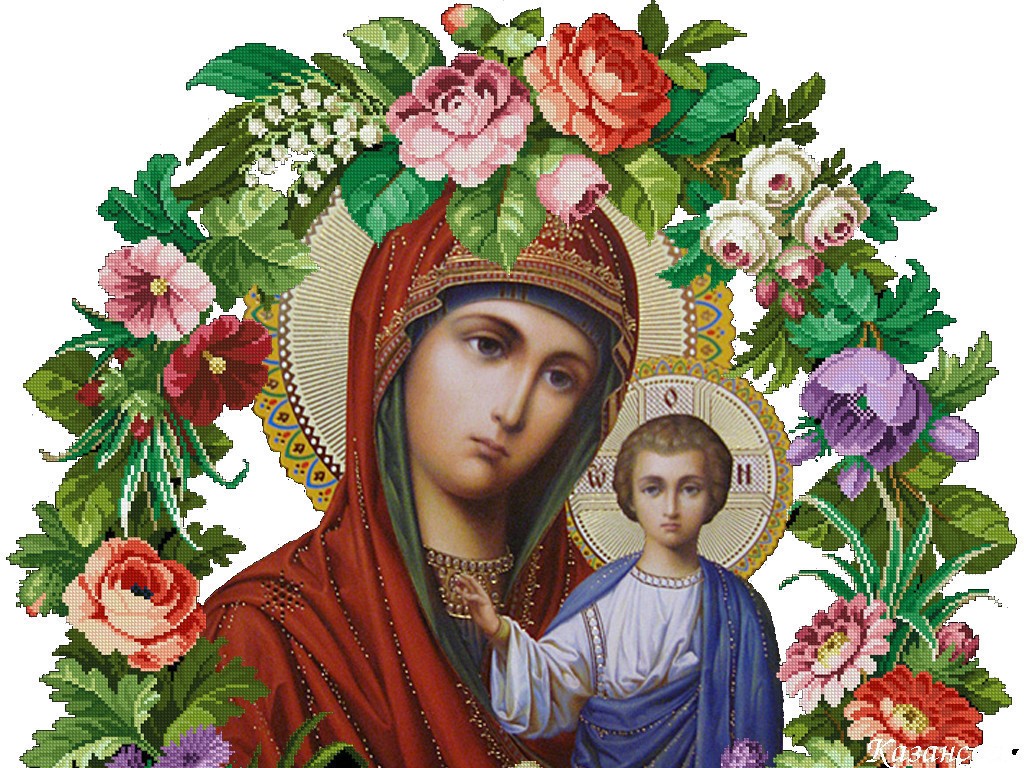
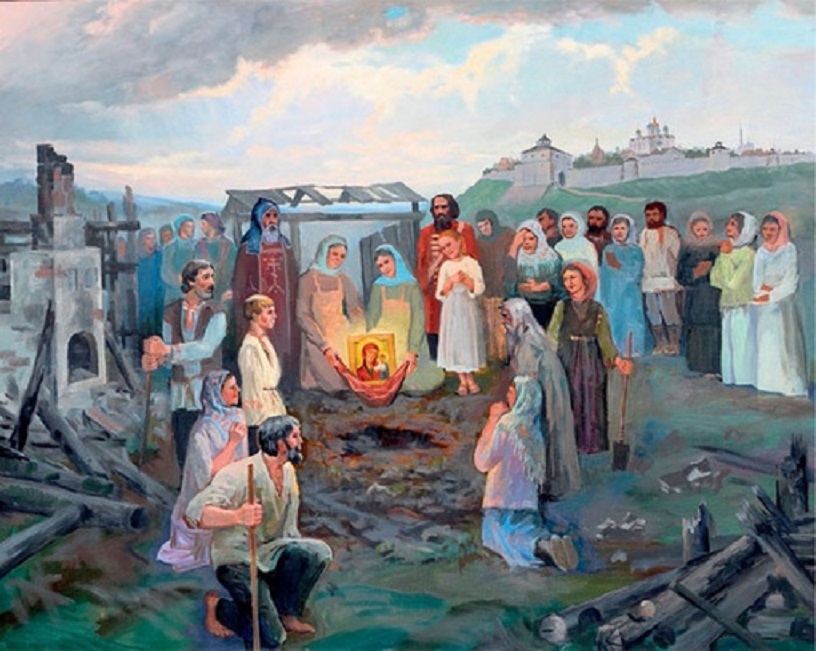
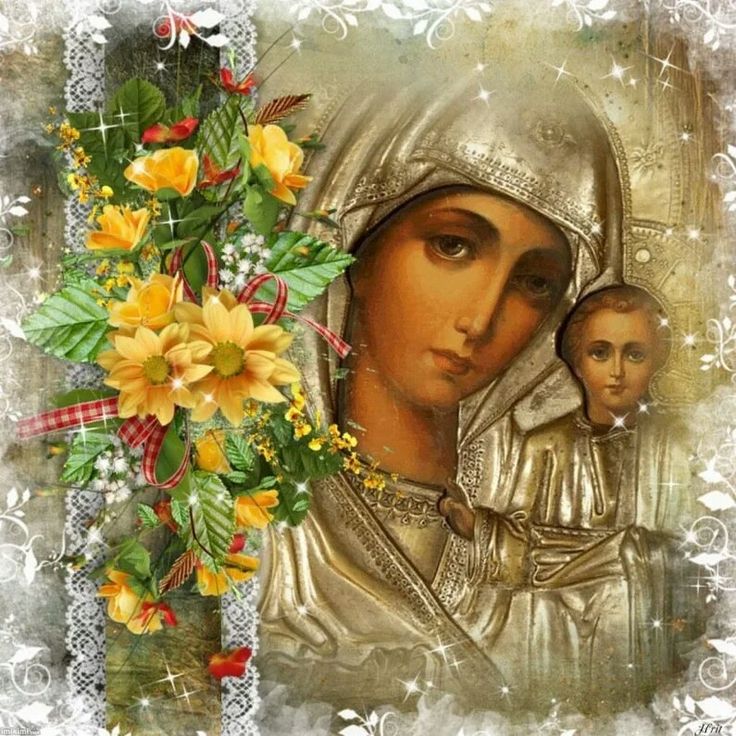
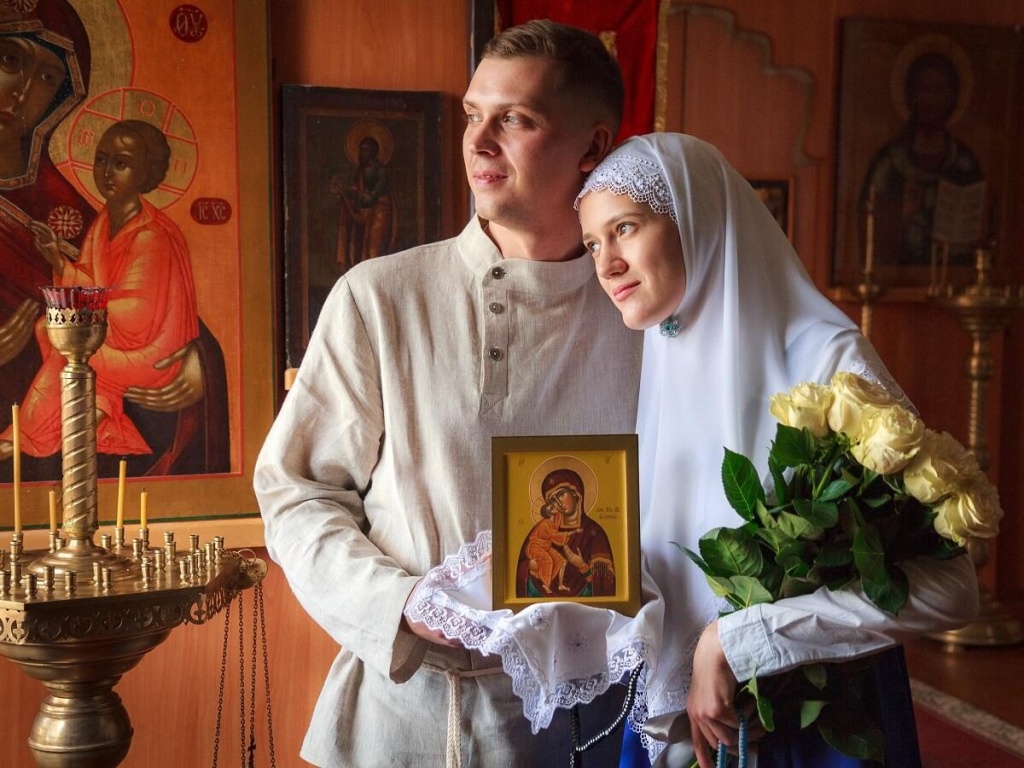
Обретение Казанской иконы Божией Матери Tradition tells that in 1579, shortly after the capture of Kazan by the Russian troops, the nine-year-old Matrona, daughter of the archer Danila Onuchin, appeared in a dream the Most Holy Theotokos. She pointed to the place where Her icon should be dug out of the ground. The girl told the adults about this, but at first they did not attach any importance to the child's story. When the Lady appeared to Matrona for the second and third time, they finally believed her words - and went to the indicated place. There, on the ashes of a house destroyed by a fire, an icon of the Mother of God, written on a cypress board, was removed from the ground. The Mother of God was depicted on her up to her waist, holding on her left hand the Infant God - Jesus Christ, at whom She, slightly bowing her head, looks with love. Fresco in the church 'src =' / upload / medialibrary / 876 / 8766ca6ac3855c720516158b3635dd08.jpg 'height =' 263 'title =' Transfer of the Kazan icon. The fresco in the church 'align =' left '> The circumstances of the miraculous acquisition of the icon, which received the name of Kazan, have come down to us in the description of the priest Hermogenes, later - the second Russian patriarch and martyr. At the place where the icon was found, which eventually became one of the most revered in Russia , by the decree of the conqueror of the Kazan Khanate - Tsar Ivan IV - a women's monastery was founded. Very quickly, believers who came to worship the newly-minted icon noticed that through prayers in front of her people were healed of diseases (most often - from eye diseases, and even from complete blindness), avoiding difficult life circumstances - in addition, there were many cases of salvation during direct threat to life. The glory of the Kazan icon quickly spread throughout the vast Russian kingdom, which led to the appearance of numerous copies of the holy image. Many of them also became famous for the miraculous help that came from them. Казанская - одна из самых почитаемых в Росии Богородичных икон, известная во множестве списков Most Honored Lists of this icon of the Mother of God were in the Kazan cathedrals in Moscow and St. Petersburg. Church historians disagree about the transfer of the original of the Kazan icon to Moscow: some believe that Patriarch Hermogenes brought it to the Mother See, others that Prince Dimitri Pozharsky, who led the militia to the capital occupied by the Poles in 1612. The appearance of the Kazan icon in this city is associated with the transfer of the capital of Russia to St. Petersburg. It is believed that Tsarina Paraskeva Feodorovna brought the miraculous image of the Lady to the new capital city from Moscow in 1710. Казанской иконой Божией Матери часто благословляют на семейную жизнь новобрачных The list that remained in Kazan, in the cathedral church of the Assumption of the Mother of God of the Kazan women's monastery, became famous for the miraculous help to people. It was he, as Yuri Ruban, Candidate of Historical Sciences, recalls, who was kidnapped by the blasphemers in 1904, after which further traces of him are lost. In the last years of the last century, it was assumed that the original of the Kazan Icon of the Most Holy Theotokos was kept in the Vatican. But even before the return of this relic to the capital of Russia, we managed to find out that this is a list, and quite late: like the icon located in St. Petersburg, it dates from the beginning of the 18th century ... Neither the original itself, nor a single copy of the Kazan icon, made in the 16th century, has yet been found.
'Kazan Summer': the day of finding the miraculous Kazan Icon of the Mother of God'Kazan Summer': the day of finding the miraculous Kazan Icon of the Mother of God On November 4, when Russia celebrates National Unity Day, the Church commemorates the liberation of Moscow from the Polish interventionists through prayers in front of the miraculous Kazan icon of the Mother of God - this day is popularly called 'Kazan Autumn'. And on July 21, believers celebrate 'Kazan Summer' - the day of the miraculous acquisition of one of the most revered images of the Queen of Heaven in Russia. Обретение Казанской иконы Божией Матери Tradition tells that in 1579, shortly after the capture of Kazan by the Russian troops, the nine-year-old Matrona, daughter of the archer Danila Onuchin, appeared in a dream the Most Holy Theotokos. She pointed to the place where Her icon should be dug out of the ground. The girl told the adults about this, but at first they did not attach any importance to the child's story. When the Lady appeared to Matrona for the second and third time, they finally believed her words - and went to the indicated place. There, on the ashes of a house destroyed by a fire, an icon of the Mother of God, written on a cypress board, was removed from the ground. The Mother of God was depicted on her up to her waist, holding on her left hand the Infant God - Jesus Christ, at whom She, slightly bowing her head, looks with love. Fresco in the church 'src =' / upload / medialibrary / 876 / 8766ca6ac3855c720516158b3635dd08.jpg 'height =' 263 'title =' Transfer of the Kazan icon. The fresco in the church 'align =' left '> The circumstances of the miraculous acquisition of the icon, which received the name of Kazan, have come down to us in the description of the priest Hermogenes, later - the second Russian patriarch and martyr. At the place where the icon was found, which eventually became one of the most revered in Russia , by the decree of the conqueror of the Kazan Khanate - Tsar Ivan IV - a women's monastery was founded. Very quickly, believers who came to worship the newly-minted icon noticed that through prayers in front of her people were healed of diseases (most often - from eye diseases, and even from complete blindness), avoiding difficult life circumstances - in addition, there were many cases of salvation during direct threat to life. The glory of the Kazan icon quickly spread throughout the vast Russian kingdom, which led to the appearance of numerous copies of the holy image. Many of them also became famous for the miraculous help that came from them. Казанская - одна из самых почитаемых в Росии Богородичных икон, известная во множестве списков Most Honored Lists of this icon of the Mother of God were in the Kazan cathedrals in Moscow and St. Petersburg. Church historians disagree about the transfer of the original of the Kazan icon to Moscow: some believe that Patriarch Hermogenes brought it to the Mother See, others that Prince Dimitri Pozharsky, who led the militia to the capital occupied by the Poles in 1612. The appearance of the Kazan icon in this city is associated with the transfer of the capital of Russia to St. Petersburg. It is believed that Tsarina Paraskeva Feodorovna brought the miraculous image of the Lady to the new capital city from Moscow in 1710. Казанской иконой Божией Матери часто благословляют на семейную жизнь новобрачных The list that remained in Kazan, in the cathedral church of the Assumption of the Mother of God of the Kazan women's monastery, became famous for the miraculous help to people. It was he, as Yuri Ruban, Candidate of Historical Sciences, recalls, who was kidnapped by the blasphemers in 1904, after which further traces of him are lost. In the last years of the last century, it was assumed that the original of the Kazan Icon of the Most Holy Theotokos was kept in the Vatican. But even before the return of this relic to the capital of Russia, we managed to find out that this is a list, and quite late: like the icon located in St. Petersburg, it dates from the beginning of the 18th century ... Neither the original itself, nor a single copy of the Kazan icon, made in the 16th century, has yet been found.Свеча Иерусалима -en
On November 4, when Russia celebrates National Unity Day, the Church commemorates the liberation of Moscow from the Polish interventionists through prayers in front of the miraculous Kazan icon of the Mother of God - this day is popularly called 'Kazan Autumn'. And on July 21, believers celebrate 'Kazan Summer' - the day of the miraculous acquisition of one of the most revered images of the Queen of Heaven in Russia. Обретение Казанской иконы Божией Матери Tradition tells that in 1579, shortly after the capture of Kazan by the Russian troops, the nine-year-old Matrona, daughter of the archer Danila Onuchin, appeared in a dream the Most Holy Theotokos. She pointed to the place where Her icon should be dug out of the ground. The girl told the adults about this, but at first they did not attach any importance to the child's story. When the Lady appeared to Matrona for the second and third time, they finally believed her words - and went to the indicated place. There, on the ashes of a house destroyed by a fire, an icon of the Mother of God, written on a cypress board, was removed from the ground. The Mother of God was depicted on her up to her waist, holding on her left hand the Infant God - Jesus Christ, at whom She, slightly bowing her head, looks with love. Fresco in the church 'src =' / upload / medialibrary / 876 / 8766ca6ac3855c720516158b3635dd08.jpg 'height =' 263 'title =' Transfer of the Kazan icon. The fresco in the church 'align =' left '> The circumstances of the miraculous acquisition of the icon, which received the name of Kazan, have come down to us in the description of the priest Hermogenes, later - the second Russian patriarch and martyr. At the place where the icon was found, which eventually became one of the most revered in Russia , by the decree of the conqueror of the Kazan Khanate - Tsar Ivan IV - a women's monastery was founded. Very quickly, believers who came to worship the newly-minted icon noticed that through prayers in front of her people were healed of diseases (most often - from eye diseases, and even from complete blindness), avoiding difficult life circumstances - in addition, there were many cases of salvation during direct threat to life. The glory of the Kazan icon quickly spread throughout the vast Russian kingdom, which led to the appearance of numerous copies of the holy image. Many of them also became famous for the miraculous help that came from them. Казанская - одна из самых почитаемых в Росии Богородичных икон, известная во множестве списков Most Honored Lists of this icon of the Mother of God were in the Kazan cathedrals in Moscow and St. Petersburg. Church historians disagree about the transfer of the original of the Kazan icon to Moscow: some believe that Patriarch Hermogenes brought it to the Mother See, others that Prince Dimitri Pozharsky, who led the militia to the capital occupied by the Poles in 1612. The appearance of the Kazan icon in this city is associated with the transfer of the capital of Russia to St. Petersburg. It is believed that Tsarina Paraskeva Feodorovna brought the miraculous image of the Lady to the new capital city from Moscow in 1710. Казанской иконой Божией Матери часто благословляют на семейную жизнь новобрачных The list that remained in Kazan, in the cathedral church of the Assumption of the Mother of God of the Kazan women's monastery, became famous for the miraculous help to people. It was he, as Yuri Ruban, Candidate of Historical Sciences, recalls, who was kidnapped by the blasphemers in 1904, after which further traces of him are lost. In the last years of the last century, it was assumed that the original of the Kazan Icon of the Most Holy Theotokos was kept in the Vatican. But even before the return of this relic to the capital of Russia, we managed to find out that this is a list, and quite late: like the icon located in St. Petersburg, it dates from the beginning of the 18th century ... Neither the original itself, nor a single copy of the Kazan icon, made in the 16th century, has yet been found.