
Church of Greece: coronavirus cannot be transmitted with Holy Communion

Элладская Церковь: коронавирус не может передаваться со святым Причастием

An emergency meeting of the Holy Synod of the Greek Orthodox Church was held in Athens on the coronavirus pandemic. Its participants adopted a general statement, which, in particular, notes: “The parishioners who attend liturgies and conduct communication through the common Chalice of Life definitely cannot contract diseases. (…) Believers of all ages know that coming to Divine Communion even in the midst of a pandemic is, on the one hand, a factual confirmation of self-denial to the Living God, and on the other, a huge manifestation of love. '
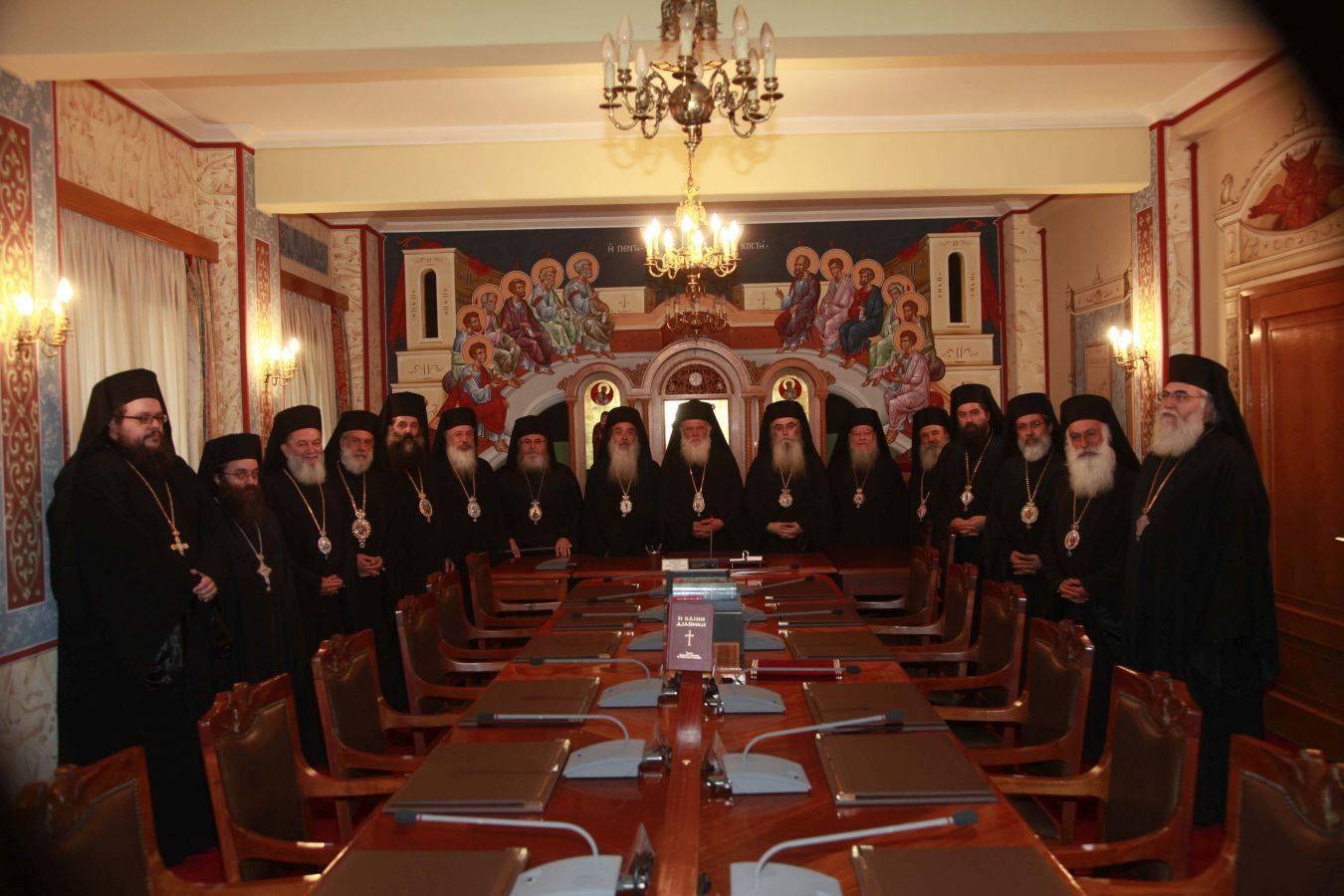
The Holy Synod of the Church of Greece, without condemning anyone for fear and anxiety, calls on believers to pray for those infected with coronavirus, as well as to take all possible measures to prevent the further spread of the disease: wash hands more often with soap, ventilate the premises and regularly wet them. ... For those who have already shown symptoms of the disease, as well as people with weakened health, it is better not to temporarily visit crowded places, and if possible, to refrain from leaving the house altogether, to be especially attentive to the requirements of hygiene, and also not to “hug and kiss, in order to protect the health of yours and your brothers. '

In the near future, the Synod of the Greek Orthodox Church will issue and distribute to parishes a brochure with practical recommendations, which it advises to adhere to in connection with the spread of the virus. It is no less important during a pandemic to cast aside despondency and fears - after all, as the book of the prophet Ezekiel testifies, the Lord God “does not want the death of a sinner, but that he should be converted and live” (Ezek. 33:11).

Share:
Church of Greece: coronavirus cannot be transmitted with Holy Communion Church of Greece: coronavirus cannot be transmitted with Holy Communion An emergency meeting of the Holy Synod of the Greek Orthodox Church was held in Athens on the coronavirus pandemic. Its participants adopted a general statement, which, in particular, notes: “The parishioners who attend liturgies and conduct communication through the common Chalice of Life definitely cannot contract diseases. (…) Believers of all ages know that coming to Divine Communion even in the midst of a pandemic is, on the one hand, a factual confirmation of self-denial to the Living God, and on the other, a huge manifestation of love. ' The Holy Synod of the Church of Greece, without condemning anyone for fear and anxiety, calls on believers to pray for those infected with coronavirus, as well as to take all possible measures to prevent the further spread of the disease: wash hands more often with soap, ventilate the premises and regularly wet them. ... For those who have already shown symptoms of the disease, as well as people with weakened health, it is better not to temporarily visit crowded places, and if possible, to refrain from leaving the house altogether, to be especially attentive to the requirements of hygiene, and also not to “hug and kiss, in order to protect the health of yours and your brothers. ' In the near future, the Synod of the Greek Orthodox Church will issue and distribute to parishes a brochure with practical recommendations, which it advises to adhere to in connection with the spread of the virus. It is no less important during a pandemic to cast aside despondency and fears - after all, as the book of the prophet Ezekiel testifies, the Lord God “does not want the death of a sinner, but that he should be converted and live” (Ezek. 33:11).
An emergency meeting of the Holy Synod of the Greek Orthodox Church was held in Athens on the coronavirus pandemic. Its participants adopted a general statement, which, in particular, notes: “The parishioners who attend liturgies and conduct communication through the common Chalice of Life definitely cannot contract diseases. (…) Believers of all ages know that coming to Divine Communion even in the midst of a pandemic is, on the one hand, a factual confirmation of self-denial to the Living God, and on the other, a huge manifestation of love. ' The Holy Synod of the Church of Greece, without condemning anyone for fear and anxiety, calls on believers to pray for those infected with coronavirus, as well as to take all possible measures to prevent the further spread of the disease: wash hands more often with soap, ventilate the premises and regularly wet them. ... For those who have already shown symptoms of the disease, as well as people with weakened health, it is better not to temporarily visit crowded places, and if possible, to refrain from leaving the house altogether, to be especially attentive to the requirements of hygiene, and also not to “hug and kiss, in order to protect the health of yours and your brothers. ' In the near future, the Synod of the Greek Orthodox Church will issue and distribute to parishes a brochure with practical recommendations, which it advises to adhere to in connection with the spread of the virus. It is no less important during a pandemic to cast aside despondency and fears - after all, as the book of the prophet Ezekiel testifies, the Lord God “does not want the death of a sinner, but that he should be converted and live” (Ezek. 33:11).