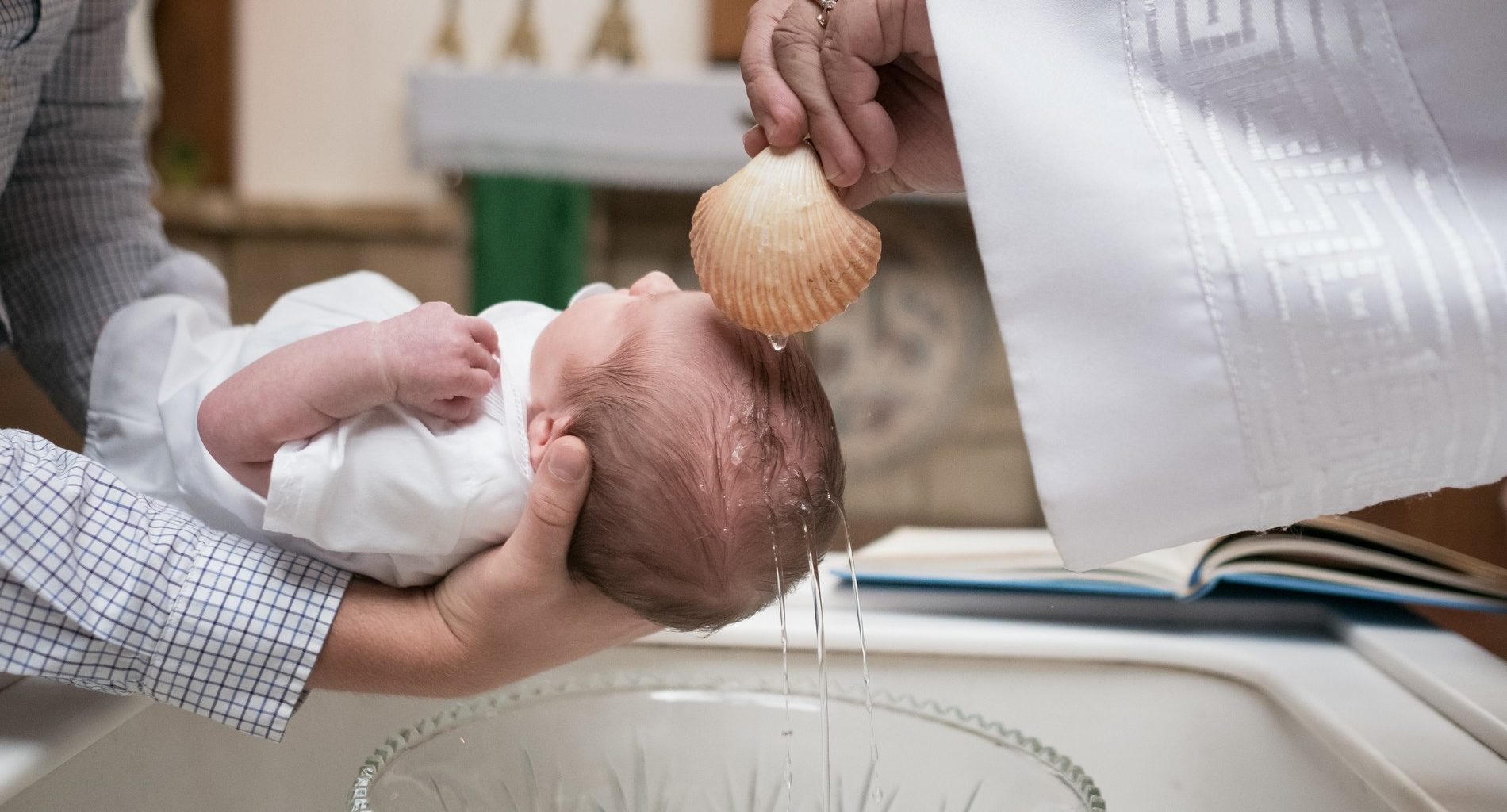
In Orthodoxy, it is believed that the sacrament of baptism is a second, spiritual birth. In the course of the sacrament, a person becomes a Christian, is washed from original sin, and an adult also from all sins committed by him before the ceremony. During baptism, the believer 'receives' a guardian angel, becomes a member of the Orthodox Church and can take the sacrament, confess, and get married.
In the Holy Scriptures, about when children are baptized, it is said that it is worth going through the ceremony at a conscious age - in an adult, and not in a child. For example, Jesus Christ was baptized when he was 30 years old. Therefore, in the Orthodox Church there are no strict rules indicating when a baby can be baptized. The period from 40 days from the birth of a baby to a year is considered traditional for the ceremony. When a newborn is baptized, the decision is made by the parents themselves. There is no age limit for how many years children are baptized.
The Orthodox Church allows the sacrament to be performed on any day of the year, therefore each family has the right to independently decide when it is best to baptize a child. Many parents try not to choose large church holidays for baptism, since churches are usually crowded on these days. According to popular belief, Tuesday, Thursday, Saturday, Sunday are considered auspicious days for the baptism of a child. The last two days are considered the most comfortable. Church services on weekends in some temples are shorter, so the priest will have more time to perform the ordinance.
In Orthodoxy, there are no rules as to what time of the year when a child can be baptized. Usually the weather in the yard is taken into account. Often believers refuse to organize the sacrament in cold weather, believing that during the ceremony the baby is immersed in cold water, because he can freeze and get sick. However, this is not entirely true. The water in the font is warm, and the sacrament itself is not organized on the street, but in a heated church.