An artifact from the Czech Republic may be a nail from the True Cross
25 December 2020
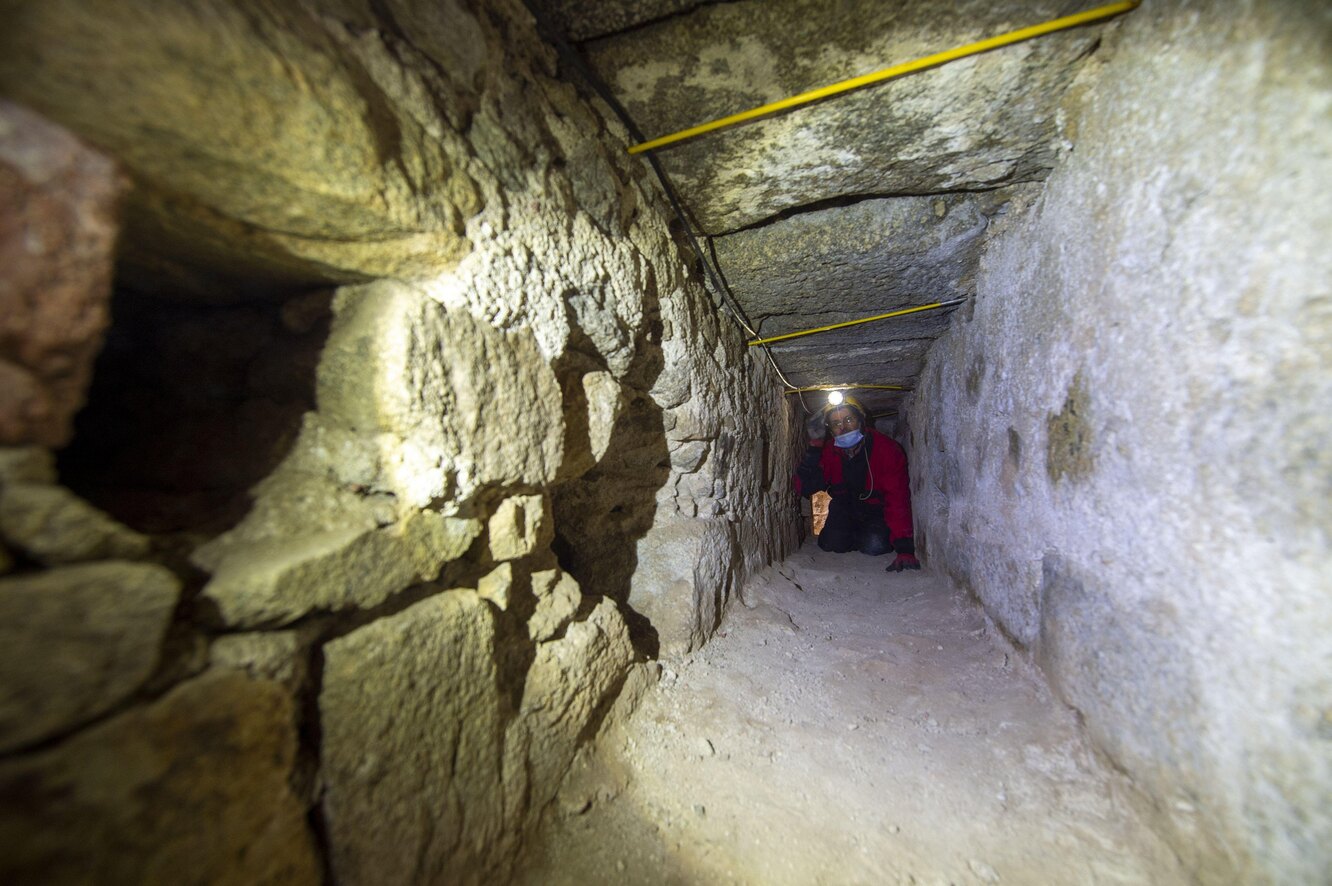
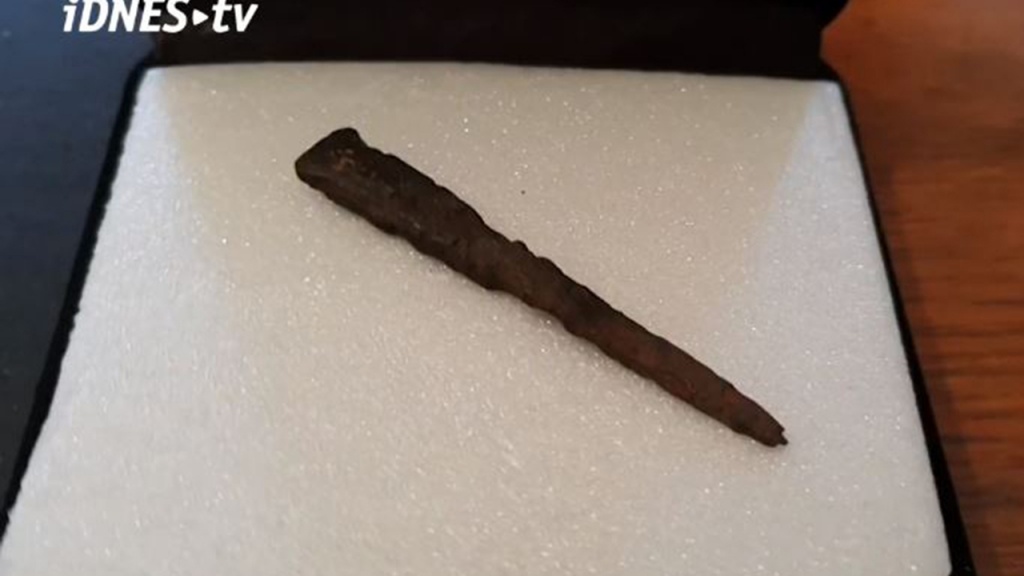
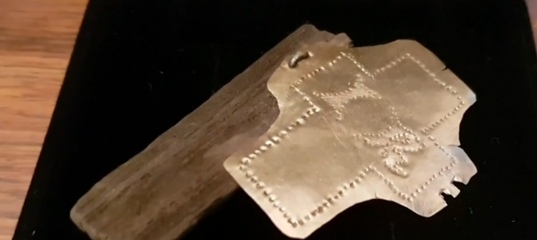
Archaeological research carried out by Czech scientists in the south of the country, in the ancient monastery of St. Elijah, resulted in a sensational find. An artifact discovered during the work may be a genuine nail from the crucifixion of the Lord Jesus Christ. Тот самый гвоздь, найдённый чешскими археологами The expedition members discovered a corridor in the holy monastery, the entrance to which had remained walled up for centuries and was thus hidden from prying eyes. The corridor led the researchers to a secret room. Inside it, scientists found the remains of humans and animals, as well as a box dating back to the very end of the ancient era. Experts say that it was made between 260 and 416. The lid of the box is decorated with engraving with the Latin letters IR - Iesus Rex, 'King Jesus'. So in the Middle Ages and earlier, relics related to the earthly life of the Savior were marked. Буквы IR - сокращённое Iesus Rex Inside the box, archaeologists found an iron nail and a four-pointed cross with wide blades. The very first results of carbon analysis showed that the the artifacts were made before the 4th century - the time when the mass counterfeiting of Christian shrines began. Researchers believe that a secret corridor in the monastery of St. Elijah, built in 1187, was walled up to save the relics from possible looting or desecration. Such foresight of medieval monks was clearly not superfluous: in 1420 the holy monastery was seized by the Hussites, who, in particular, burned down the monastery archives. So, scientists will have to look for documentary references regarding the discovered artifacts in other sources. In addition, a number of examinations of found antiquities are planned for 2021.
An artifact from the Czech Republic may be a nail from the True CrossAn artifact from the Czech Republic may be a nail from the True CrossArchaeological research carried out by Czech scientists in the south of the country, in the ancient monastery of St. Elijah, resulted in a sensational find. An artifact discovered during the work may be a genuine nail from the crucifixion of the Lord Jesus Christ. Тот самый гвоздь, найдённый чешскими археологами The expedition members discovered a corridor in the holy monastery, the entrance to which had remained walled up for centuries and was thus hidden from prying eyes. The corridor led the researchers to a secret room. Inside it, scientists found the remains of humans and animals, as well as a box dating back to the very end of the ancient era. Experts say that it was made between 260 and 416. The lid of the box is decorated with engraving with the Latin letters IR - Iesus Rex, 'King Jesus'. So in the Middle Ages and earlier, relics related to the earthly life of the Savior were marked. Буквы IR - сокращённое Iesus Rex Inside the box, archaeologists found an iron nail and a four-pointed cross with wide blades. The very first results of carbon analysis showed that the the artifacts were made before the 4th century - the time when the mass counterfeiting of Christian shrines began. Researchers believe that a secret corridor in the monastery of St. Elijah, built in 1187, was walled up to save the relics from possible looting or desecration. Such foresight of medieval monks was clearly not superfluous: in 1420 the holy monastery was seized by the Hussites, who, in particular, burned down the monastery archives. So, scientists will have to look for documentary references regarding the discovered artifacts in other sources. In addition, a number of examinations of found antiquities are planned for 2021.Свеча Иерусалима -en
Archaeological research carried out by Czech scientists in the south of the country, in the ancient monastery of St. Elijah, resulted in a sensational find. An artifact discovered during the work may be a genuine nail from the crucifixion of the Lord Jesus Christ. Тот самый гвоздь, найдённый чешскими археологами The expedition members discovered a corridor in the holy monastery, the entrance to which had remained walled up for centuries and was thus hidden from prying eyes. The corridor led the researchers to a secret room. Inside it, scientists found the remains of humans and animals, as well as a box dating back to the very end of the ancient era. Experts say that it was made between 260 and 416. The lid of the box is decorated with engraving with the Latin letters IR - Iesus Rex, 'King Jesus'. So in the Middle Ages and earlier, relics related to the earthly life of the Savior were marked. Буквы IR - сокращённое Iesus Rex Inside the box, archaeologists found an iron nail and a four-pointed cross with wide blades. The very first results of carbon analysis showed that the the artifacts were made before the 4th century - the time when the mass counterfeiting of Christian shrines began. Researchers believe that a secret corridor in the monastery of St. Elijah, built in 1187, was walled up to save the relics from possible looting or desecration. Such foresight of medieval monks was clearly not superfluous: in 1420 the holy monastery was seized by the Hussites, who, in particular, burned down the monastery archives. So, scientists will have to look for documentary references regarding the discovered artifacts in other sources. In addition, a number of examinations of found antiquities are planned for 2021.