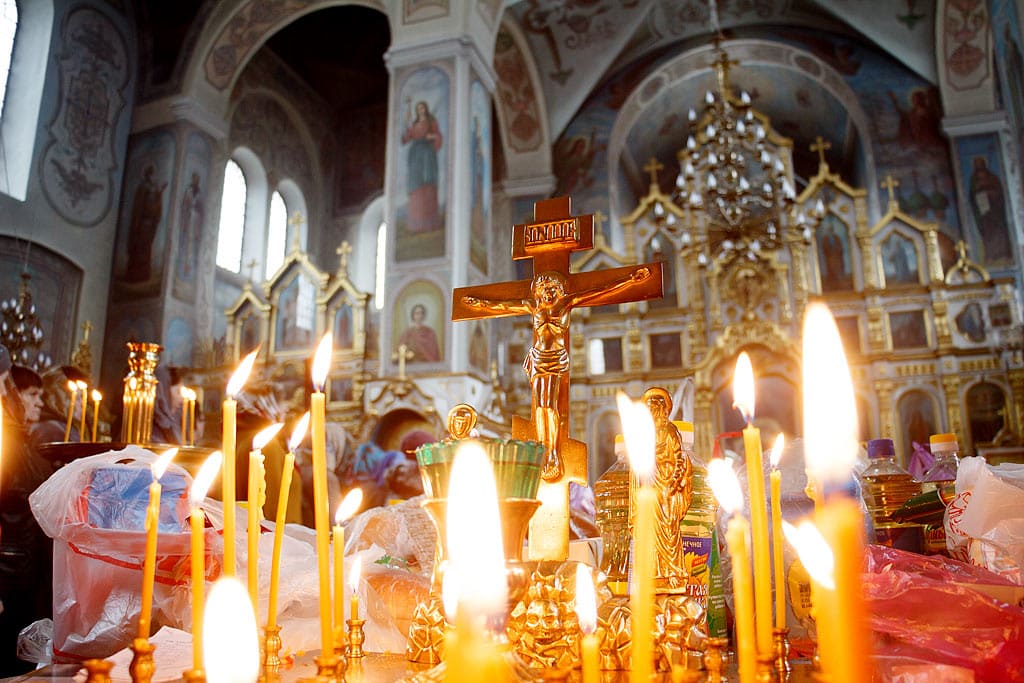
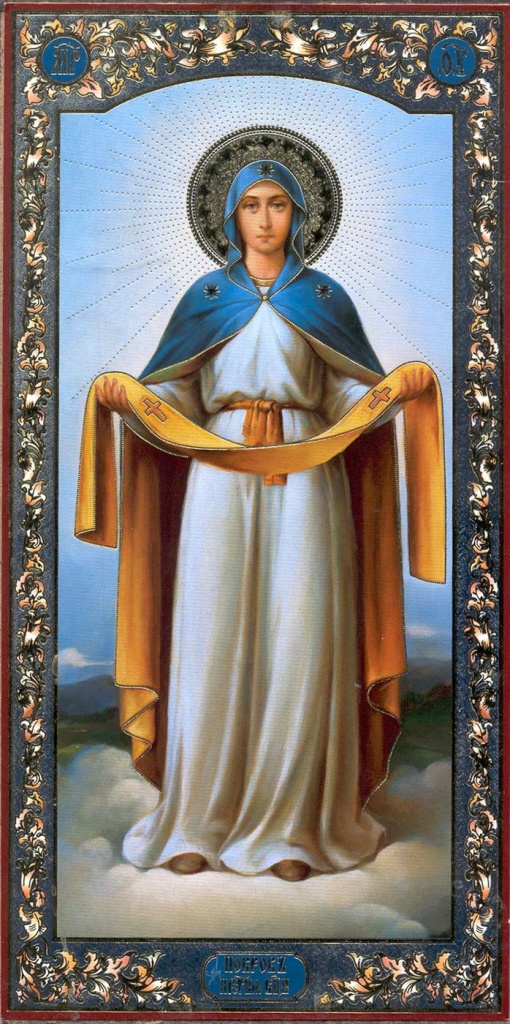
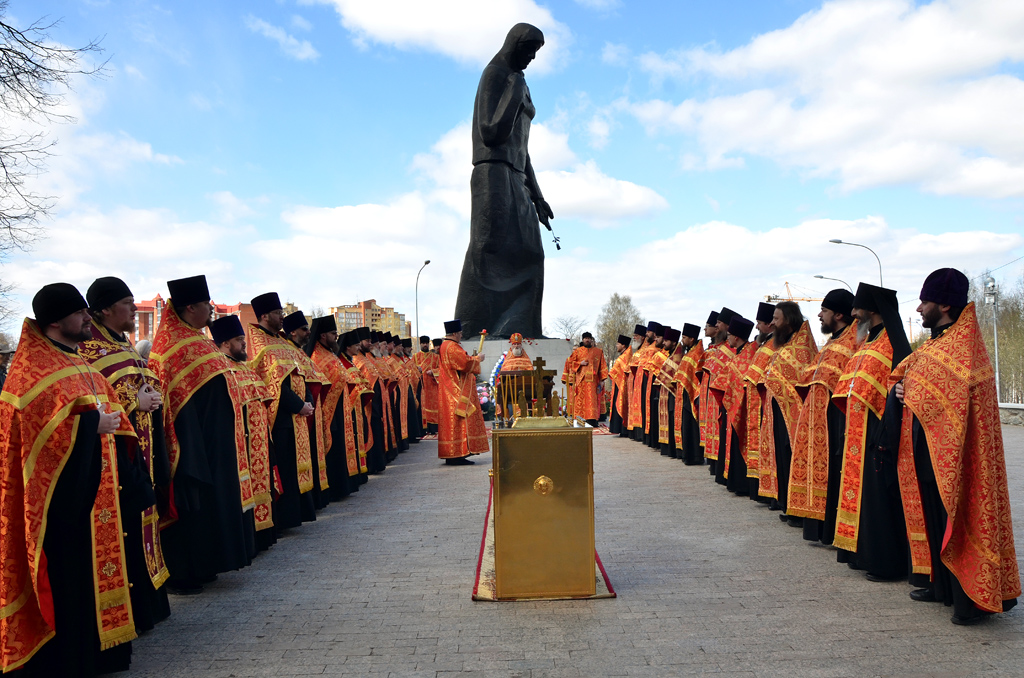
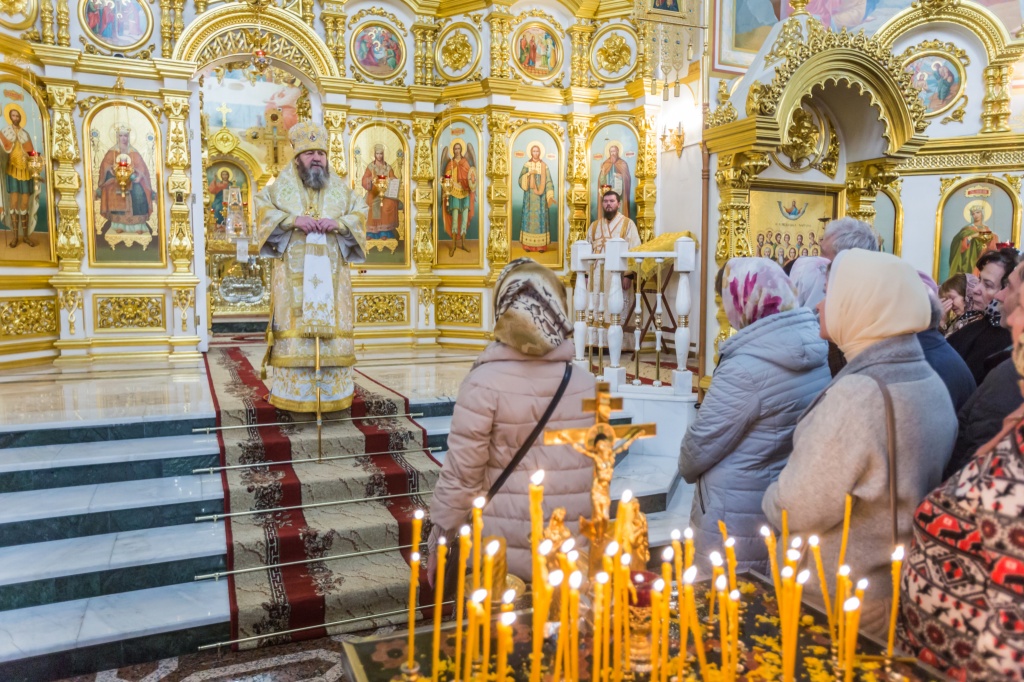
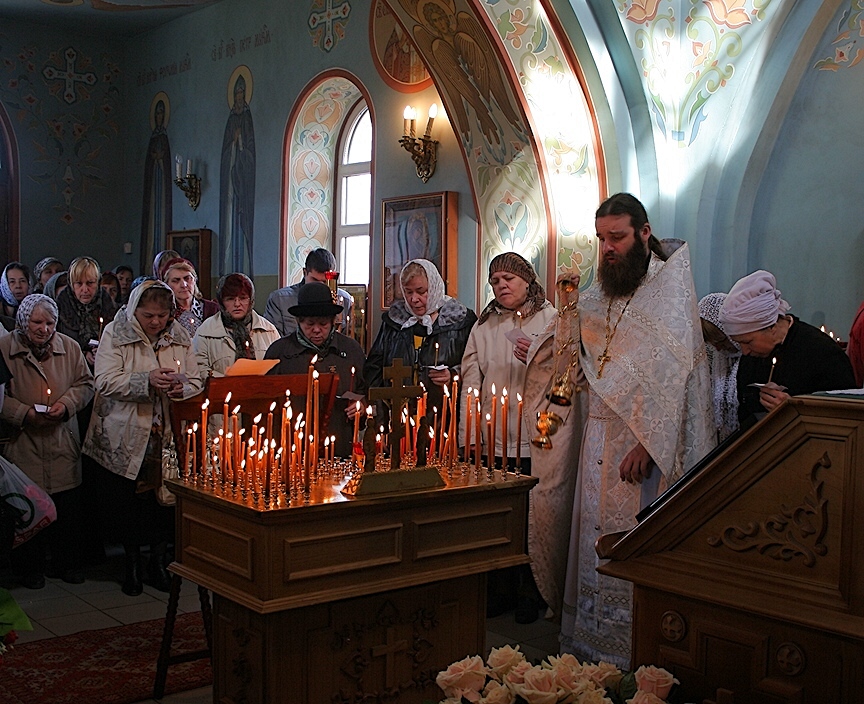
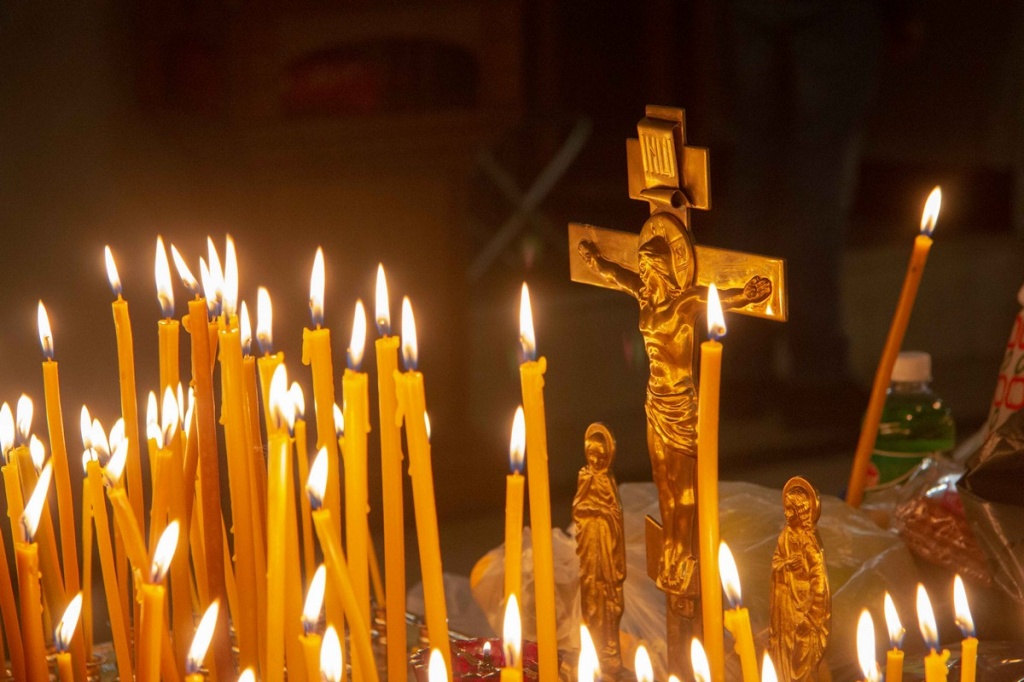
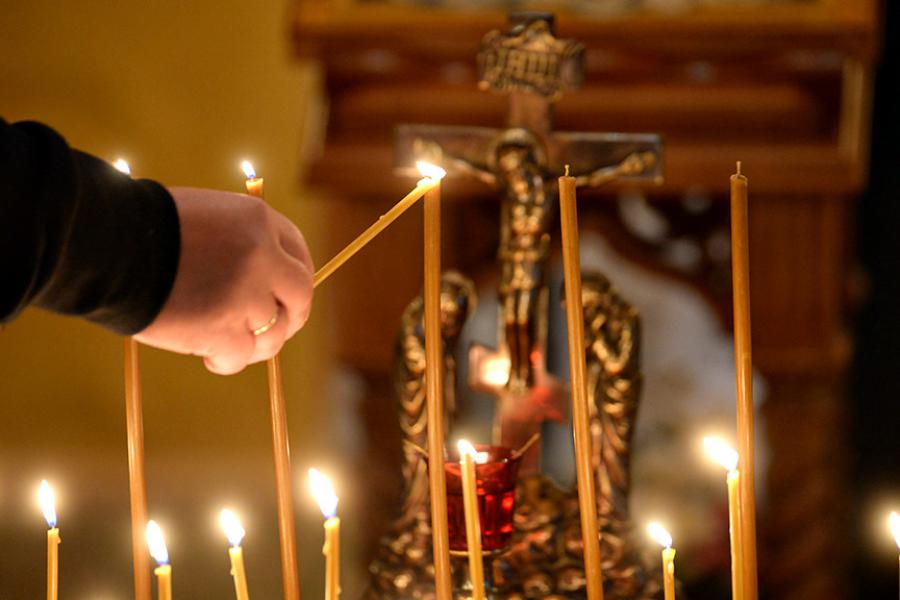
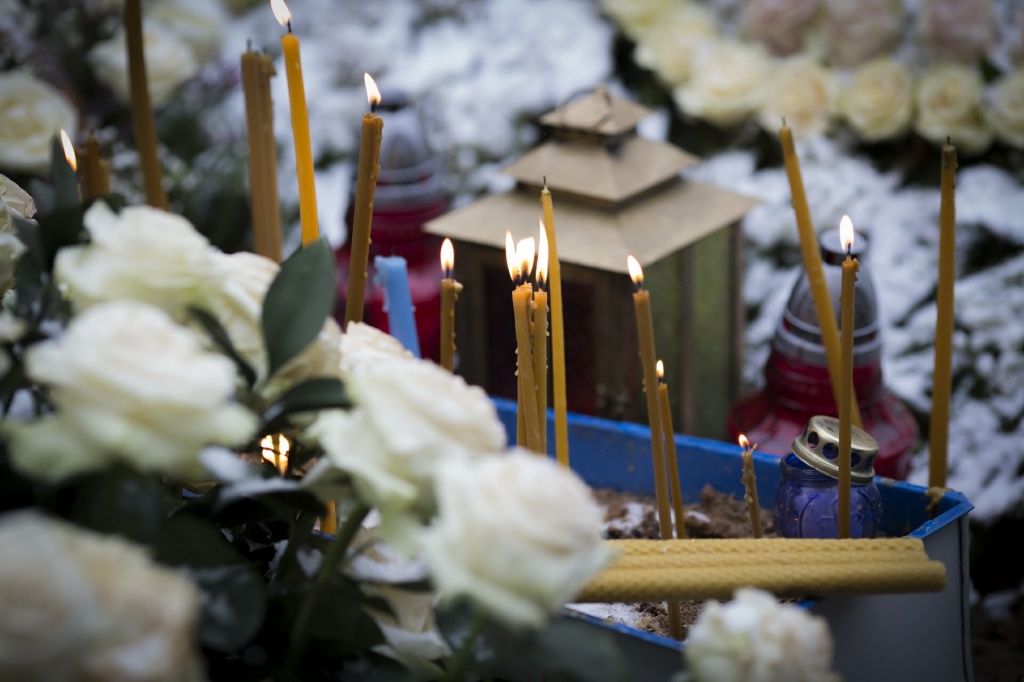
Every day in the Orthodox calendar is special, because it is associated with the memory of certain saints, with certain events of the Holy History. But there are also calendar dates on which we pay tribute to the memory of those who have already completed their earthly path and departed to the Lord God. Об упокоении усопших молятся и Пресвятой Богродице, чей Покров распростёрт над всеми людьми, как ныне живущими, так и уже отошедшими в мир иной The closest of these days is the Intercession parental Saturday, preceding the Great Feast of the Intercession of the Most Holy Theotokos (it is celebrated on October 14 in a new style). This memorial Saturday falls on October 10 this year. Today we will talk about this day and how it is customary to spend it among Orthodox Christians. В дни поминовения усопших церковь молится о них соборно, то есть во всей своей полноте The word 'parental' in relation to memorial Saturdays is not used only in the literal sense: after all, the father and mother of many people are alive. This word indicates a relationship that retrospectively continued from generation to generation until the time of the creation of man. Many billions of people who lived in previous times, just like us, have an immortal soul: they are not here in the earthly world, but they are alive with the Lord, and their existence has not ceased. This means that we can and should pray for them as long as we are able to do it. First of all - on memorial days specially set for this by the Church. At the same time, not only relatives, but also those who are especially dear to us from people who have completed their earthly life, are remembered in prayer. В храмах в дни родительских суббот и вечером накануне совершаются особые поминальные богослужения Memorial days are established in various local churches; some of them may coincide, others may differ from region to region, which is associated with local spiritual and historical traditions and the accepted church calendar. As for the Pokrovskaya parental Saturday, this day of remembrance was established on the canonical territory of the Russian Orthodox Church in the 16th century, during times of the reign of John IV the Terrible. As a matter of fact, the first Russian tsar personally established to commemorate the soldiers who died in 1552 during the capture of Kazan on the eve of the feast of the Intercession of the Mother of God. And the church legalized the Pokrovskaya parental Saturday in 1592, under the patriarch of Moscow and All Russia Job. The latter, by his decree, commanded to commemorate all the dead on this day, and not only the soldiers. Перед панихидой нужно заранее подать записку с именами умерших и пометкой об упокоении There are seven memorial Saturdays in the Orthodox calendar. Why is prayer for the dead on these days considered especially effective? First of all, because it is created conciliarly, by the clergy and lay faithful. The power of the prayer for the dead, offered by the fullness of the Church, is such that the dead can receive in these days deliverance from the punishment for the sins they once committed. Among the memorial Saturdays, the Ecumenical ones occupy a special place - when memorial services are served in local Orthodox churches, after which they generally commemorate all those who have departed to another world. There are two such in the calendar: Meat, a week before the beginning of Lent - and Trinity, before the feast of the Holy Trinity (Pentecost.) Свечи за упокой умерших в храме ставятся на специально предназначенном месте, которое называется канун Other memorial Saturdays are set for prayer for the dear dead, and Pokrovskaya parental Saturday is just such a date. On parental Saturdays and the evening before, special memorial services are held in Orthodox churches, and requiem services are served. For the memorial service, you should sell in advance notes with the names of the deceased and a note 'about the repose.' According to the pious folk tradition, on such days it is customary to bring food to the church - so that other people, eating them, prayerfully remember the deceased relatives of those people who donated them - even without knowing them by name. It is better if the food donated to the temple is not perishable. Об умерших в родительскую собботу можно помолиться и дома. Но лучше всё же найти возможность сделать это в храме After the end of the service on Pokrovskaya parental Saturday it is customary to visit the graves of relatives and friends at the cemetery and put them in order. After all, ahead of autumn rains, snow and cold winter - a time when it will be difficult to do this. As for the meal at the cemetery, all the more so - drinking alcoholic beverages there, the Orthodox tradition does not welcome such actions, to put it mildly. After all, they are a relic of pagan times, when right at the burial site for the dead they arranged a funeral feast, naively believing that people who had parted with the body would somehow be able to share the meal and libations. Instead of having a meal at the graves, it will be much more useful to distribute sweets or cookies to friends or just people they meet, asking them to remember the servant of God or the servant of God in prayer and naming the names of deceased relatives. Подав записку на панихиду, очень важно помолиться за ней самому, вместе с другими верующими. Сила общей молитвы много больше, чем личной If you failed to visit the church on Pokrovskaya Day or any other parental Saturday for some serious reason, you can also pray at home for the departed. Here is the simplest of the funeral prayers - the main thing is that her words, aloud or silently, are pronounced with faith and hope in the mercy of our Lord and our God Jesus Christ.
“Rest, Lord, the souls of the departed, Thy servant: my parents, relatives, benefactors (names) and all Orthodox Christians, and forgive them all sins, voluntary and involuntary, and grant them the Kingdom of Heaven. Amen.'
October 10 - Pokrovskaya parental SaturdayOctober 10 - Pokrovskaya parental Saturday Every day in the Orthodox calendar is special, because it is associated with the memory of certain saints, with certain events of the Holy History. But there are also calendar dates on which we pay tribute to the memory of those who have already completed their earthly path and departed to the Lord God. Об упокоении усопших молятся и Пресвятой Богродице, чей Покров распростёрт над всеми людьми, как ныне живущими, так и уже отошедшими в мир иной The closest of these days is the Intercession parental Saturday, preceding the Great Feast of the Intercession of the Most Holy Theotokos (it is celebrated on October 14 in a new style). This memorial Saturday falls on October 10 this year. Today we will talk about this day and how it is customary to spend it among Orthodox Christians. В дни поминовения усопших церковь молится о них соборно, то есть во всей своей полноте The word 'parental' in relation to memorial Saturdays is not used only in the literal sense: after all, the father and mother of many people are alive. This word indicates a relationship that retrospectively continued from generation to generation until the time of the creation of man. Many billions of people who lived in previous times, just like us, have an immortal soul: they are not here in the earthly world, but they are alive with the Lord, and their existence has not ceased. This means that we can and should pray for them as long as we are able to do it. First of all - on memorial days specially set for this by the Church. At the same time, not only relatives, but also those who are especially dear to us from people who have completed their earthly life, are remembered in prayer. В храмах в дни родительских суббот и вечером накануне совершаются особые поминальные богослужения Memorial days are established in various local churches; some of them may coincide, others may differ from region to region, which is associated with local spiritual and historical traditions and the accepted church calendar. As for the Pokrovskaya parental Saturday, this day of remembrance was established on the canonical territory of the Russian Orthodox Church in the 16th century, during times of the reign of John IV the Terrible. As a matter of fact, the first Russian tsar personally established to commemorate the soldiers who died in 1552 during the capture of Kazan on the eve of the feast of the Intercession of the Mother of God. And the church legalized the Pokrovskaya parental Saturday in 1592, under the patriarch of Moscow and All Russia Job. The latter, by his decree, commanded to commemorate all the dead on this day, and not only the soldiers. Перед панихидой нужно заранее подать записку с именами умерших и пометкой об упокоении There are seven memorial Saturdays in the Orthodox calendar. Why is prayer for the dead on these days considered especially effective? First of all, because it is created conciliarly, by the clergy and lay faithful. The power of the prayer for the dead, offered by the fullness of the Church, is such that the dead can receive in these days deliverance from the punishment for the sins they once committed. Among the memorial Saturdays, the Ecumenical ones occupy a special place - when memorial services are served in local Orthodox churches, after which they generally commemorate all those who have departed to another world. There are two such in the calendar: Meat, a week before the beginning of Lent - and Trinity, before the feast of the Holy Trinity (Pentecost.) Свечи за упокой умерших в храме ставятся на специально предназначенном месте, которое называется канун Other memorial Saturdays are set for prayer for the dear dead, and Pokrovskaya parental Saturday is just such a date. On parental Saturdays and the evening before, special memorial services are held in Orthodox churches, and requiem services are served. For the memorial service, you should sell in advance notes with the names of the deceased and a note 'about the repose.' According to the pious folk tradition, on such days it is customary to bring food to the church - so that other people, eating them, prayerfully remember the deceased relatives of those people who donated them - even without knowing them by name. It is better if the food donated to the temple is not perishable. Об умерших в родительскую собботу можно помолиться и дома. Но лучше всё же найти возможность сделать это в храме After the end of the service on Pokrovskaya parental Saturday it is customary to visit the graves of relatives and friends at the cemetery and put them in order. After all, ahead of autumn rains, snow and cold winter - a time when it will be difficult to do this. As for the meal at the cemetery, all the more so - drinking alcoholic beverages there, the Orthodox tradition does not welcome such actions, to put it mildly. After all, they are a relic of pagan times, when right at the burial site for the dead they arranged a funeral feast, naively believing that people who had parted with the body would somehow be able to share the meal and libations. Instead of having a meal at the graves, it will be much more useful to distribute sweets or cookies to friends or just people they meet, asking them to remember the servant of God or the servant of God in prayer and naming the names of deceased relatives. Подав записку на панихиду, очень важно помолиться за ней самому, вместе с другими верующими. Сила общей молитвы много больше, чем личной If you failed to visit the church on Pokrovskaya Day or any other parental Saturday for some serious reason, you can also pray at home for the departed. Here is the simplest of the funeral prayers - the main thing is that her words, aloud or silently, are pronounced with faith and hope in the mercy of our Lord and our God Jesus Christ. “Rest, Lord, the souls of the departed, Thy servant: my parents, relatives, benefactors (names) and all Orthodox Christians, and forgive them all sins, voluntary and involuntary, and grant them the Kingdom of Heaven. Amen.'Свеча Иерусалима -en
Every day in the Orthodox calendar is special, because it is associated with the memory of certain saints, with certain events of the Holy History. But there are also calendar dates on which we pay tribute to the memory of those who have already completed their earthly path and departed to the Lord God. Об упокоении усопших молятся и Пресвятой Богродице, чей Покров распростёрт над всеми людьми, как ныне живущими, так и уже отошедшими в мир иной The closest of these days is the Intercession parental Saturday, preceding the Great Feast of the Intercession of the Most Holy Theotokos (it is celebrated on October 14 in a new style). This memorial Saturday falls on October 10 this year. Today we will talk about this day and how it is customary to spend it among Orthodox Christians. В дни поминовения усопших церковь молится о них соборно, то есть во всей своей полноте The word 'parental' in relation to memorial Saturdays is not used only in the literal sense: after all, the father and mother of many people are alive. This word indicates a relationship that retrospectively continued from generation to generation until the time of the creation of man. Many billions of people who lived in previous times, just like us, have an immortal soul: they are not here in the earthly world, but they are alive with the Lord, and their existence has not ceased. This means that we can and should pray for them as long as we are able to do it. First of all - on memorial days specially set for this by the Church. At the same time, not only relatives, but also those who are especially dear to us from people who have completed their earthly life, are remembered in prayer. В храмах в дни родительских суббот и вечером накануне совершаются особые поминальные богослужения Memorial days are established in various local churches; some of them may coincide, others may differ from region to region, which is associated with local spiritual and historical traditions and the accepted church calendar. As for the Pokrovskaya parental Saturday, this day of remembrance was established on the canonical territory of the Russian Orthodox Church in the 16th century, during times of the reign of John IV the Terrible. As a matter of fact, the first Russian tsar personally established to commemorate the soldiers who died in 1552 during the capture of Kazan on the eve of the feast of the Intercession of the Mother of God. And the church legalized the Pokrovskaya parental Saturday in 1592, under the patriarch of Moscow and All Russia Job. The latter, by his decree, commanded to commemorate all the dead on this day, and not only the soldiers. Перед панихидой нужно заранее подать записку с именами умерших и пометкой об упокоении There are seven memorial Saturdays in the Orthodox calendar. Why is prayer for the dead on these days considered especially effective? First of all, because it is created conciliarly, by the clergy and lay faithful. The power of the prayer for the dead, offered by the fullness of the Church, is such that the dead can receive in these days deliverance from the punishment for the sins they once committed. Among the memorial Saturdays, the Ecumenical ones occupy a special place - when memorial services are served in local Orthodox churches, after which they generally commemorate all those who have departed to another world. There are two such in the calendar: Meat, a week before the beginning of Lent - and Trinity, before the feast of the Holy Trinity (Pentecost.) Свечи за упокой умерших в храме ставятся на специально предназначенном месте, которое называется канун Other memorial Saturdays are set for prayer for the dear dead, and Pokrovskaya parental Saturday is just such a date. On parental Saturdays and the evening before, special memorial services are held in Orthodox churches, and requiem services are served. For the memorial service, you should sell in advance notes with the names of the deceased and a note 'about the repose.' According to the pious folk tradition, on such days it is customary to bring food to the church - so that other people, eating them, prayerfully remember the deceased relatives of those people who donated them - even without knowing them by name. It is better if the food donated to the temple is not perishable. Об умерших в родительскую собботу можно помолиться и дома. Но лучше всё же найти возможность сделать это в храме After the end of the service on Pokrovskaya parental Saturday it is customary to visit the graves of relatives and friends at the cemetery and put them in order. After all, ahead of autumn rains, snow and cold winter - a time when it will be difficult to do this. As for the meal at the cemetery, all the more so - drinking alcoholic beverages there, the Orthodox tradition does not welcome such actions, to put it mildly. After all, they are a relic of pagan times, when right at the burial site for the dead they arranged a funeral feast, naively believing that people who had parted with the body would somehow be able to share the meal and libations. Instead of having a meal at the graves, it will be much more useful to distribute sweets or cookies to friends or just people they meet, asking them to remember the servant of God or the servant of God in prayer and naming the names of deceased relatives. Подав записку на панихиду, очень важно помолиться за ней самому, вместе с другими верующими. Сила общей молитвы много больше, чем личной If you failed to visit the church on Pokrovskaya Day or any other parental Saturday for some serious reason, you can also pray at home for the departed. Here is the simplest of the funeral prayers - the main thing is that her words, aloud or silently, are pronounced with faith and hope in the mercy of our Lord and our God Jesus Christ. “Rest, Lord, the souls of the departed, Thy servant: my parents, relatives, benefactors (names) and all Orthodox Christians, and forgive them all sins, voluntary and involuntary, and grant them the Kingdom of Heaven. Amen.'