Three Dioceses of the Hellenic Church excommunicated local deputies who voted to legalize same-sex "marriage"

Три Епархии Элладской церкви отлучили от церкви местных депутатов, проголосовавших за легализацию однополых «браков»
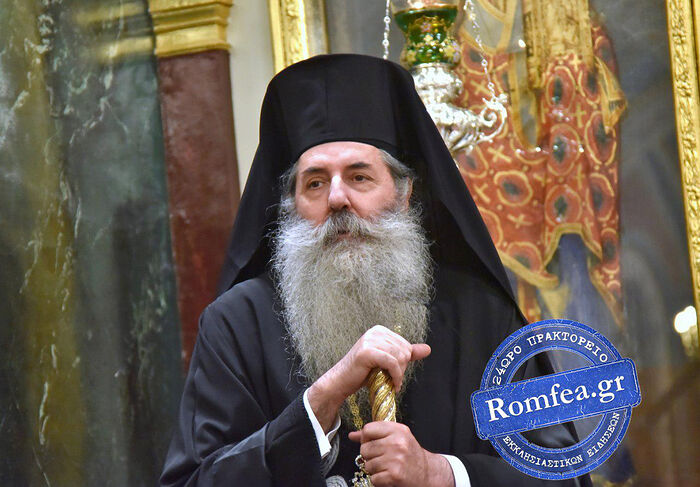
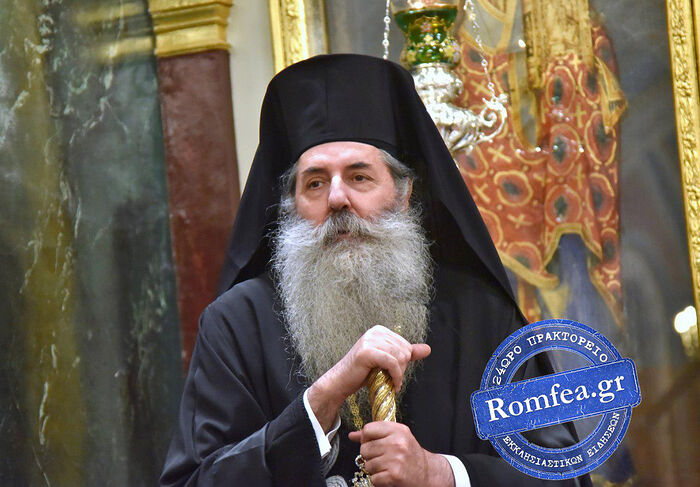
In response to the Greek Parliament's decision to legalize same-sex "marriages" one after another, three dioceses of the Hellenic Church excommunicated all local deputies who voted to legalize sodomy. The first to do so was the Metropolis of Piraeus. On February 22, an extraordinary meeting of the clergy of the metropolis was held at the Holy Trinity Cathedral in the city of Piraeus, according to the Romfeia news agency. At it, Metropolitan Seraphim of Piraeus said that an attempt is being made to "abolish human ontology and physiology, and an LGBT policy is being implemented to reshape Christian teaching, morality and culture." This was followed by an in-depth discussion of the issue, which resulted in the Metropolis adopting three resolutions. In the first resolution, the clergy stated that Piraeus is a city blessed by the Blessed Virgin Mary, and that when they become ministers of the Church, they are obliged to strictly "stand for the faith once delivered to the saints" (Jude 1:3), as well as to "guard and transmit in deed and word the unchangeable faith of the Apostles, the God-bearing Fathers and the Holy Ecumenical Councils". The second resolution states: "The adoption of the above-mentioned law by the Greek Parliament alters and distorts the anthropology and physiology of God's creation, blasphemously attempts to abrogate the Divine Law, which is directly transmitted to us through the Old and New Testament, by means of its LGBT-provocations [the movement is banned in the Russian Federation - note], and maniacally opposes the canons of the One, Holy, Sobornaya and Apostolic Church, which were given to her by the Holy Spirit". "Thus, those who voted for the legalization of same-sex 'marriage' prove by deed and word that they despise the Divine Law, oppose the salvation and eternal life of man, and therefore become co-laborers of Satan in his attacks on the Gospel, which not only makes them non-Christians, but also a threat to the entire Greek society," the resolution reads. Finally, the third resolution excommunicated from the Church within the Piraeus metropolis those politicians who participated in the lawlessness: "In order to protect our ministry, having great responsibility before God and adhering to the provisions of Article 4, paragraph 9 of the 1977 Statutes of the Hellenic Church, we break our communion with those who voted against the divine law, with all the consequences that this entails (including refusing to invite them to any events in our parishes) until they repent in practice by having the Greek Parliament repeal this most shameful law." The resolutions were signed by Metropolitan Seraphim of Piraeus, as well as the chairmen of the diocesan councils and administrative commissions. And a little later Metropolitan Seraphim of Kytir and Antikytir also announced that those members of parliament in the territory of his metropolis who voted in favor of the relevant law are forbidden to receive communion in churches under the jurisdiction of that hierarch. "Recent events truly call for rivers of penitential tears and broken hearts... Our era is truly, without exaggeration, worthy of tears and sobs," Metropolitan Seraphim wrote. "The God-loving people of God grieve and wail because of the sacrilege committed in our days... Only 'rights' reign, but there is not even a word about duties. Because of the rights of homosexual 'couples', the divine laws of nature are being abrogated and ignored... The spirit of party politics has prevailed over the commands of the Spirit of God," the bishop lamented. "I must state to all but one of our region's MPs that they have deeply saddened and offended the pious people of our islands of Kithira and Antikithira with their stance. Until their sincere repentance for what they have unfortunately done is brought and demonstrated in practice, our archdiocese will not invite them to its official celebrations and will deny them Holy Communion if they attend services and request it. The question of their excommunication from the Church should be additionally considered by the Holy Synod of the Hellenic Church," the hierarch is convinced. "The crime committed is undoubtedly more grave than the crime that took place during the era of Emperor Theodosius the Great," Metropolitan Seraphim continued, referring to the massacre in Thessalonica in 390, during which many civilians were killed, for which St. Ambrose of Mediola excommunicated the emperor (who played a role in it) from the sacrament of communion. "Because in our case it is not even a physical death, but that thousands and millions of our brethren, especially young people, in our Greek Orthodox homeland and throughout the world are perishing spiritually and psychologically," he concluded. Following in the footsteps of the Metropolises of Piraeus and Kythira, the Archdiocese of Kerkyra, Paxia and Diapontene Islands decided to excommunicate local MPs who voted to legalize same-sex "marriages." On March 5, a General Meeting of the clergy, presided over by Metropolitan Nektarios of Kerkyre, Paxia and the Diapontine Islands, was held at the spiritual center of the metropolis. In a final statement, the priests and deacons of the Metropolis expressed "deep sadness" that two deputies of their prefecture had voted in favor of legalizing homosexual "marriage" and the adoption of children same-sex couples, despite having been informed in advance of the position of the Holy Synod of the Hellenic Church on these issues, the Orthodoxia news agency reported. "They have spiritually committed a grave transgression either because they followed 'party discipline' or because they do not realize that in order to be a member of the Church one must follow its teachings not selectively but in their entirety. Thus, for us, these two parliamentarians cannot continue to be members of the Church," the Metropolis said in a statement. Consequently, these MPs are excommunicated from Church communion within the Metropolis of Kerkyra, Paxia and the Diapontian Islands. "Therefore, we ask them to refrain from attending any church events, forbid them to receive Holy Communion of Christ's Sacraments and urge them to repent of their error," the archdiocese ruled. "We also declare that from now on we will not grant them any honors arising from the relationship between the state and the Church, at official events, at parish liturgical gatherings and during processions, and call on them to take responsibility for their actions," they continued. The clergy noted that even in the Czech Republic, the country with the lowest level of religiosity in Europe, the parliament of the refused to allow same-sex "marriages" to be registered or to grant gay couples the right to adopt children. Meanwhile, to Greece's shame, headlines are calling it "the first Orthodox country to legalize same-sex marriage."
Share:
Three Dioceses of the Hellenic Church excommunicated local deputies who voted to legalize same-sex "marriage" Three Dioceses of the Hellenic Church excommunicated local deputies who voted to legalize same-sex "marriage" In response to the Greek Parliament's decision to legalize same-sex "marriages" one after another, three dioceses of the Hellenic Church excommunicated all local deputies who voted to legalize sodomy. The first to do so was the Metropolis of Piraeus. On February 22, an extraordinary meeting of the clergy of the metropolis was held at the Holy Trinity Cathedral in the city of Piraeus, according to the Romfeia news agency. At it, Metropolitan Seraphim of Piraeus said that an attempt is being made to "abolish human ontology and physiology, and an LGBT policy is being implemented to reshape Christian teaching, morality and culture." This was followed by an in-depth discussion of the issue, which resulted in the Metropolis adopting three resolutions. In the first resolution, the clergy stated that Piraeus is a city blessed by the Blessed Virgin Mary, and that when they become ministers of the Church, they are obliged to strictly "stand for the faith once delivered to the saints" (Jude 1:3), as well as to "guard and transmit in deed and word the unchangeable faith of the Apostles, the God-bearing Fathers and the Holy Ecumenical Councils". The second resolution states: "The adoption of the above-mentioned law by the Greek Parliament alters and distorts the anthropology and physiology of God's creation, blasphemously attempts to abrogate the Divine Law, which is directly transmitted to us through the Old and New Testament, by means of its LGBT-provocations [the movement is banned in the Russian Federation - note], and maniacally opposes the canons of the One, Holy, Sobornaya and Apostolic Church, which were given to her by the Holy Spirit". "Thus, those who voted for the legalization of same-sex 'marriage' prove by deed and word that they despise the Divine Law, oppose the salvation and eternal life of man, and therefore become co-laborers of Satan in his attacks on the Gospel, which not only makes them non-Christians, but also a threat to the entire Greek society," the resolution reads. Finally, the third resolution excommunicated from the Church within the Piraeus metropolis those politicians who participated in the lawlessness: "In order to protect our ministry, having great responsibility before God and adhering to the provisions of Article 4, paragraph 9 of the 1977 Statutes of the Hellenic Church, we break our communion with those who voted against the divine law, with all the consequences that this entails (including refusing to invite them to any events in our parishes) until they repent in practice by having the Greek Parliament repeal this most shameful law." The resolutions were signed by Metropolitan Seraphim of Piraeus, as well as the chairmen of the diocesan councils and administrative commissions. And a little later Metropolitan Seraphim of Kytir and Antikytir also announced that those members of parliament in the territory of his metropolis who voted in favor of the relevant law are forbidden to receive communion in churches under the jurisdiction of that hierarch. "Recent events truly call for rivers of penitential tears and broken hearts... Our era is truly, without exaggeration, worthy of tears and sobs," Metropolitan Seraphim wrote. "The God-loving people of God grieve and wail because of the sacrilege committed in our days... Only 'rights' reign, but there is not even a word about duties. Because of the rights of homosexual 'couples', the divine laws of nature are being abrogated and ignored... The spirit of party politics has prevailed over the commands of the Spirit of God," the bishop lamented. "I must state to all but one of our region's MPs that they have deeply saddened and offended the pious people of our islands of Kithira and Antikithira with their stance. Until their sincere repentance for what they have unfortunately done is brought and demonstrated in practice, our archdiocese will not invite them to its official celebrations and will deny them Holy Communion if they attend services and request it. The question of their excommunication from the Church should be additionally considered by the Holy Synod of the Hellenic Church," the hierarch is convinced. "The crime committed is undoubtedly more grave than the crime that took place during the era of Emperor Theodosius the Great," Metropolitan Seraphim continued, referring to the massacre in Thessalonica in 390, during which many civilians were killed, for which St. Ambrose of Mediola excommunicated the emperor (who played a role in it) from the sacrament of communion. "Because in our case it is not even a physical death, but that thousands and millions of our brethren, especially young people, in our Greek Orthodox homeland and throughout the world are perishing spiritually and psychologically," he concluded. Following in the footsteps of the Metropolises of Piraeus and Kythira, the Archdiocese of Kerkyra, Paxia and Diapontene Islands decided to excommunicate local MPs who voted to legalize same-sex "marriages." On March 5, a General Meeting of the clergy, presided over by Metropolitan Nektarios of Kerkyre, Paxia and the Diapontine Islands, was held at the spiritual center of the metropolis. In a final statement, the priests and deacons of the Metropolis expressed "deep sadness" that two deputies of their prefecture had voted in favor of legalizing homosexual "marriage" and the adoption of children same-sex couples, despite having been informed in advance of the position of the Holy Synod of the Hellenic Church on these issues, the Orthodoxia news agency reported. "They have spiritually committed a grave transgression either because they followed 'party discipline' or because they do not realize that in order to be a member of the Church one must follow its teachings not selectively but in their entirety. Thus, for us, these two parliamentarians cannot continue to be members of the Church," the Metropolis said in a statement. Consequently, these MPs are excommunicated from Church communion within the Metropolis of Kerkyra, Paxia and the Diapontian Islands. "Therefore, we ask them to refrain from attending any church events, forbid them to receive Holy Communion of Christ's Sacraments and urge them to repent of their error," the archdiocese ruled. "We also declare that from now on we will not grant them any honors arising from the relationship between the state and the Church, at official events, at parish liturgical gatherings and during processions, and call on them to take responsibility for their actions," they continued. The clergy noted that even in the Czech Republic, the country with the lowest level of religiosity in Europe, the parliament of the refused to allow same-sex "marriages" to be registered or to grant gay couples the right to adopt children. Meanwhile, to Greece's shame, headlines are calling it "the first Orthodox country to legalize same-sex marriage."
In response to the Greek Parliament's decision to legalize same-sex "marriages" one after another, three dioceses of the Hellenic Church excommunicated all local deputies who voted to legalize sodomy. The first to do so was the Metropolis of Piraeus. On February 22, an extraordinary meeting of the clergy of the metropolis was held at the Holy Trinity Cathedral in the city of Piraeus, according to the Romfeia news agency. At it, Metropolitan Seraphim of Piraeus said that an attempt is being made to "abolish human ontology and physiology, and an LGBT policy is being implemented to reshape Christian teaching, morality and culture." This was followed by an in-depth discussion of the issue, which resulted in the Metropolis adopting three resolutions. In the first resolution, the clergy stated that Piraeus is a city blessed by the Blessed Virgin Mary, and that when they become ministers of the Church, they are obliged to strictly "stand for the faith once delivered to the saints" (Jude 1:3), as well as to "guard and transmit in deed and word the unchangeable faith of the Apostles, the God-bearing Fathers and the Holy Ecumenical Councils". The second resolution states: "The adoption of the above-mentioned law by the Greek Parliament alters and distorts the anthropology and physiology of God's creation, blasphemously attempts to abrogate the Divine Law, which is directly transmitted to us through the Old and New Testament, by means of its LGBT-provocations [the movement is banned in the Russian Federation - note], and maniacally opposes the canons of the One, Holy, Sobornaya and Apostolic Church, which were given to her by the Holy Spirit". "Thus, those who voted for the legalization of same-sex 'marriage' prove by deed and word that they despise the Divine Law, oppose the salvation and eternal life of man, and therefore become co-laborers of Satan in his attacks on the Gospel, which not only makes them non-Christians, but also a threat to the entire Greek society," the resolution reads. Finally, the third resolution excommunicated from the Church within the Piraeus metropolis those politicians who participated in the lawlessness: "In order to protect our ministry, having great responsibility before God and adhering to the provisions of Article 4, paragraph 9 of the 1977 Statutes of the Hellenic Church, we break our communion with those who voted against the divine law, with all the consequences that this entails (including refusing to invite them to any events in our parishes) until they repent in practice by having the Greek Parliament repeal this most shameful law." The resolutions were signed by Metropolitan Seraphim of Piraeus, as well as the chairmen of the diocesan councils and administrative commissions. And a little later Metropolitan Seraphim of Kytir and Antikytir also announced that those members of parliament in the territory of his metropolis who voted in favor of the relevant law are forbidden to receive communion in churches under the jurisdiction of that hierarch. "Recent events truly call for rivers of penitential tears and broken hearts... Our era is truly, without exaggeration, worthy of tears and sobs," Metropolitan Seraphim wrote. "The God-loving people of God grieve and wail because of the sacrilege committed in our days... Only 'rights' reign, but there is not even a word about duties. Because of the rights of homosexual 'couples', the divine laws of nature are being abrogated and ignored... The spirit of party politics has prevailed over the commands of the Spirit of God," the bishop lamented. "I must state to all but one of our region's MPs that they have deeply saddened and offended the pious people of our islands of Kithira and Antikithira with their stance. Until their sincere repentance for what they have unfortunately done is brought and demonstrated in practice, our archdiocese will not invite them to its official celebrations and will deny them Holy Communion if they attend services and request it. The question of their excommunication from the Church should be additionally considered by the Holy Synod of the Hellenic Church," the hierarch is convinced. "The crime committed is undoubtedly more grave than the crime that took place during the era of Emperor Theodosius the Great," Metropolitan Seraphim continued, referring to the massacre in Thessalonica in 390, during which many civilians were killed, for which St. Ambrose of Mediola excommunicated the emperor (who played a role in it) from the sacrament of communion. "Because in our case it is not even a physical death, but that thousands and millions of our brethren, especially young people, in our Greek Orthodox homeland and throughout the world are perishing spiritually and psychologically," he concluded. Following in the footsteps of the Metropolises of Piraeus and Kythira, the Archdiocese of Kerkyra, Paxia and Diapontene Islands decided to excommunicate local MPs who voted to legalize same-sex "marriages." On March 5, a General Meeting of the clergy, presided over by Metropolitan Nektarios of Kerkyre, Paxia and the Diapontine Islands, was held at the spiritual center of the metropolis. In a final statement, the priests and deacons of the Metropolis expressed "deep sadness" that two deputies of their prefecture had voted in favor of legalizing homosexual "marriage" and the adoption of children same-sex couples, despite having been informed in advance of the position of the Holy Synod of the Hellenic Church on these issues, the Orthodoxia news agency reported. "They have spiritually committed a grave transgression either because they followed 'party discipline' or because they do not realize that in order to be a member of the Church one must follow its teachings not selectively but in their entirety. Thus, for us, these two parliamentarians cannot continue to be members of the Church," the Metropolis said in a statement. Consequently, these MPs are excommunicated from Church communion within the Metropolis of Kerkyra, Paxia and the Diapontian Islands. "Therefore, we ask them to refrain from attending any church events, forbid them to receive Holy Communion of Christ's Sacraments and urge them to repent of their error," the archdiocese ruled. "We also declare that from now on we will not grant them any honors arising from the relationship between the state and the Church, at official events, at parish liturgical gatherings and during processions, and call on them to take responsibility for their actions," they continued. The clergy noted that even in the Czech Republic, the country with the lowest level of religiosity in Europe, the parliament of the refused to allow same-sex "marriages" to be registered or to grant gay couples the right to adopt children. Meanwhile, to Greece's shame, headlines are calling it "the first Orthodox country to legalize same-sex marriage."