The Romanian Church proposed to canonize the founders of the Athonite hermitage of Prodromos

Румынская Церковь предложила канонизировать основателей афонского скита Продром

Bucharest, May 24, 2024.

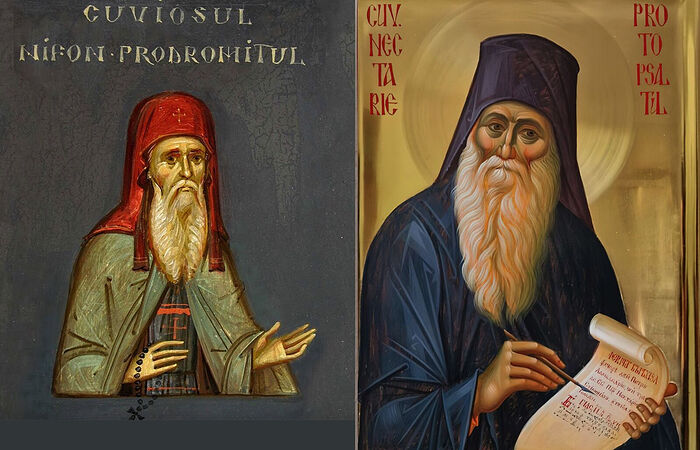
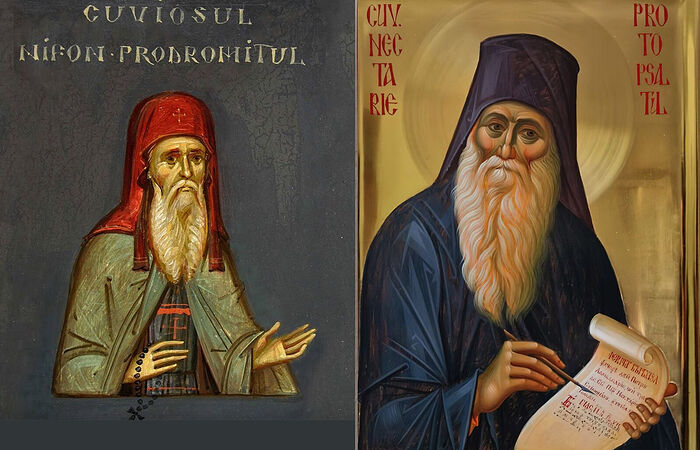
Niphont and Nectarius, founders of the hermitage of Prodromos

Two more Romanian Athonite monks may soon be consecrated.

On May 20, the Synod of the Metropolitanate of Muntenia and Dobrudja of the Romanian Orthodox Church met at the Patriarchal Residence in Bucharest. During the meeting, His Beatitude Patriarch Daniel of Romania announced an official proposal to consecrate the founders of the Athonite hermitage of Prodromos Niphont and Nectarius, according to the Basilica news agency.

Since Mount Athos is under the jurisdiction of the Patriarchate of Constantinople, the Romanian Church is asking the Ecumenical Patriarchate to canonize these ascetics of piety, and then it can to add their names to their holy churches.

Previously, the same proposal was made for Sr. Dionysius (Ignat; 1909-2004) and Sr. Petronius (Tănase; 1916-2011), Romanian Athonite ascetics of the 20th century, in 2022.

The Synod approved the liturgical texts that will accompany the proposal for the canonization of Nectarius Protopsalt, whom Patriarch Daniel called "one of the greatest Romanian Isikhasts who lived on the Holy Mountain of Mount Athos." He is known as the "Nightingale of Mount Athos" because he had a beautiful voice and sang beautifully, the Primate of the Romanian Church also noted.

The text of the service to Hierarch Nifont will be considered later.

Monks Nifont and Nektarius from the monastery of Khoraitz (in honor of the Epiphany of the Lord in the commune of Krekeoani) bought the cell Prodromos from Greek monks in 1851. In 1856, Patriarch Cyril VII of Constantinople approved the establishment of the Romanian hermitage of Prodromos.

The Romanian hermitage of Prodromos is a dormitory. It is consecrated in honor of St. John the Baptist and is located at the eastern end of Mount Athos. It belongs to the Great Lavra and is located four kilometers from it. The word itself "prodrom" means "herald".

Earlier in May 2024, the Synod of the Olten Metropolitanate of the Romanian Orthodox Church proposed to canonize Ioan, the first abbot of the monastery of Horezu (in the city of the same name in the historical region of Wallachia), founded in 1690 by the holy martyr Constantin Brincheanu (Comm. 16 August), Lord of Wallachia (1688-1714).

Horezu Monastery. Photo: 3seaseurope.com

Hegumen John was from Žudez Ardješ. He took monasticism in the monastery of Negru-Vode, where he eventually became a hieromonk and later abbot.

In 1692, St. Constantine appointed him abbot of the monastery of Horezu. During his life, he also founded a hermitage in honor of the Holy Apostles and coordinated the construction of the hermitage of St. Stephen, founded by the holy martyr Stefan Brincoveanu, Gospodaric of Wallachia in 1698, and the monastery hospital founded by Maria Brincoveanu, wife of Constantine, in 1700.

Ioannes also coordinated construction and renovation works in the monasteries of Polovraga and Cosia.

He was the closest confidant, associate and confessor of the family of St. Gospodar Constantin Brincoveanu.

John reposed to the Lord in the summer of 1726 and was buried in the monastery church in Chorezu.

Sources:
https://orthochristian.com/160302.html

https://orthochristian.com/160127.html

Share:
The Romanian Church proposed to canonize the founders of the Athonite hermitage of Prodromos The Romanian Church proposed to canonize the founders of the Athonite hermitage of Prodromos Bucharest, May 24, 2024. Niphont and Nectarius, founders of the hermitage of Prodromos Niphont and Nectarius, founders of the hermitage of Prodromos Two more Romanian Athonite monks may soon be consecrated. On May 20, the Synod of the Metropolitanate of Muntenia and Dobrudja of the Romanian Orthodox Church met at the Patriarchal Residence in Bucharest. During the meeting, His Beatitude Patriarch Daniel of Romania announced an official proposal to consecrate the founders of the Athonite hermitage of Prodromos Niphont and Nectarius, according to the Basilica news agency. Since Mount Athos is under the jurisdiction of the Patriarchate of Constantinople, the Romanian Church is asking the Ecumenical Patriarchate to canonize these ascetics of piety, and then it can to add their names to their holy churches. Previously, the same proposal was made for Sr. Dionysius (Ignat; 1909-2004) and Sr. Petronius (Tănase; 1916-2011), Romanian Athonite ascetics of the 20th century, in 2022. The Synod approved the liturgical texts that will accompany the proposal for the canonization of Nectarius Protopsalt, whom Patriarch Daniel called "one of the greatest Romanian Isikhasts who lived on the Holy Mountain of Mount Athos." He is known as the "Nightingale of Mount Athos" because he had a beautiful voice and sang beautifully, the Primate of the Romanian Church also noted. The text of the service to Hierarch Nifont will be considered later. Monks Nifont and Nektarius from the monastery of Khoraitz (in honor of the Epiphany of the Lord in the commune of Krekeoani) bought the cell Prodromos from Greek monks in 1851. In 1856, Patriarch Cyril VII of Constantinople approved the establishment of the Romanian hermitage of Prodromos. The Romanian hermitage of Prodromos is a dormitory. It is consecrated in honor of St. John the Baptist and is located at the eastern end of Mount Athos. It belongs to the Great Lavra and is located four kilometers from it. The word itself "prodrom" means "herald". Earlier in May 2024, the Synod of the Olten Metropolitanate of the Romanian Orthodox Church proposed to canonize Ioan, the first abbot of the monastery of Horezu (in the city of the same name in the historical region of Wallachia), founded in 1690 by the holy martyr Constantin Brincheanu (Comm. 16 August), Lord of Wallachia (1688-1714). Horezu Monastery. Photo: 3seaseurope.com Horezu Monastery. Photo: 3seaseurope.com Hegumen John was from Žudez Ardješ. He took monasticism in the monastery of Negru-Vode, where he eventually became a hieromonk and later abbot. In 1692, St. Constantine appointed him abbot of the monastery of Horezu. During his life, he also founded a hermitage in honor of the Holy Apostles and coordinated the construction of the hermitage of St. Stephen, founded by the holy martyr Stefan Brincoveanu, Gospodaric of Wallachia in 1698, and the monastery hospital founded by Maria Brincoveanu, wife of Constantine, in 1700. Ioannes also coordinated construction and renovation works in the monasteries of Polovraga and Cosia. https://orthochristian.com/160127.html
Bucharest, May 24, 2024. Niphont and Nectarius, founders of the hermitage of Prodromos Niphont and Nectarius, founders of the hermitage of Prodromos Two more Romanian Athonite monks may soon be consecrated. On May 20, the Synod of the Metropolitanate of Muntenia and Dobrudja of the Romanian Orthodox Church met at the Patriarchal Residence in Bucharest. During the meeting, His Beatitude Patriarch Daniel of Romania announced an official proposal to consecrate the founders of the Athonite hermitage of Prodromos Niphont and Nectarius, according to the Basilica news agency. Since Mount Athos is under the jurisdiction of the Patriarchate of Constantinople, the Romanian Church is asking the Ecumenical Patriarchate to canonize these ascetics of piety, and then it can to add their names to their holy churches. Previously, the same proposal was made for Sr. Dionysius (Ignat; 1909-2004) and Sr. Petronius (Tănase; 1916-2011), Romanian Athonite ascetics of the 20th century, in 2022. The Synod approved the liturgical texts that will accompany the proposal for the canonization of Nectarius Protopsalt, whom Patriarch Daniel called "one of the greatest Romanian Isikhasts who lived on the Holy Mountain of Mount Athos." He is known as the "Nightingale of Mount Athos" because he had a beautiful voice and sang beautifully, the Primate of the Romanian Church also noted. The text of the service to Hierarch Nifont will be considered later. Monks Nifont and Nektarius from the monastery of Khoraitz (in honor of the Epiphany of the Lord in the commune of Krekeoani) bought the cell Prodromos from Greek monks in 1851. In 1856, Patriarch Cyril VII of Constantinople approved the establishment of the Romanian hermitage of Prodromos. The Romanian hermitage of Prodromos is a dormitory. It is consecrated in honor of St. John the Baptist and is located at the eastern end of Mount Athos. It belongs to the Great Lavra and is located four kilometers from it. The word itself "prodrom" means "herald". Earlier in May 2024, the Synod of the Olten Metropolitanate of the Romanian Orthodox Church proposed to canonize Ioan, the first abbot of the monastery of Horezu (in the city of the same name in the historical region of Wallachia), founded in 1690 by the holy martyr Constantin Brincheanu (Comm. 16 August), Lord of Wallachia (1688-1714). Horezu Monastery. Photo: 3seaseurope.com Horezu Monastery. Photo: 3seaseurope.com Hegumen John was from Žudez Ardješ. He took monasticism in the monastery of Negru-Vode, where he eventually became a hieromonk and later abbot. In 1692, St. Constantine appointed him abbot of the monastery of Horezu. During his life, he also founded a hermitage in honor of the Holy Apostles and coordinated the construction of the hermitage of St. Stephen, founded by the holy martyr Stefan Brincoveanu, Gospodaric of Wallachia in 1698, and the monastery hospital founded by Maria Brincoveanu, wife of Constantine, in 1700. Ioannes also coordinated construction and renovation works in the monasteries of Polovraga and Cosia. https://orthochristian.com/160127.html