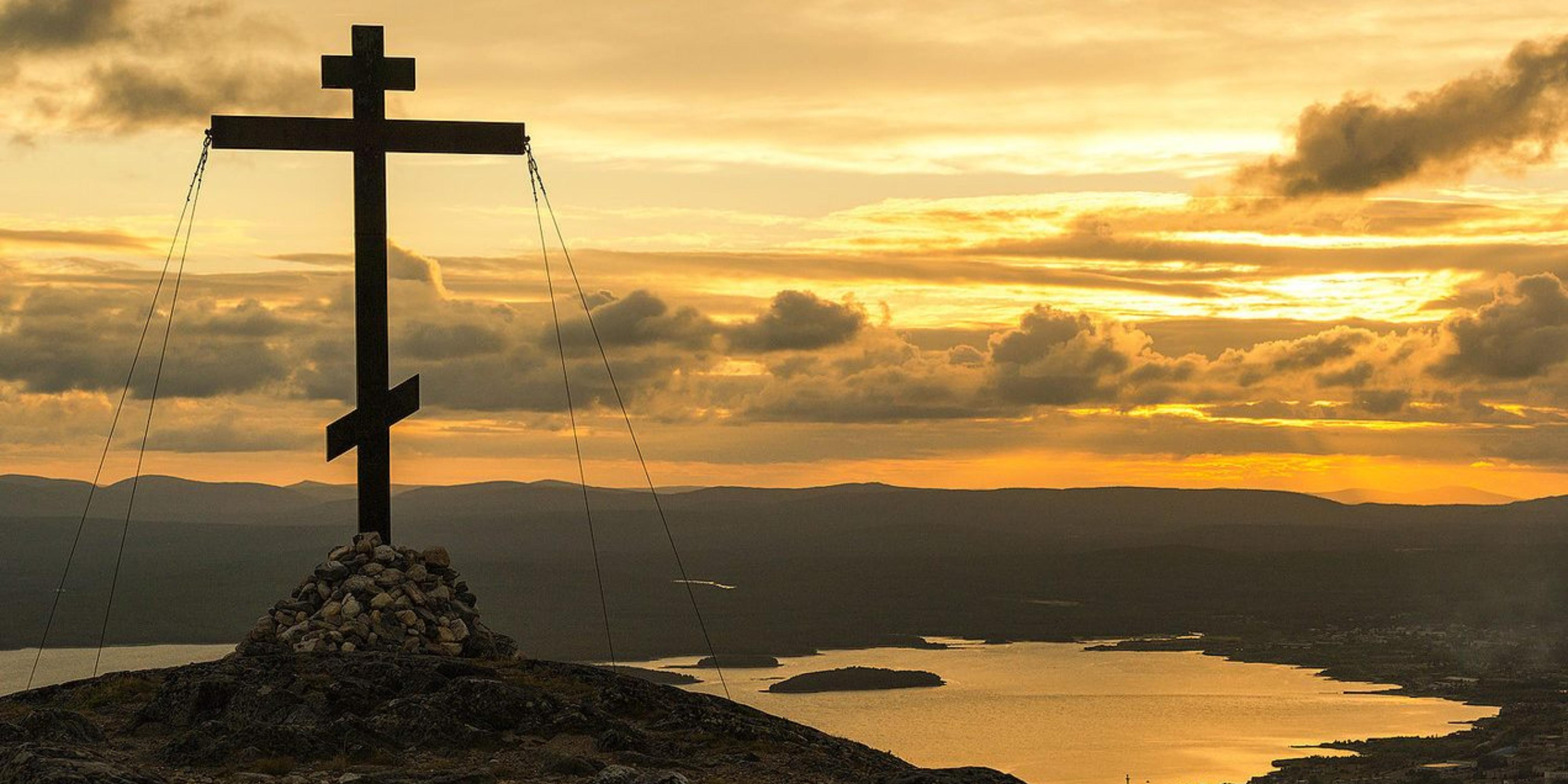
Excavations will resume at the site of the historic Kandalaksha Monastery

Возобновятся раскопки на месте исторического Кандалакшского монастыря

In 2020, excavations will continue at the site of the Kandalaksha Monastery, which operated in the 16th-18th centuries. This was reported by 'Murmanskiy Vestnik' with reference to the local diocese of the Russian Orthodox Church.
The local brethren were engaged in deforestation, fishing, hunting, and salt production; several dozen peasants who lived at the holy monastery also worked in the monastic crafts. Throughout its history, the Kandalaksha Monastery has been devastated and burned by the Swedes more than once, and its inhabitants were exterminated. Many mystical legends are associated with the holy abode, which have survived in oral transmission and in ethnographers' records to this day.

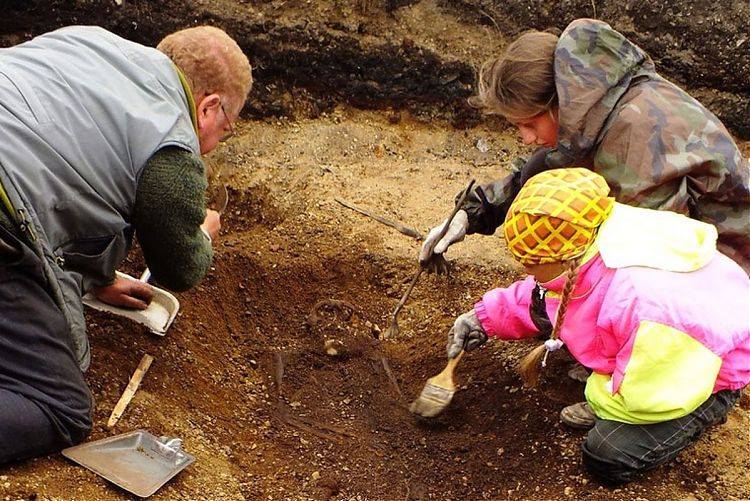
Mark Shakhnovich, an archaeologist of the National Museum of Karelia, in 2013 and 2015 already carried out archaeological surveys at the site of the Church of the Nativity of the Blessed Virgin Mary at the Navolok Monastery. The church of the holy monastery was located on the edge of the sandy area of the coastal slope of the estuary cape - where the Niva River flows into the White Sea. Only the stone foundation of the monastery church has survived to this day.

Research by archaeologists has made it possible to obtain a lot of valuable information about the life of the monastery and its main temple for four hundred recent years. In particular, a foundation structure made of stones, a log altar barrier, and stone pavements were found in the church basement. In the deaconnik - the southern part of the altar - an atypical double male burial was discovered. Perhaps the excavations, which will resume with the onset of warmth, will reveal this and other secrets of the ancient Kandalaksha monastery.

Share:
Excavations will resume at the site of the historic Kandalaksha Monastery Excavations will resume at the site of the historic Kandalaksha Monastery In 2020, excavations will continue at the site of the Kandalaksha Monastery, which operated in the 16th-18th centuries. This was reported by 'Murmanskiy Vestnik' with reference to the local diocese of the Russian Orthodox Church. The local brethren were engaged in deforestation, fishing, hunting, and salt production; several dozen peasants who lived at the holy monastery also worked in the monastic crafts. Throughout its history, the Kandalaksha Monastery has been devastated and burned by the Swedes more than once, and its inhabitants were exterminated. Many mystical legends are associated with the holy abode, which have survived in oral transmission and in ethnographers' records to this day. Mark Shakhnovich, an archaeologist of the National Museum of Karelia, in 2013 and 2015 already carried out archaeological surveys at the site of the Church of the Nativity of the Blessed Virgin Mary at the Navolok Monastery. The church of the holy monastery was located on the edge of the sandy area of the coastal slope of the estuary cape - where the Niva River flows into the White Sea. Only the stone foundation of the monastery church has survived to this day. Research by archaeologists has made it possible to obtain a lot of valuable information about the life of the monastery and its main temple for four hundred recent years. In particular, a foundation structure made of stones, a log altar barrier, and stone pavements were found in the church basement. In the deaconnik - the southern part of the altar - an atypical double male burial was discovered. Perhaps the excavations, which will resume with the onset of warmth, will reveal this and other secrets of the ancient Kandalaksha monastery.
In 2020, excavations will continue at the site of the Kandalaksha Monastery, which operated in the 16th-18th centuries. This was reported by 'Murmanskiy Vestnik' with reference to the local diocese of the Russian Orthodox Church. The local brethren were engaged in deforestation, fishing, hunting, and salt production; several dozen peasants who lived at the holy monastery also worked in the monastic crafts. Throughout its history, the Kandalaksha Monastery has been devastated and burned by the Swedes more than once, and its inhabitants were exterminated. Many mystical legends are associated with the holy abode, which have survived in oral transmission and in ethnographers' records to this day. Mark Shakhnovich, an archaeologist of the National Museum of Karelia, in 2013 and 2015 already carried out archaeological surveys at the site of the Church of the Nativity of the Blessed Virgin Mary at the Navolok Monastery. The church of the holy monastery was located on the edge of the sandy area of the coastal slope of the estuary cape - where the Niva River flows into the White Sea. Only the stone foundation of the monastery church has survived to this day. Research by archaeologists has made it possible to obtain a lot of valuable information about the life of the monastery and its main temple for four hundred recent years. In particular, a foundation structure made of stones, a log altar barrier, and stone pavements were found in the church basement. In the deaconnik - the southern part of the altar - an atypical double male burial was discovered. Perhaps the excavations, which will resume with the onset of warmth, will reveal this and other secrets of the ancient Kandalaksha monastery.