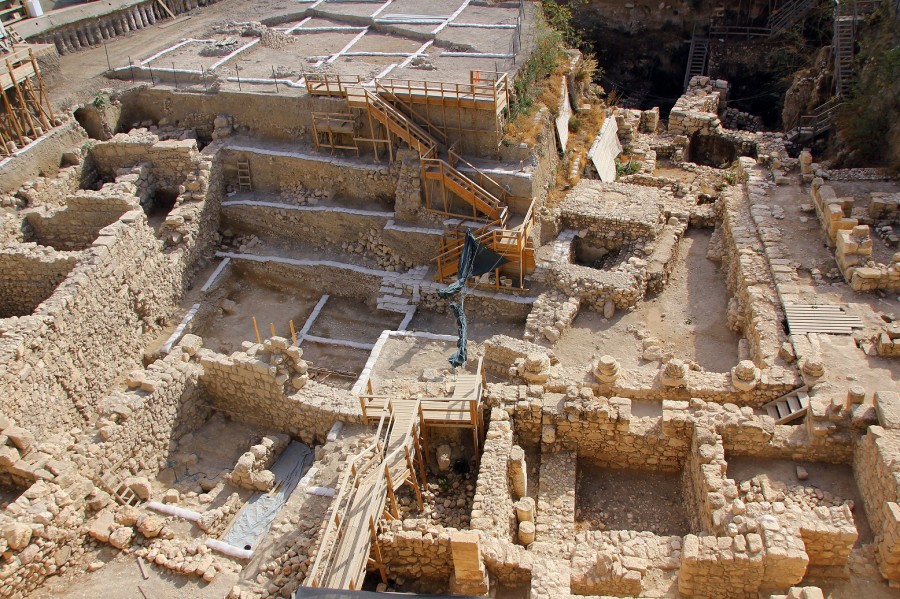
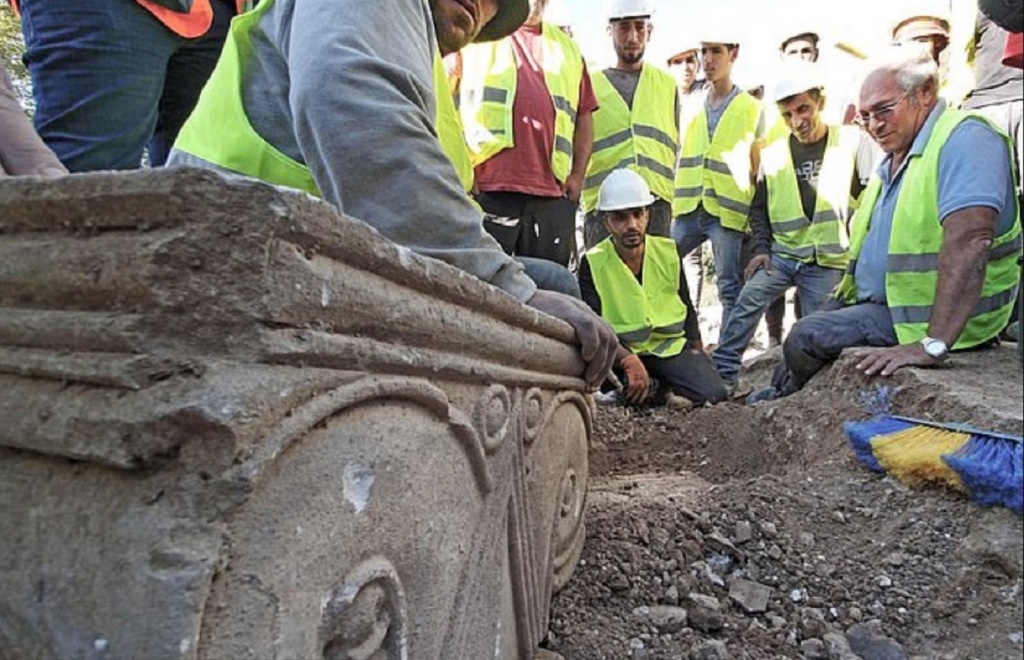
The ruins of the royal palace, about two and a half thousand years old, were discovered by archaeologists in Jerusalem. The portal 'Popular Mechanics' reports about the find with a link to the website of the Israel Antiquities Authority. Колонна с характерными капителями The majestic palace was located outside the city walls and, according to the assumption of archaeologists, turned into ruins during the capture of the city by the Babylonian army in 856 BC. Interestingly, after the destruction, someone took care of saving the architectural elements of the building: its fragments were carefully buried, and the columns were stacked one on top of the other. “At the moment it is still difficult to say who hid the capitals and why these people did so,” excavation director Yaakov Billig comments on the find. As scientists assume, the palace was erected after the siege of the city by the Assyrians in 701 BC, which ended in failure for the conquerors. From then until the building was destroyed, eight kings took turns ruling the country; five of them are mentioned in the genealogy of the Lord Jesus Christ. The fact that the palace of the era of the First Temple was precisely the royal one is unambiguously indicated by the shape of the capitals found for a long time known to historians - exactly this can be seen, for example, on a modern Israeli coin in denominations of 5 shekels. The location of the palace outside the city walls can speak of the sense of security that the Jerusalemites had after the Assyrians suffered a military setback. “This discovery is a testament to the resurgence of the city after the siege,” adds Professor Billig. “We found houses, mansions and government buildings in the vicinity of the city. This testifies to the relief experienced by the residents of the city and the restoration of the development of Jerusalem after the threat has passed. '
Ruins of the royal palace found in JerusalemRuins of the royal palace found in JerusalemThe ruins of the royal palace, about two and a half thousand years old, were discovered by archaeologists in Jerusalem. The portal 'Popular Mechanics' reports about the find with a link to the website of the Israel Antiquities Authority. Колонна с характерными капителями The majestic palace was located outside the city walls and, according to the assumption of archaeologists, turned into ruins during the capture of the city by the Babylonian army in 856 BC. Interestingly, after the destruction, someone took care of saving the architectural elements of the building: its fragments were carefully buried, and the columns were stacked one on top of the other. “At the moment it is still difficult to say who hid the capitals and why these people did so,” excavation director Yaakov Billig comments on the find. As scientists assume, the palace was erected after the siege of the city by the Assyrians in 701 BC, which ended in failure for the conquerors. From then until the building was destroyed, eight kings took turns ruling the country; five of them are mentioned in the genealogy of the Lord Jesus Christ. The fact that the palace of the era of the First Temple was precisely the royal one is unambiguously indicated by the shape of the capitals found for a long time known to historians - exactly this can be seen, for example, on a modern Israeli coin in denominations of 5 shekels. The location of the palace outside the city walls can speak of the sense of security that the Jerusalemites had after the Assyrians suffered a military setback. “This discovery is a testament to the resurgence of the city after the siege,” adds Professor Billig. “We found houses, mansions and government buildings in the vicinity of the city. This testifies to the relief experienced by the residents of the city and the restoration of the development of Jerusalem after the threat has passed. 'Свеча Иерусалима -en
The ruins of the royal palace, about two and a half thousand years old, were discovered by archaeologists in Jerusalem. The portal 'Popular Mechanics' reports about the find with a link to the website of the Israel Antiquities Authority. Колонна с характерными капителями The majestic palace was located outside the city walls and, according to the assumption of archaeologists, turned into ruins during the capture of the city by the Babylonian army in 856 BC. Interestingly, after the destruction, someone took care of saving the architectural elements of the building: its fragments were carefully buried, and the columns were stacked one on top of the other. “At the moment it is still difficult to say who hid the capitals and why these people did so,” excavation director Yaakov Billig comments on the find. As scientists assume, the palace was erected after the siege of the city by the Assyrians in 701 BC, which ended in failure for the conquerors. From then until the building was destroyed, eight kings took turns ruling the country; five of them are mentioned in the genealogy of the Lord Jesus Christ. The fact that the palace of the era of the First Temple was precisely the royal one is unambiguously indicated by the shape of the capitals found for a long time known to historians - exactly this can be seen, for example, on a modern Israeli coin in denominations of 5 shekels. The location of the palace outside the city walls can speak of the sense of security that the Jerusalemites had after the Assyrians suffered a military setback. “This discovery is a testament to the resurgence of the city after the siege,” adds Professor Billig. “We found houses, mansions and government buildings in the vicinity of the city. This testifies to the relief experienced by the residents of the city and the restoration of the development of Jerusalem after the threat has passed. '