Beheading of the Head of the Prophet, Forerunner and Baptist of the Lord John
11 September 2020
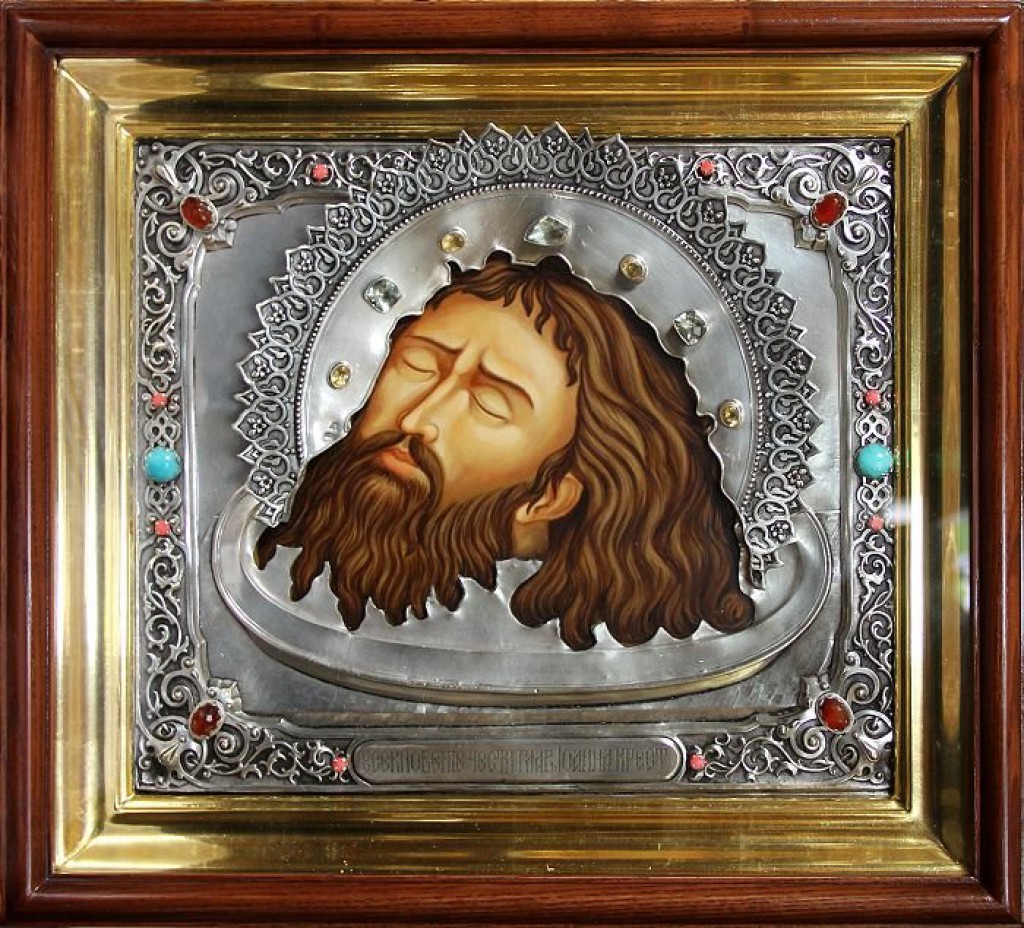
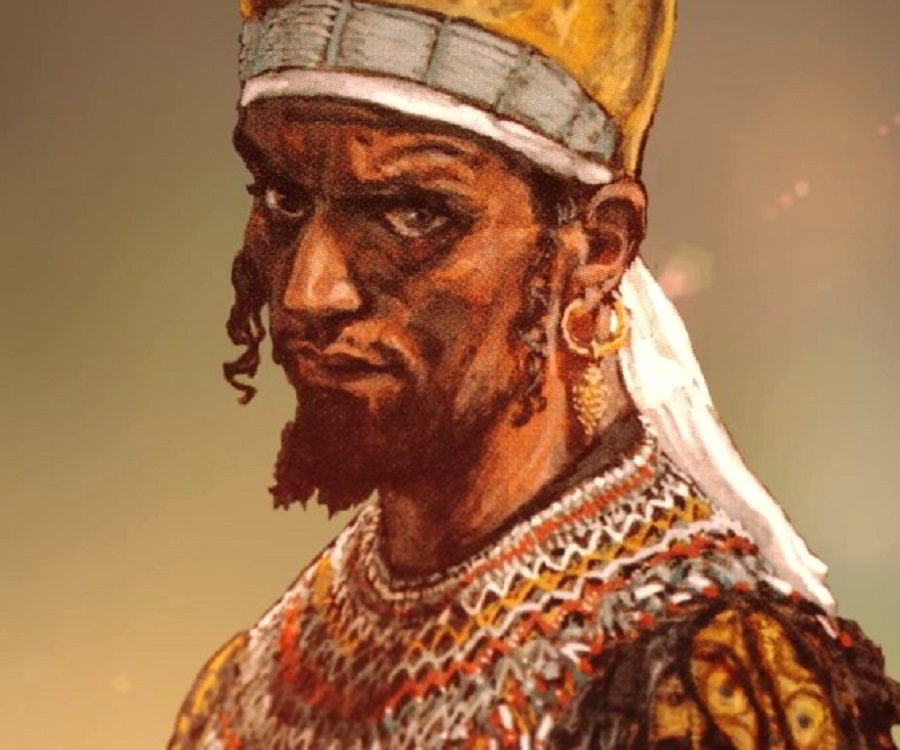
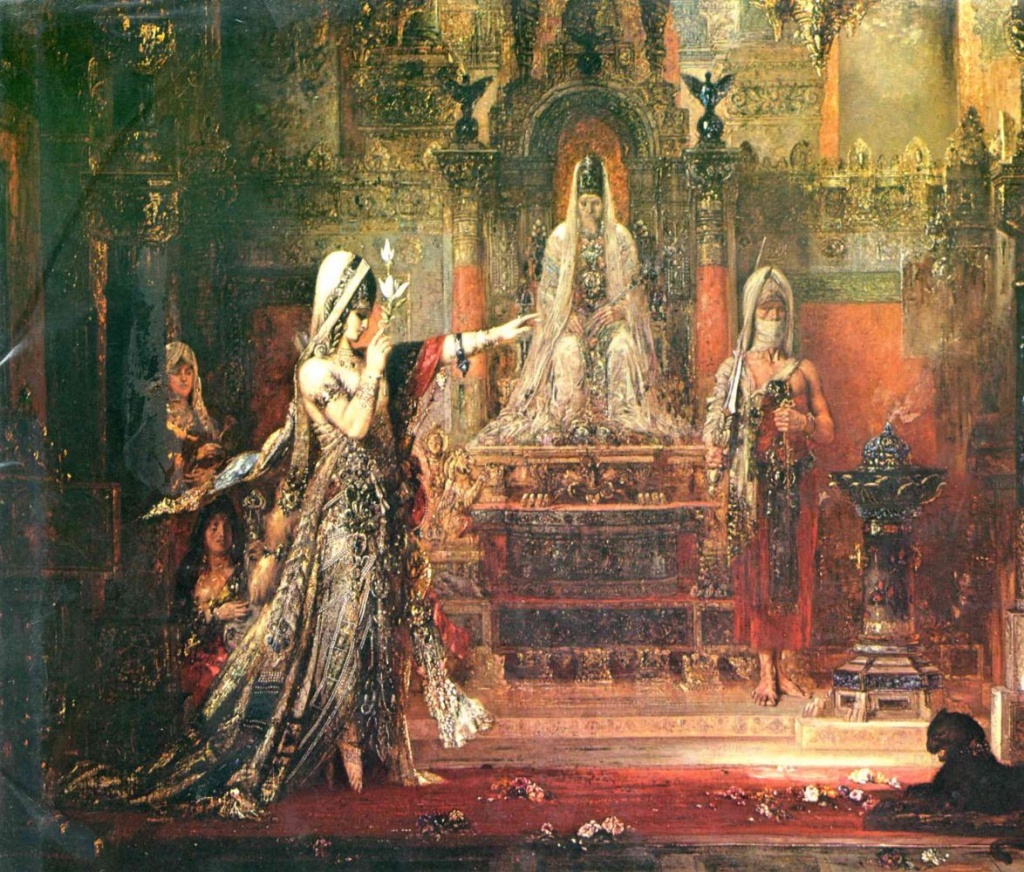
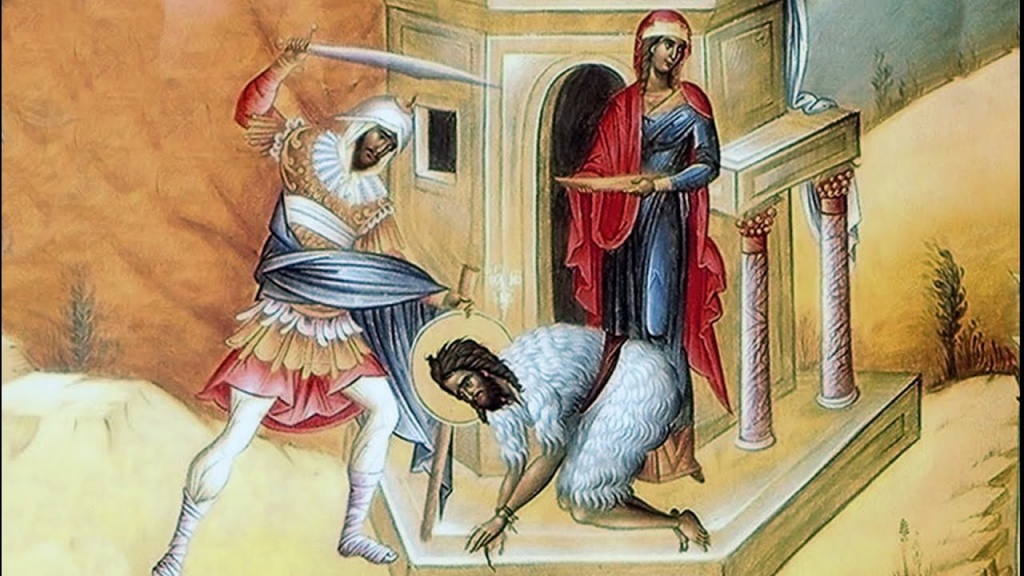
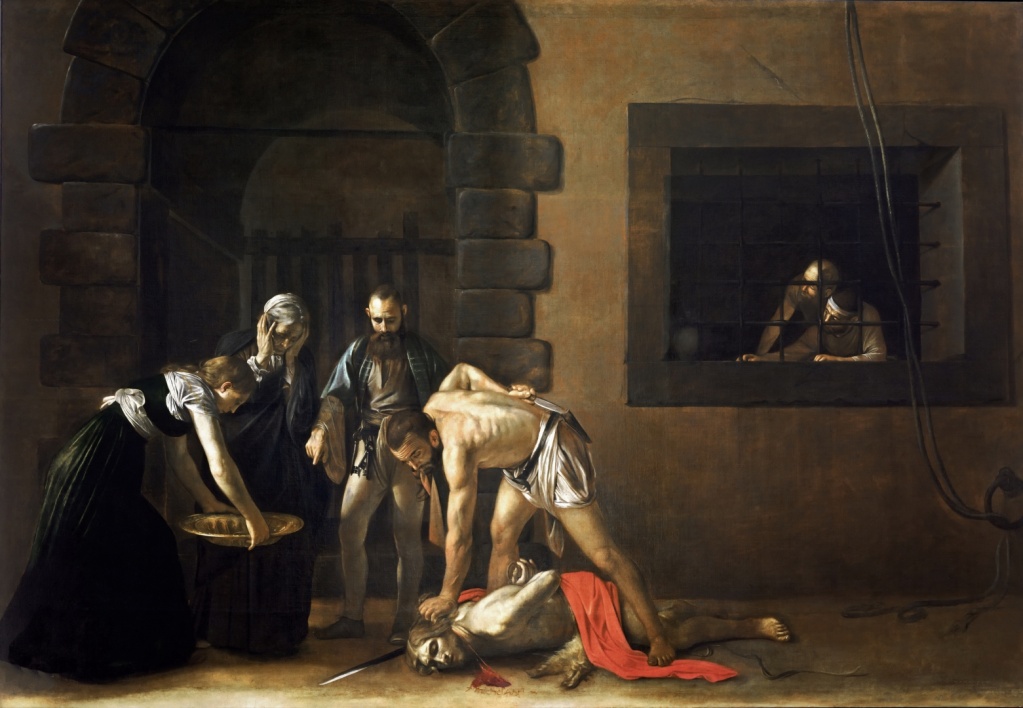
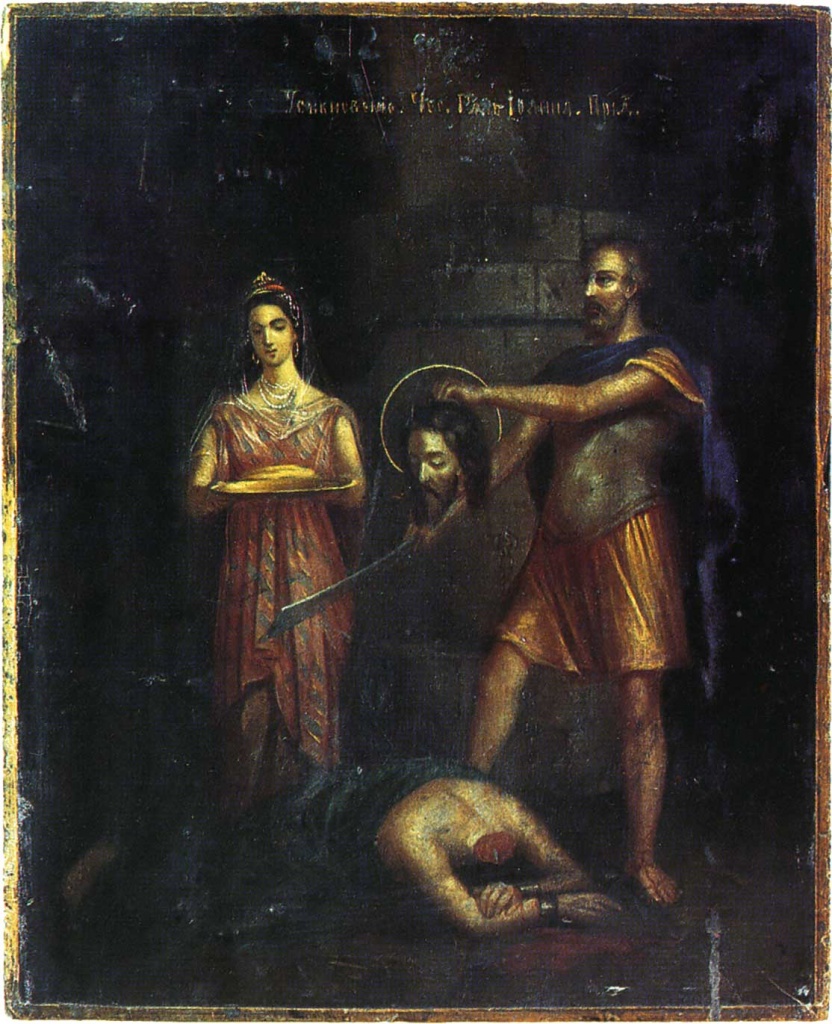
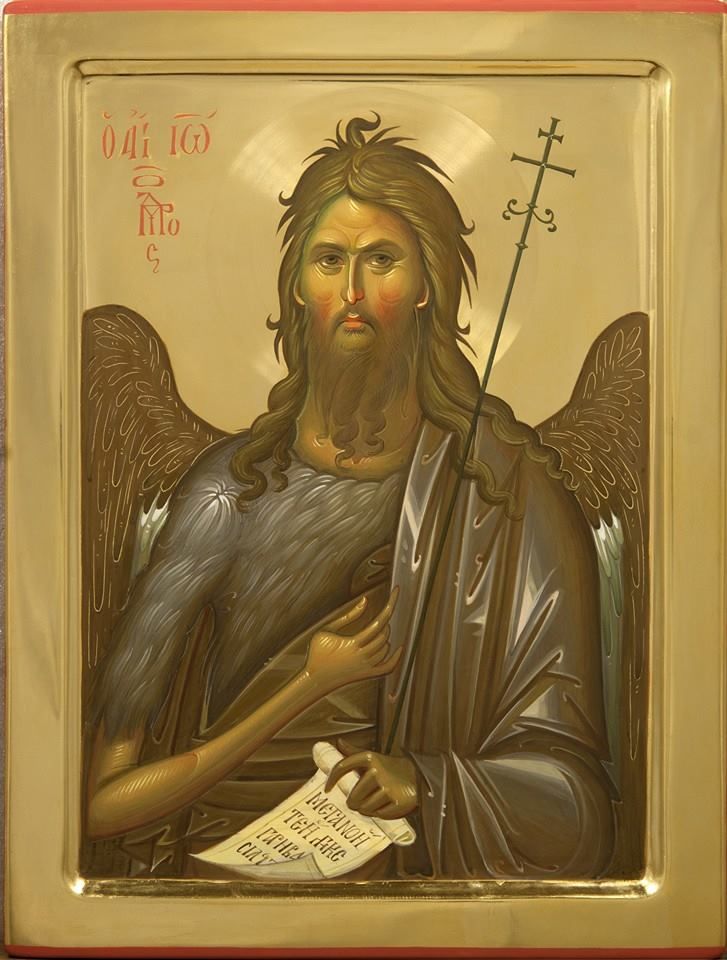
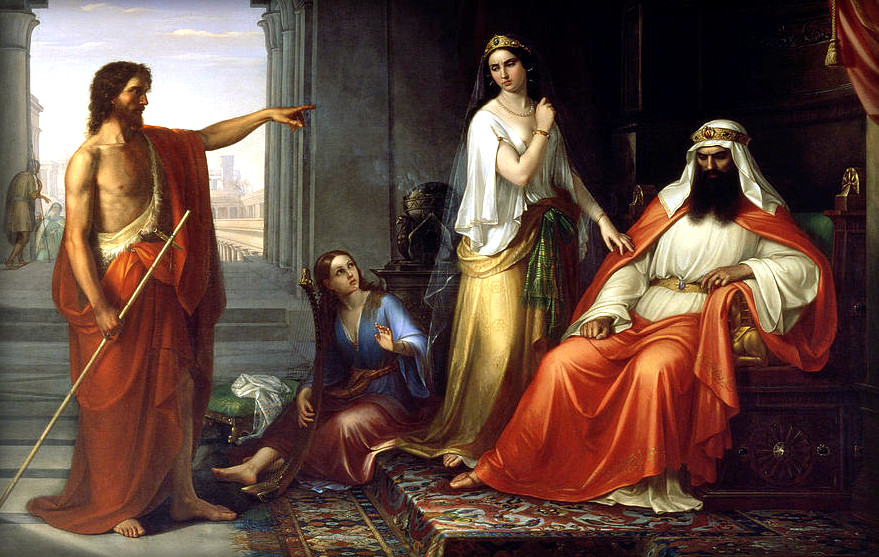
On September 11, in a new style, Orthodox believers prayerfully commemorate the Beheading of the Honorable Head of St. John the Forerunner, who was honored during his life with the great honor - to baptize the Lord Jesus Christ Himself. The martyrdom of the last of the prophets of Holy Scripture from the first centuries of Christianity was remembered annually by believers with reverence - and this date itself is a day of especially strict fasting today. Ирод Антипа The end of the life of 'the greatest of those born of wives' of man is described by two evangelists - Matthew (14: 1-12) and Mark (6: 14-29). When Herod the Great ('famous' in the centuries for beating infants so much that his very name became a household name, meaning a fanatic) died, the Romans divided the Holy Land into quarters, appointing in each of them their henchman - a 'four-ruler'. One of them, who received control of Galilee, was Herod Antipas. Although this Herod did not destroy the children, but leaving his own wife, the daughter of the king of Arabia Aretha, he cohabited with the wife of his brother Philip - Herodias. For which he was denounced more than once by Saint John the Baptist. If Herod Antipas himself listened to John the Baptist from time to time, even imprisoning him in prison, then his concubine, Herodias, felt an ascetic exclusively hateful feelings. Танец Саломеи. Гюстав Моро Once the daughter of Herodias, Salome, danced at a feast on the occasion of the birth of Herod, thus winning his favor. The four-ruler invited the dancer to ask him for whatever she wanted, up to half of the territory he ruled. Salome, on the advice of her vengeful mother, asked Herod for the head of John the Baptist. Herod was embarrassed, fearing the people's anger for the murder of the prophet revered by the people, but he could no longer back down from his word. By his order, the executioner went down to the dungeon where the Baptist was kept, cut off his head and brought it to the hall where the feast was going on. According to Tradition, the Head lying on a platter opened her mouth and said for the last time: 'Herod, you must not have a wife of your brother Philip!' After that, Salome pulled out the tongue of the righteous man and in a rage pricked it with a pin - and then withdrew and buried the Honest Head in an unclean place. Усекновение главы Иоанна Крестителя. Фреска в церкви The reign of Herod the Four-Sovereign continued for some time after the events described. (the Evangelist Luke says that Pilate sent a bound Christ to him - Luke 23: 7-12). But those were years of fear and incessant expectation of retribution from the Lord God for what he had done. When Christ went out to preach, Herod was horrified, thinking that it was John who rose from the dead and works miracles. Казнь Иоанна Крестителя. Караваджо Salome also faced reckoning. Tradition says that, crossing the ice-bound Sikoris River into an unusually frosty winter, it fell through the ice. But not completely: her body was under water, and her head was sticking out over the ice. The ice floes, having closed, cut her neck - and Salome's head remained on the surface. The bodies were never found, but the head was brought to Herod and Herodias - just as they once brought the Honorable Head of John the Baptist into the banquet hall. Herod's reign ended ingloriously. Angered by the dishonor to which his daughter was subjected, the Arabian king Arefah sent troops to Galilee and inflicted a cruel defeat on the four-ruler. The Roman emperor Caligula, learning about the lost battle and its reasons, became angry and deprived Herod of power. Together with Herodias, he, as an exile, went first to Gaul, and then to Spain, where they both ended their lives, abandoned and forgotten. all. Сюжет Усекновения Честной Главы на старинной иконе After his murder, the body of John the Baptist was buried with the greatest respect in Samaria, in the city of Sebastia, by the hands of the disciples. And his Honorable Head was put in a vessel and buried on the Mount of Olives. Its acquisition, the subsequent hiding and its re-acquisition are celebrated by the church on other days. And today we will not touch on these events (as well as the fate of the Head during the times of iconoclastic persecution). Пророк Иоанн Креститель The beheading of John the Baptist, as already mentioned, is a day of strict fasting. The Typicon says about this day: 'We will not be accomplices of Herod's gluttony.' The tradition of fasting on this day comes, apparently, from the early Christian communities of the Holy Land. Already in the Rite of the Lavra of the Monk Sava the Sanctified (5th century AD), in the Kidron Valley, it is said that fasting on this day was 'bequeathed by the ancient holy fathers.' Иоанн Креститель обличает Ирода Четверовластника Nowadays, parts The Honest Head of the Forerunner and the Baptist of the Lord John are in different places. The front part of the Chapter is in the cathedral of French Amiens, another part is in the Lavra of St. Athanasius the Great on Mount Athos. The tomb of the prophet with another part of his Head is located in the Umayyad mosque, in Syrian Damascus. Particles of the Honorable Head are also in the capital of Russia - for example, in the St. John the Baptist convent and the temple of the Vladimir Icon of the Most Holy Theotokos in Vinogradovo. In conclusion, it will be appropriate to recall the numerous superstitions associated with the day of the Beheading of John the Baptist. In some countries, it is considered reprehensible on this day to eat red fruits and drink drinks of the same color. In others, there are round-shaped foods (cheese, watermelons, tomatoes, and so on) or use round tableware (plates, tureens). Thirdly, use cutting and chopping tools on this day. Of course, there is no piety in following such superstitions. And sometimes hobby for them brings direct harm. In the wonderful novel of the Tersk writer Andrei Gubin, 'She-Wolf's Milk', the case is described when the Cossacks, during the oncoming cavalry battle with the Red Army on September 11, abandoned the use of knives - and for this reason did not win. So that it is best to attend the liturgy in the church on this day. And if this is not possible, at least refrain from personal affairs and troubles that can be postponed for later, and honor the memory of the Prophet, Forerunner and Baptist of the Lord John with prayer.
To the Baptist of Christ, the honest Forerunner, the last prophet, the first martyr, the confessor and the hermits, the teacher of purity and the close friend of Christ! I pray to you, and I run to you, do not take me away from your intercession, do not leave me for the fallen sins of many; renew my soul by repentance, as by a second baptism; cleanse me, the sins of the defiled one, and bring me in, perhaps nothing well enters into the Kingdom of Heaven. Amen.
Beheading of the Head of the Prophet, Forerunner and Baptist of the Lord JohnBeheading of the Head of the Prophet, Forerunner and Baptist of the Lord John On September 11, in a new style, Orthodox believers prayerfully commemorate the Beheading of the Honorable Head of St. John the Forerunner, who was honored during his life with the great honor - to baptize the Lord Jesus Christ Himself. The martyrdom of the last of the prophets of Holy Scripture from the first centuries of Christianity was remembered annually by believers with reverence - and this date itself is a day of especially strict fasting today. Ирод Антипа The end of the life of 'the greatest of those born of wives' of man is described by two evangelists - Matthew (14: 1-12) and Mark (6: 14-29). When Herod the Great ('famous' in the centuries for beating infants so much that his very name became a household name, meaning a fanatic) died, the Romans divided the Holy Land into quarters, appointing in each of them their henchman - a 'four-ruler'. One of them, who received control of Galilee, was Herod Antipas. Although this Herod did not destroy the children, but leaving his own wife, the daughter of the king of Arabia Aretha, he cohabited with the wife of his brother Philip - Herodias. For which he was denounced more than once by Saint John the Baptist. If Herod Antipas himself listened to John the Baptist from time to time, even imprisoning him in prison, then his concubine, Herodias, felt an ascetic exclusively hateful feelings. Танец Саломеи. Гюстав Моро Once the daughter of Herodias, Salome, danced at a feast on the occasion of the birth of Herod, thus winning his favor. The four-ruler invited the dancer to ask him for whatever she wanted, up to half of the territory he ruled. Salome, on the advice of her vengeful mother, asked Herod for the head of John the Baptist. Herod was embarrassed, fearing the people's anger for the murder of the prophet revered by the people, but he could no longer back down from his word. By his order, the executioner went down to the dungeon where the Baptist was kept, cut off his head and brought it to the hall where the feast was going on. According to Tradition, the Head lying on a platter opened her mouth and said for the last time: 'Herod, you must not have a wife of your brother Philip!' After that, Salome pulled out the tongue of the righteous man and in a rage pricked it with a pin - and then withdrew and buried the Honest Head in an unclean place. Усекновение главы Иоанна Крестителя. Фреска в церкви The reign of Herod the Four-Sovereign continued for some time after the events described. (the Evangelist Luke says that Pilate sent a bound Christ to him - Luke 23: 7-12). But those were years of fear and incessant expectation of retribution from the Lord God for what he had done. When Christ went out to preach, Herod was horrified, thinking that it was John who rose from the dead and works miracles. Казнь Иоанна Крестителя. Караваджо Salome also faced reckoning. Tradition says that, crossing the ice-bound Sikoris River into an unusually frosty winter, it fell through the ice. But not completely: her body was under water, and her head was sticking out over the ice. The ice floes, having closed, cut her neck - and Salome's head remained on the surface. The bodies were never found, but the head was brought to Herod and Herodias - just as they once brought the Honorable Head of John the Baptist into the banquet hall. Herod's reign ended ingloriously. Angered by the dishonor to which his daughter was subjected, the Arabian king Arefah sent troops to Galilee and inflicted a cruel defeat on the four-ruler. The Roman emperor Caligula, learning about the lost battle and its reasons, became angry and deprived Herod of power. Together with Herodias, he, as an exile, went first to Gaul, and then to Spain, where they both ended their lives, abandoned and forgotten. all. Сюжет Усекновения Честной Главы на старинной иконе After his murder, the body of John the Baptist was buried with the greatest respect in Samaria, in the city of Sebastia, by the hands of the disciples. And his Honorable Head was put in a vessel and buried on the Mount of Olives. Its acquisition, the subsequent hiding and its re-acquisition are celebrated by the church on other days. And today we will not touch on these events (as well as the fate of the Head during the times of iconoclastic persecution). Пророк Иоанн Креститель The beheading of John the Baptist, as already mentioned, is a day of strict fasting. The Typicon says about this day: 'We will not be accomplices of Herod's gluttony.' The tradition of fasting on this day comes, apparently, from the early Christian communities of the Holy Land. Already in the Rite of the Lavra of the Monk Sava the Sanctified (5th century AD), in the Kidron Valley, it is said that fasting on this day was 'bequeathed by the ancient holy fathers.' Иоанн Креститель обличает Ирода Четверовластника Nowadays, parts The Honest Head of the Forerunner and the Baptist of the Lord John are in different places. The front part of the Chapter is in the cathedral of French Amiens, another part is in the Lavra of St. Athanasius the Great on Mount Athos. The tomb of the prophet with another part of his Head is located in the Umayyad mosque, in Syrian Damascus. Particles of the Honorable Head are also in the capital of Russia - for example, in the St. John the Baptist convent and the temple of the Vladimir Icon of the Most Holy Theotokos in Vinogradovo. In conclusion, it will be appropriate to recall the numerous superstitions associated with the day of the Beheading of John the Baptist. In some countries, it is considered reprehensible on this day to eat red fruits and drink drinks of the same color. In others, there are round-shaped foods (cheese, watermelons, tomatoes, and so on) or use round tableware (plates, tureens). Thirdly, use cutting and chopping tools on this day. Of course, there is no piety in following such superstitions. And sometimes hobby for them brings direct harm. In the wonderful novel of the Tersk writer Andrei Gubin, 'She-Wolf's Milk', the case is described when the Cossacks, during the oncoming cavalry battle with the Red Army on September 11, abandoned the use of knives - and for this reason did not win. So that it is best to attend the liturgy in the church on this day. And if this is not possible, at least refrain from personal affairs and troubles that can be postponed for later, and honor the memory of the Prophet, Forerunner and Baptist of the Lord John with prayer. To the Baptist of Christ, the honest Forerunner, the last prophet, the first martyr, the confessor and the hermits, the teacher of purity and the close friend of Christ! I pray to you, and I run to you, do not take me away from your intercession, do not leave me for the fallen sins of many; renew my soul by repentance, as by a second baptism; cleanse me, the sins of the defiled one, and bring me in, perhaps nothing well enters into the Kingdom of Heaven. Amen.Свеча Иерусалима -en
On September 11, in a new style, Orthodox believers prayerfully commemorate the Beheading of the Honorable Head of St. John the Forerunner, who was honored during his life with the great honor - to baptize the Lord Jesus Christ Himself. The martyrdom of the last of the prophets of Holy Scripture from the first centuries of Christianity was remembered annually by believers with reverence - and this date itself is a day of especially strict fasting today. Ирод Антипа The end of the life of 'the greatest of those born of wives' of man is described by two evangelists - Matthew (14: 1-12) and Mark (6: 14-29). When Herod the Great ('famous' in the centuries for beating infants so much that his very name became a household name, meaning a fanatic) died, the Romans divided the Holy Land into quarters, appointing in each of them their henchman - a 'four-ruler'. One of them, who received control of Galilee, was Herod Antipas. Although this Herod did not destroy the children, but leaving his own wife, the daughter of the king of Arabia Aretha, he cohabited with the wife of his brother Philip - Herodias. For which he was denounced more than once by Saint John the Baptist. If Herod Antipas himself listened to John the Baptist from time to time, even imprisoning him in prison, then his concubine, Herodias, felt an ascetic exclusively hateful feelings. Танец Саломеи. Гюстав Моро Once the daughter of Herodias, Salome, danced at a feast on the occasion of the birth of Herod, thus winning his favor. The four-ruler invited the dancer to ask him for whatever she wanted, up to half of the territory he ruled. Salome, on the advice of her vengeful mother, asked Herod for the head of John the Baptist. Herod was embarrassed, fearing the people's anger for the murder of the prophet revered by the people, but he could no longer back down from his word. By his order, the executioner went down to the dungeon where the Baptist was kept, cut off his head and brought it to the hall where the feast was going on. According to Tradition, the Head lying on a platter opened her mouth and said for the last time: 'Herod, you must not have a wife of your brother Philip!' After that, Salome pulled out the tongue of the righteous man and in a rage pricked it with a pin - and then withdrew and buried the Honest Head in an unclean place. Усекновение главы Иоанна Крестителя. Фреска в церкви The reign of Herod the Four-Sovereign continued for some time after the events described. (the Evangelist Luke says that Pilate sent a bound Christ to him - Luke 23: 7-12). But those were years of fear and incessant expectation of retribution from the Lord God for what he had done. When Christ went out to preach, Herod was horrified, thinking that it was John who rose from the dead and works miracles. Казнь Иоанна Крестителя. Караваджо Salome also faced reckoning. Tradition says that, crossing the ice-bound Sikoris River into an unusually frosty winter, it fell through the ice. But not completely: her body was under water, and her head was sticking out over the ice. The ice floes, having closed, cut her neck - and Salome's head remained on the surface. The bodies were never found, but the head was brought to Herod and Herodias - just as they once brought the Honorable Head of John the Baptist into the banquet hall. Herod's reign ended ingloriously. Angered by the dishonor to which his daughter was subjected, the Arabian king Arefah sent troops to Galilee and inflicted a cruel defeat on the four-ruler. The Roman emperor Caligula, learning about the lost battle and its reasons, became angry and deprived Herod of power. Together with Herodias, he, as an exile, went first to Gaul, and then to Spain, where they both ended their lives, abandoned and forgotten. all. Сюжет Усекновения Честной Главы на старинной иконе After his murder, the body of John the Baptist was buried with the greatest respect in Samaria, in the city of Sebastia, by the hands of the disciples. And his Honorable Head was put in a vessel and buried on the Mount of Olives. Its acquisition, the subsequent hiding and its re-acquisition are celebrated by the church on other days. And today we will not touch on these events (as well as the fate of the Head during the times of iconoclastic persecution). Пророк Иоанн Креститель The beheading of John the Baptist, as already mentioned, is a day of strict fasting. The Typicon says about this day: 'We will not be accomplices of Herod's gluttony.' The tradition of fasting on this day comes, apparently, from the early Christian communities of the Holy Land. Already in the Rite of the Lavra of the Monk Sava the Sanctified (5th century AD), in the Kidron Valley, it is said that fasting on this day was 'bequeathed by the ancient holy fathers.' Иоанн Креститель обличает Ирода Четверовластника Nowadays, parts The Honest Head of the Forerunner and the Baptist of the Lord John are in different places. The front part of the Chapter is in the cathedral of French Amiens, another part is in the Lavra of St. Athanasius the Great on Mount Athos. The tomb of the prophet with another part of his Head is located in the Umayyad mosque, in Syrian Damascus. Particles of the Honorable Head are also in the capital of Russia - for example, in the St. John the Baptist convent and the temple of the Vladimir Icon of the Most Holy Theotokos in Vinogradovo. In conclusion, it will be appropriate to recall the numerous superstitions associated with the day of the Beheading of John the Baptist. In some countries, it is considered reprehensible on this day to eat red fruits and drink drinks of the same color. In others, there are round-shaped foods (cheese, watermelons, tomatoes, and so on) or use round tableware (plates, tureens). Thirdly, use cutting and chopping tools on this day. Of course, there is no piety in following such superstitions. And sometimes hobby for them brings direct harm. In the wonderful novel of the Tersk writer Andrei Gubin, 'She-Wolf's Milk', the case is described when the Cossacks, during the oncoming cavalry battle with the Red Army on September 11, abandoned the use of knives - and for this reason did not win. So that it is best to attend the liturgy in the church on this day. And if this is not possible, at least refrain from personal affairs and troubles that can be postponed for later, and honor the memory of the Prophet, Forerunner and Baptist of the Lord John with prayer. To the Baptist of Christ, the honest Forerunner, the last prophet, the first martyr, the confessor and the hermits, the teacher of purity and the close friend of Christ! I pray to you, and I run to you, do not take me away from your intercession, do not leave me for the fallen sins of many; renew my soul by repentance, as by a second baptism; cleanse me, the sins of the defiled one, and bring me in, perhaps nothing well enters into the Kingdom of Heaven. Amen.