On the border of the Christian and Islamic worlds, many dramatic actions have played out over the centuries - and even real tragedies, when Christians preferred death to conversion to the cult of Islam. Undoubtedly one of the most striking stories of this kind is the deaths of Greek and Albanian Christians from the Suli highlands in Epirus in the northwestern part of Hellas.
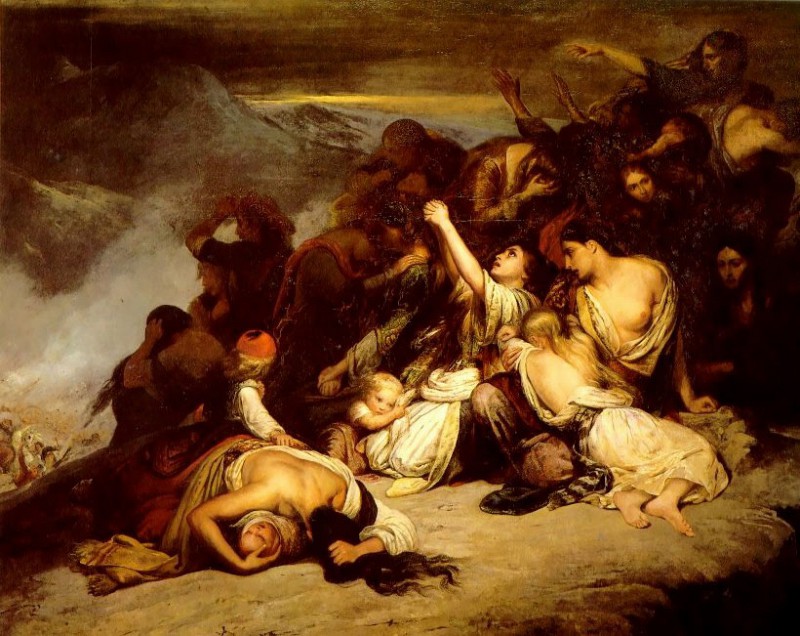
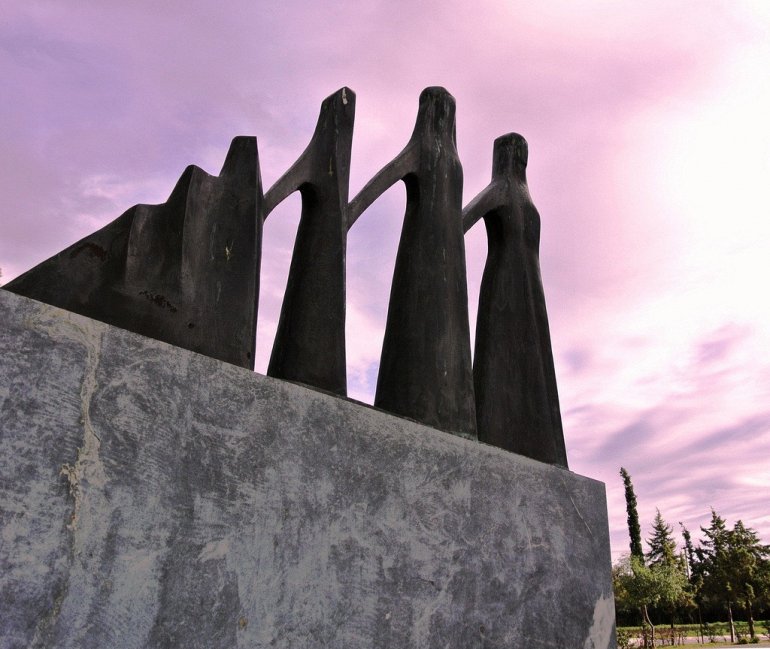
Памятник погибшим сулиотским женщинам Suli is a hard-to-reach area even in modern Greece. In the sixteenth century, it was even more difficult to penetrate here - especially for a large number of troops with weapons, wagons and artillery. Therefore, from the middle of the 16th century, Greek and Albanian Christians began to flock to these places, who did not like the power of the Ottomans and their course of Islamization. It is clear that the Turks did not like the uncontrolled Christian freemen in the territories vassal in relation to the Great Port - but it was difficult for them to reach the Suliots until a certain point in time. The situation changed after the Turks suffered a crushing defeat at the hands of the united army of European states under the walls of Vienna in 1683. For all Christians controlled by the Port and its vassals territories, this time they took it seriously. The first bloody clash between the Turks and the Suliots took place already in 1685. Nevertheless, for more than a century, the Zuliots managed to preserve their native faith and traditional way of life, every now and then repelling the expeditions of Muslims to their area of residence. Having become the ruler of Ioannina in 1789, Ali Pasha decided to humble the rebellious Christians in order to find the special favor of the Sultan. In 1800, Ali Pasha, with 11,500 soldiers under his command, personally led a military expedition to Suli. On the borders of the rebellious territory, he erected several fortifications and began to siege the area where the rebellious highlanders lived. The Muslim ruler hoped to exhaust the Christians with a siege, but they, knowing perfectly well even the smallest folds of the terrain, arranged food supplies along the mountain paths from neighboring Parga. But food was still lacking for the Zuliots; there was also a shortage of weapons, gunpowder and lead - and from the incessant hostilities among them the number of killed and wounded grew. When there were no more than two thousand defenders of Suli left, they managed to negotiate with Ali Pasha's son, Veli Pasha, to leave the area surrounded by Muslims. The elders of the Christian community led their families to Parga - and only one of the groups of Christians, a very small number, consisting of only a hundred families, separated from the rest and went to the mountain monastery of Zalongo to hide behind its powerful walls. This decision was a mistake: remaining in a clear minority, they were immediately surrounded by the Turks. The men engaged the Muslims in battle, fighting the despair of the doomed to die. Actually, this is exactly how it happened: almost all of them perished under the scimitars of the Turks or from shots at point-blank range - but the dedication of the men allowed at least some of their compatriots to escape from the place of extermination of Christians. But there were only a few of those who escaped from there. Several dozen women with children, realizing what awaited them - slave markets, slavery, converting the invaders - chose voluntary death as an alternative to such a fate. Having risen to the dominant height, which on one of the sides fell into an abyss, the women first threw their children into a terrible abyss, and then, holding hands, in front of the amazed Turks, they staged a deadly round dance. Approaching the abyss, each of the women let go of the hand that followed her - and fell down. This continued until the last of the women disappeared into the abyss. This is what the legend says about the Dance of Zalongo. Perhaps it heroizes some of the nuances of what happened, the number of women is also called differently by different authors (22 - the English traveler William Martin, 60 - the Greek Christopher Perrevos, who lived among the Suliots, 100 - the Albanian Suleman-aga who served the Ottomans) - but in general everything was like this: one after another, all the Christian women who were on the mountain threw themselves into the abyss. We will not judge the extent to which their act correlates with the spirit and letter of faith to which they remained faithful, leaving this right to theologians and historians. We will only note that this story became widely known in the twenties of the XIX century and strongly inspired Christians during the war for the independence of Greece. The war, in which they won, restoring Greece's national independence and the right to practice their native faith. And on Mount Zalongo, a monument was erected in remembrance of the deed of the Zuliot women. Echoes of the story of the 'Dance of Zalongo', like an echo, were heard for many decades in different regions and lands inhabited by different peoples. For example, after the end of the Caucasian War in 1864, Russian ethnographers noted the emergence of a peculiar version of this story in the Western Caucasus.
Pages of history. Death of Zuliot ChristiansPages of history. Death of Zuliot Christians On the border of the Christian and Islamic worlds, many dramatic actions have played out over the centuries - and even real tragedies, when Christians preferred death to conversion to the cult of Islam. Undoubtedly one of the most striking stories of this kind is the deaths of Greek and Albanian Christians from the Suli highlands in Epirus in the northwestern part of Hellas. Памятник погибшим сулиотским женщинам Suli is a hard-to-reach area even in modern Greece. In the sixteenth century, it was even more difficult to penetrate here - especially for a large number of troops with weapons, wagons and artillery. Therefore, from the middle of the 16th century, Greek and Albanian Christians began to flock to these places, who did not like the power of the Ottomans and their course of Islamization. It is clear that the Turks did not like the uncontrolled Christian freemen in the territories vassal in relation to the Great Port - but it was difficult for them to reach the Suliots until a certain point in time. The situation changed after the Turks suffered a crushing defeat at the hands of the united army of European states under the walls of Vienna in 1683. For all Christians controlled by the Port and its vassals territories, this time they took it seriously. The first bloody clash between the Turks and the Suliots took place already in 1685. Nevertheless, for more than a century, the Zuliots managed to preserve their native faith and traditional way of life, every now and then repelling the expeditions of Muslims to their area of residence. Having become the ruler of Ioannina in 1789, Ali Pasha decided to humble the rebellious Christians in order to find the special favor of the Sultan. In 1800, Ali Pasha, with 11,500 soldiers under his command, personally led a military expedition to Suli. On the borders of the rebellious territory, he erected several fortifications and began to siege the area where the rebellious highlanders lived. The Muslim ruler hoped to exhaust the Christians with a siege, but they, knowing perfectly well even the smallest folds of the terrain, arranged food supplies along the mountain paths from neighboring Parga. But food was still lacking for the Zuliots; there was also a shortage of weapons, gunpowder and lead - and from the incessant hostilities among them the number of killed and wounded grew. When there were no more than two thousand defenders of Suli left, they managed to negotiate with Ali Pasha's son, Veli Pasha, to leave the area surrounded by Muslims. The elders of the Christian community led their families to Parga - and only one of the groups of Christians, a very small number, consisting of only a hundred families, separated from the rest and went to the mountain monastery of Zalongo to hide behind its powerful walls. This decision was a mistake: remaining in a clear minority, they were immediately surrounded by the Turks. The men engaged the Muslims in battle, fighting the despair of the doomed to die. Actually, this is exactly how it happened: almost all of them perished under the scimitars of the Turks or from shots at point-blank range - but the dedication of the men allowed at least some of their compatriots to escape from the place of extermination of Christians. But there were only a few of those who escaped from there. Several dozen women with children, realizing what awaited them - slave markets, slavery, converting the invaders - chose voluntary death as an alternative to such a fate. Having risen to the dominant height, which on one of the sides fell into an abyss, the women first threw their children into a terrible abyss, and then, holding hands, in front of the amazed Turks, they staged a deadly round dance. Approaching the abyss, each of the women let go of the hand that followed her - and fell down. This continued until the last of the women disappeared into the abyss. This is what the legend says about the Dance of Zalongo. Perhaps it heroizes some of the nuances of what happened, the number of women is also called differently by different authors (22 - the English traveler William Martin, 60 - the Greek Christopher Perrevos, who lived among the Suliots, 100 - the Albanian Suleman-aga who served the Ottomans) - but in general everything was like this: one after another, all the Christian women who were on the mountain threw themselves into the abyss. We will not judge the extent to which their act correlates with the spirit and letter of faith to which they remained faithful, leaving this right to theologians and historians. We will only note that this story became widely known in the twenties of the XIX century and strongly inspired Christians during the war for the independence of Greece. The war, in which they won, restoring Greece's national independence and the right to practice their native faith. And on Mount Zalongo, a monument was erected in remembrance of the deed of the Zuliot women. Echoes of the story of the 'Dance of Zalongo', like an echo, were heard for many decades in different regions and lands inhabited by different peoples. For example, after the end of the Caucasian War in 1864, Russian ethnographers noted the emergence of a peculiar version of this story in the Western Caucasus.Свеча Иерусалима -en
On the border of the Christian and Islamic worlds, many dramatic actions have played out over the centuries - and even real tragedies, when Christians preferred death to conversion to the cult of Islam. Undoubtedly one of the most striking stories of this kind is the deaths of Greek and Albanian Christians from the Suli highlands in Epirus in the northwestern part of Hellas. Памятник погибшим сулиотским женщинам Suli is a hard-to-reach area even in modern Greece. In the sixteenth century, it was even more difficult to penetrate here - especially for a large number of troops with weapons, wagons and artillery. Therefore, from the middle of the 16th century, Greek and Albanian Christians began to flock to these places, who did not like the power of the Ottomans and their course of Islamization. It is clear that the Turks did not like the uncontrolled Christian freemen in the territories vassal in relation to the Great Port - but it was difficult for them to reach the Suliots until a certain point in time. The situation changed after the Turks suffered a crushing defeat at the hands of the united army of European states under the walls of Vienna in 1683. For all Christians controlled by the Port and its vassals territories, this time they took it seriously. The first bloody clash between the Turks and the Suliots took place already in 1685. Nevertheless, for more than a century, the Zuliots managed to preserve their native faith and traditional way of life, every now and then repelling the expeditions of Muslims to their area of residence. Having become the ruler of Ioannina in 1789, Ali Pasha decided to humble the rebellious Christians in order to find the special favor of the Sultan. In 1800, Ali Pasha, with 11,500 soldiers under his command, personally led a military expedition to Suli. On the borders of the rebellious territory, he erected several fortifications and began to siege the area where the rebellious highlanders lived. The Muslim ruler hoped to exhaust the Christians with a siege, but they, knowing perfectly well even the smallest folds of the terrain, arranged food supplies along the mountain paths from neighboring Parga. But food was still lacking for the Zuliots; there was also a shortage of weapons, gunpowder and lead - and from the incessant hostilities among them the number of killed and wounded grew. When there were no more than two thousand defenders of Suli left, they managed to negotiate with Ali Pasha's son, Veli Pasha, to leave the area surrounded by Muslims. The elders of the Christian community led their families to Parga - and only one of the groups of Christians, a very small number, consisting of only a hundred families, separated from the rest and went to the mountain monastery of Zalongo to hide behind its powerful walls. This decision was a mistake: remaining in a clear minority, they were immediately surrounded by the Turks. The men engaged the Muslims in battle, fighting the despair of the doomed to die. Actually, this is exactly how it happened: almost all of them perished under the scimitars of the Turks or from shots at point-blank range - but the dedication of the men allowed at least some of their compatriots to escape from the place of extermination of Christians. But there were only a few of those who escaped from there. Several dozen women with children, realizing what awaited them - slave markets, slavery, converting the invaders - chose voluntary death as an alternative to such a fate. Having risen to the dominant height, which on one of the sides fell into an abyss, the women first threw their children into a terrible abyss, and then, holding hands, in front of the amazed Turks, they staged a deadly round dance. Approaching the abyss, each of the women let go of the hand that followed her - and fell down. This continued until the last of the women disappeared into the abyss. This is what the legend says about the Dance of Zalongo. Perhaps it heroizes some of the nuances of what happened, the number of women is also called differently by different authors (22 - the English traveler William Martin, 60 - the Greek Christopher Perrevos, who lived among the Suliots, 100 - the Albanian Suleman-aga who served the Ottomans) - but in general everything was like this: one after another, all the Christian women who were on the mountain threw themselves into the abyss. We will not judge the extent to which their act correlates with the spirit and letter of faith to which they remained faithful, leaving this right to theologians and historians. We will only note that this story became widely known in the twenties of the XIX century and strongly inspired Christians during the war for the independence of Greece. The war, in which they won, restoring Greece's national independence and the right to practice their native faith. And on Mount Zalongo, a monument was erected in remembrance of the deed of the Zuliot women. Echoes of the story of the 'Dance of Zalongo', like an echo, were heard for many decades in different regions and lands inhabited by different peoples. For example, after the end of the Caucasian War in 1864, Russian ethnographers noted the emergence of a peculiar version of this story in the Western Caucasus.