Five 'Dead Sea Scrolls' from the Washington Bible Museum turned out to be fakes

Пять «свитков Мёртвого моря» из вашингтонского Музея Библии оказались подделками
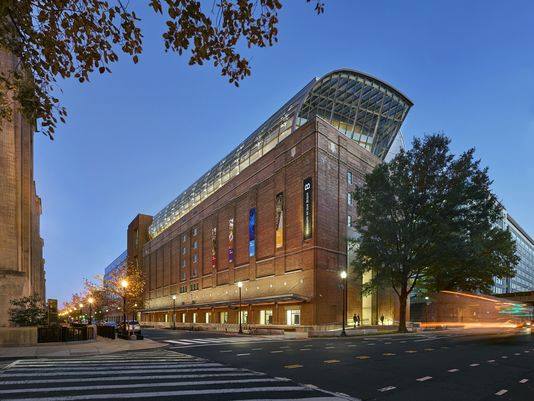
An independent examination of a number of exhibits at the Museum of the Bible, located in the capital of the United States, has been completed. As a result, five manuscripts, which were previously attributed to the original scrolls of the Qumran community of the Essenes, were found to be fake, according to National Geografic Russia. The private Bible Museum in Washington DC opened about a year ago with the help of billionaire philanthropist Steve Green. It has one of the world's largest collections of books, manuscripts and other artifacts that are somehow related to the Holy Scriptures of Christians. Among other rarities in the museum, there are sixteen Dead Sea Scrolls - now five of them are called forgeries by experts of the German Federal Institute for Research and Testing of Materials. The composition of the ink, the material of the scrolls and the writing technique were analyzed by experts. By subjecting the manuscripts to scanning and X-ray fluorescence analysis, the scientists 'found characteristics incompatible with ancient origins.' The forgeries have been removed from the museum and will no longer be exhibited. The remaining 11 of the museum's manuscripts, hitherto believed to belong to the Dead Sea Scrolls, are now also awaiting serious verification.
Share:
Five 'Dead Sea Scrolls' from the Washington Bible Museum turned out to be fakes Five 'Dead Sea Scrolls' from the Washington Bible Museum turned out to be fakes An independent examination of a number of exhibits at the Museum of the Bible, located in the capital of the United States, has been completed. As a result, five manuscripts, which were previously attributed to the original scrolls of the Qumran community of the Essenes, were found to be fake, according to National Geografic Russia. The private Bible Museum in Washington DC opened about a year ago with the help of billionaire philanthropist Steve Green. It has one of the world's largest collections of books, manuscripts and other artifacts that are somehow related to the Holy Scriptures of Christians. Among other rarities in the museum, there are sixteen Dead Sea Scrolls - now five of them are called forgeries by experts of the German Federal Institute for Research and Testing of Materials. The composition of the ink, the material of the scrolls and the writing technique were analyzed by experts. By subjecting the manuscripts to scanning and X-ray fluorescence analysis, the scientists 'found characteristics incompatible with ancient origins.' The forgeries have been removed from the museum and will no longer be exhibited. The remaining 11 of the museum's manuscripts, hitherto believed to belong to the Dead Sea Scrolls, are now also awaiting serious verification.
An independent examination of a number of exhibits at the Museum of the Bible, located in the capital of the United States, has been completed. As a result, five manuscripts, which were previously attributed to the original scrolls of the Qumran community of the Essenes, were found to be fake, according to National Geografic Russia. The private Bible Museum in Washington DC opened about a year ago with the help of billionaire philanthropist Steve Green. It has one of the world's largest collections of books, manuscripts and other artifacts that are somehow related to the Holy Scriptures of Christians. Among other rarities in the museum, there are sixteen Dead Sea Scrolls - now five of them are called forgeries by experts of the German Federal Institute for Research and Testing of Materials. The composition of the ink, the material of the scrolls and the writing technique were analyzed by experts. By subjecting the manuscripts to scanning and X-ray fluorescence analysis, the scientists 'found characteristics incompatible with ancient origins.' The forgeries have been removed from the museum and will no longer be exhibited. The remaining 11 of the museum's manuscripts, hitherto believed to belong to the Dead Sea Scrolls, are now also awaiting serious verification.