The waters of the lake cleared during the quarantine made it possible to examine the Byzantine basilica at the bottom
21 August 2020
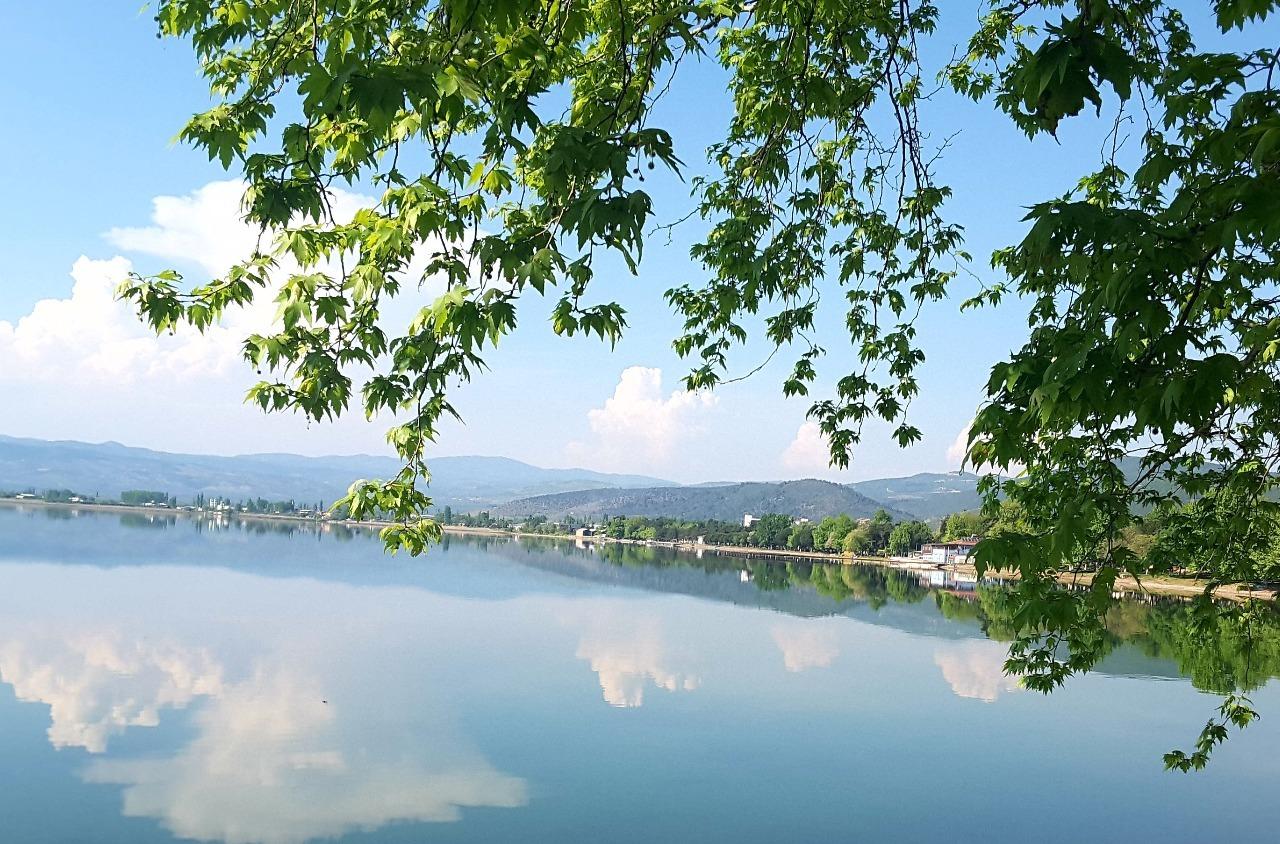
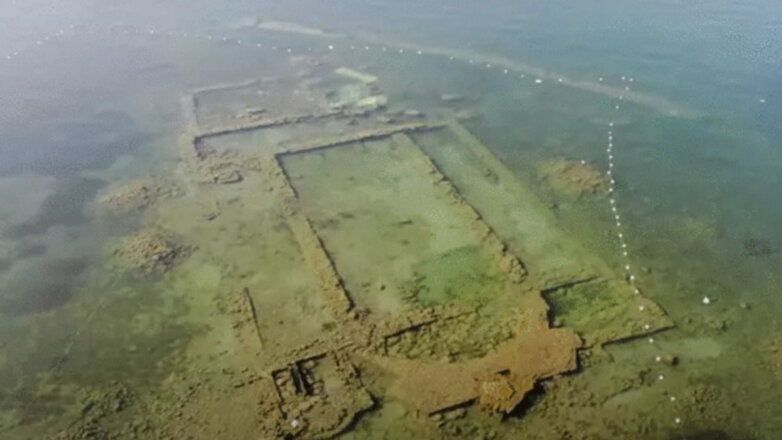
In countries that were restricted by tourists during the quarantine associated with the spread of the coronavirus, water bodies have become noticeably cleared. One of these places is Lake Iznik in northwestern Turkey - its waters have become crystal clear over the past few months. The photographs taken from above clearly show the ruins of a prayer house built 1,600 years ago. Руины базилики на дне озера Изник “When I first saw a photo of the lake, I was very surprised to see such a clear structure of the church. I couldn’t believe my eyes when I saw this beauty in the waters under the helicopter, ”says Mustafa Shahin, professor at Uludag University. Scientists believe that the basilica, the remains of which lie at the bottom of the lake, is nothing more than a temple built in 390 AD and consecrated in the name of Saint Neophytos, a Christian ascetic who was martyred for faith in the Lord Jesus Christ in 303. During a monstrous earthquake that happened in 740, the temple collapsed, and its base with the lower part of the walls was submerged in the waters of the lake. USA.One reminds that the remains of a religious building at the bottom of Lake Iznik were discovered by researchers back in 2014 - then The Archaeological Institute of America included the find in the top 10 most important events of the year. However, the opportunity to thoroughly examine and explore the ruins of the Byzantine basilica was provided only now. Some of the scholars suggest that before the construction of the Byzantine temple, there was a pagan sanctuary on this site.
The waters of the lake cleared during the quarantine made it possible to examine the Byzantine basilica at the bottomThe waters of the lake cleared during the quarantine made it possible to examine the Byzantine basilica at the bottomIn countries that were restricted by tourists during the quarantine associated with the spread of the coronavirus, water bodies have become noticeably cleared. One of these places is Lake Iznik in northwestern Turkey - its waters have become crystal clear over the past few months. The photographs taken from above clearly show the ruins of a prayer house built 1,600 years ago. Руины базилики на дне озера Изник “When I first saw a photo of the lake, I was very surprised to see such a clear structure of the church. I couldn’t believe my eyes when I saw this beauty in the waters under the helicopter, ”says Mustafa Shahin, professor at Uludag University. Scientists believe that the basilica, the remains of which lie at the bottom of the lake, is nothing more than a temple built in 390 AD and consecrated in the name of Saint Neophytos, a Christian ascetic who was martyred for faith in the Lord Jesus Christ in 303. During a monstrous earthquake that happened in 740, the temple collapsed, and its base with the lower part of the walls was submerged in the waters of the lake. USA.One reminds that the remains of a religious building at the bottom of Lake Iznik were discovered by researchers back in 2014 - then The Archaeological Institute of America included the find in the top 10 most important events of the year. However, the opportunity to thoroughly examine and explore the ruins of the Byzantine basilica was provided only now. Some of the scholars suggest that before the construction of the Byzantine temple, there was a pagan sanctuary on this site.Свеча Иерусалима -en
In countries that were restricted by tourists during the quarantine associated with the spread of the coronavirus, water bodies have become noticeably cleared. One of these places is Lake Iznik in northwestern Turkey - its waters have become crystal clear over the past few months. The photographs taken from above clearly show the ruins of a prayer house built 1,600 years ago. Руины базилики на дне озера Изник “When I first saw a photo of the lake, I was very surprised to see such a clear structure of the church. I couldn’t believe my eyes when I saw this beauty in the waters under the helicopter, ”says Mustafa Shahin, professor at Uludag University. Scientists believe that the basilica, the remains of which lie at the bottom of the lake, is nothing more than a temple built in 390 AD and consecrated in the name of Saint Neophytos, a Christian ascetic who was martyred for faith in the Lord Jesus Christ in 303. During a monstrous earthquake that happened in 740, the temple collapsed, and its base with the lower part of the walls was submerged in the waters of the lake. USA.One reminds that the remains of a religious building at the bottom of Lake Iznik were discovered by researchers back in 2014 - then The Archaeological Institute of America included the find in the top 10 most important events of the year. However, the opportunity to thoroughly examine and explore the ruins of the Byzantine basilica was provided only now. Some of the scholars suggest that before the construction of the Byzantine temple, there was a pagan sanctuary on this site.