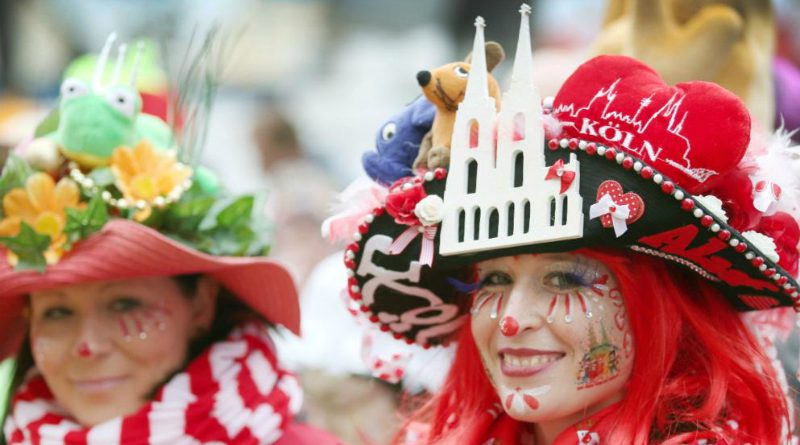
German Catholics celebrate the Great Lent with Carnival

Немецкие католики отмечают карнавалом заговенье на Великий пост
February for the Catholic regions of Germany is the time when believers arrange carnival processions in honor of the upcoming Great Lent. This year, the carnivals will be held from 8 to 13 February, and on the 14th, on Ash Wednesday, they will end - and the long fast preceding Easter will begin. In the meantime, German Catholics dress up in colorful costumes and take to the streets of cities to have fun, eat and drink well. In different lands of the country, the carnival is called differently. For Franconia, Hesse, Palatinate, Baden and Swabia, this is fastnacht or spell. In Bavaria, Thuringia and Brandenburg, the holiday is called fascing. And finally, in the Rhineland it is actually a carnival. The tradition of carnival processions originated in German lands in the pre-Christian era. During the Roman Empire, the Germans wore costumes and masks to ward off the winter cold and evil spirits - and then welcome the coming of spring. With the advent of Christianity, the outer side of the holiday remained the same, but the essence of the carnival has changed. Now his happy days preceded a long and ascetic pre-Easter fast, after which the Resurrection of Christ comes. Interestingly, the very origin of the word 'carnival' goes back to the Latin carne vale ('meat, goodbye'), which corresponds to the meaning of the upcoming Great Lent, when believers do not eat fast food. Photo: bild.de
Share:
German Catholics celebrate the Great Lent with Carnival German Catholics celebrate the Great Lent with Carnival February for the Catholic regions of Germany is the time when believers arrange carnival processions in honor of the upcoming Great Lent. This year, the carnivals will be held from 8 to 13 February, and on the 14th, on Ash Wednesday, they will end - and the long fast preceding Easter will begin. In the meantime, German Catholics dress up in colorful costumes and take to the streets of cities to have fun, eat and drink well. In different lands of the country, the carnival is called differently. For Franconia, Hesse, Palatinate, Baden and Swabia, this is fastnacht or spell. In Bavaria, Thuringia and Brandenburg, the holiday is called fascing. And finally, in the Rhineland it is actually a carnival. The tradition of carnival processions originated in German lands in the pre-Christian era. During the Roman Empire, the Germans wore costumes and masks to ward off the winter cold and evil spirits - and then welcome the coming of spring. With the advent of Christianity, the outer side of the holiday remained the same, but the essence of the carnival has changed. Now his happy days preceded a long and ascetic pre-Easter fast, after which the Resurrection of Christ comes. Interestingly, the very origin of the word 'carnival' goes back to the Latin carne vale ('meat, goodbye'), which corresponds to the meaning of the upcoming Great Lent, when believers do not eat fast food. Photo: bild.de
February for the Catholic regions of Germany is the time when believers arrange carnival processions in honor of the upcoming Great Lent. This year, the carnivals will be held from 8 to 13 February, and on the 14th, on Ash Wednesday, they will end - and the long fast preceding Easter will begin. In the meantime, German Catholics dress up in colorful costumes and take to the streets of cities to have fun, eat and drink well. In different lands of the country, the carnival is called differently. For Franconia, Hesse, Palatinate, Baden and Swabia, this is fastnacht or spell. In Bavaria, Thuringia and Brandenburg, the holiday is called fascing. And finally, in the Rhineland it is actually a carnival. The tradition of carnival processions originated in German lands in the pre-Christian era. During the Roman Empire, the Germans wore costumes and masks to ward off the winter cold and evil spirits - and then welcome the coming of spring. With the advent of Christianity, the outer side of the holiday remained the same, but the essence of the carnival has changed. Now his happy days preceded a long and ascetic pre-Easter fast, after which the Resurrection of Christ comes. Interestingly, the very origin of the word 'carnival' goes back to the Latin carne vale ('meat, goodbye'), which corresponds to the meaning of the upcoming Great Lent, when believers do not eat fast food. Photo: bild.de