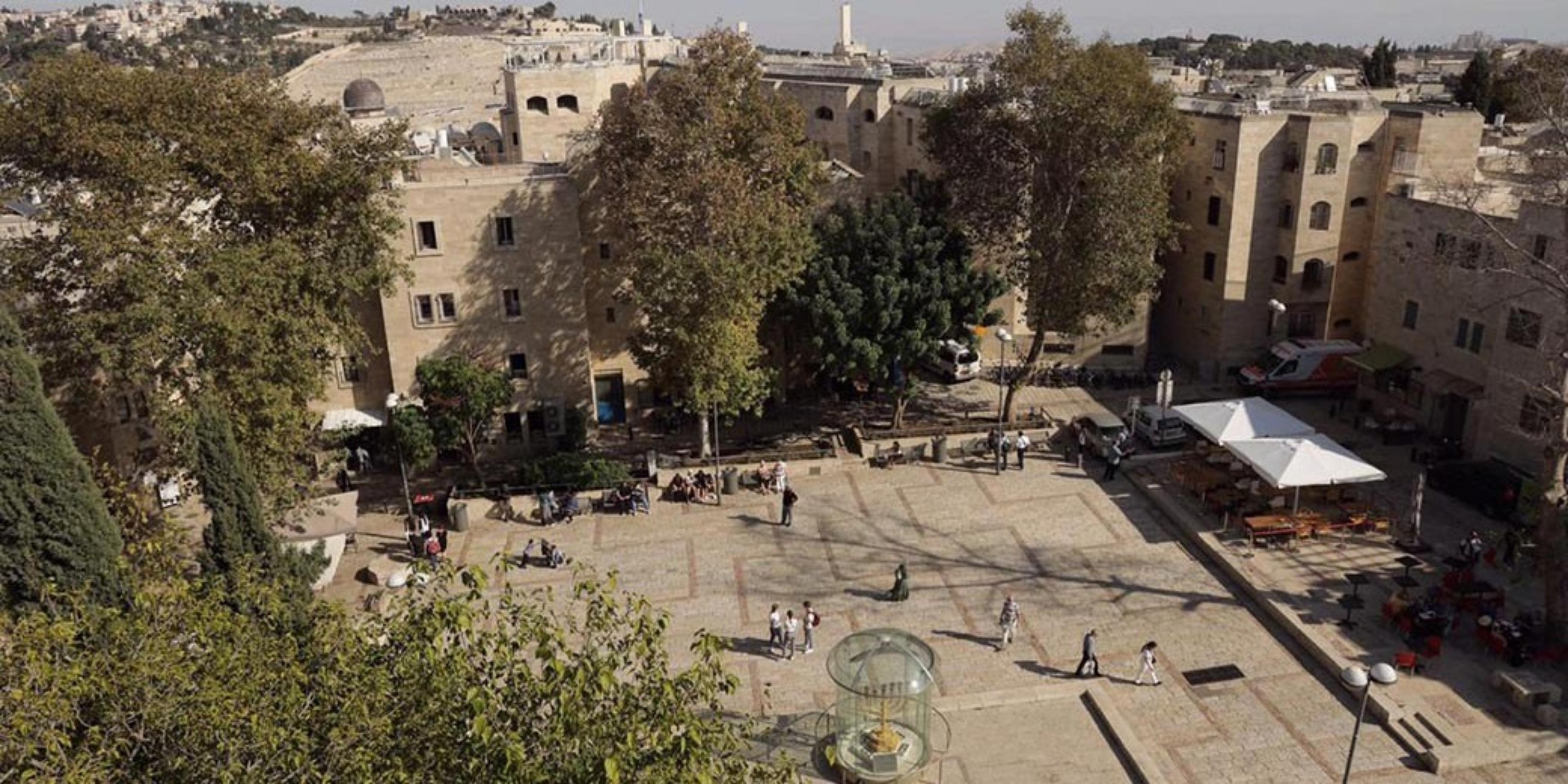
A state of emergency has been introduced in the Holy Land for a week

На Святой земле на неделю введён режим чрезвычайного положения

Since March 20, the Israeli government has introduced a state of emergency in the country, which imposes serious restrictions on movement in settlements, including the Holy City.
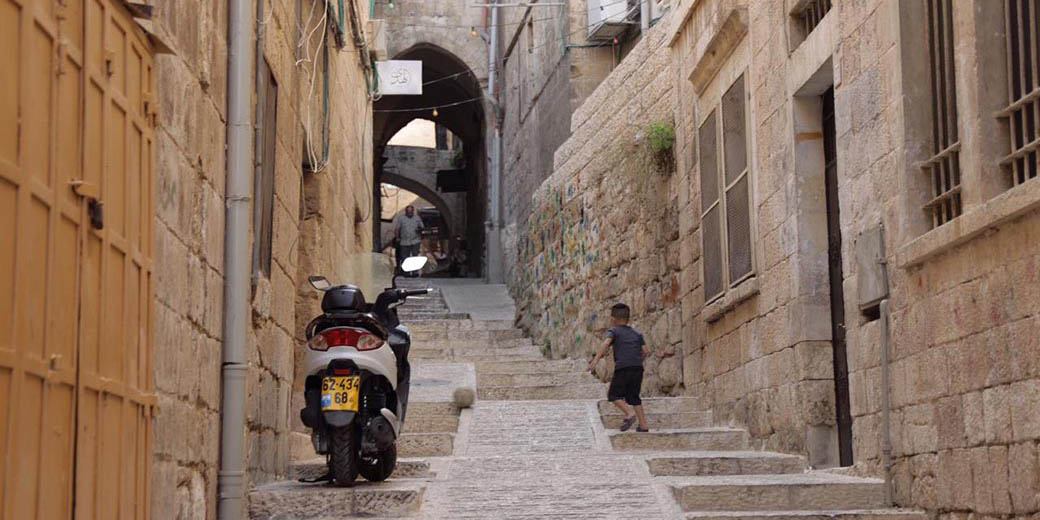
“The old city is empty - the faith has not faded away,” - this is how the local media comment on what is happening in Jerusalem. According to the Israeli information portal 'Details', protective tapes were pulled at the Wailing Wall so that the distance between those who applied to the shrine was at least three meters. “What should we do, hide under the bed? Fear will not help anything, ”says one of the Jerusalemites who came to the Wall.

In the Church of the Holy Sepulcher, the Anointing Stone is regularly wiped with a disinfectant solution and fumigated with incense. There are practically no groups of pilgrims in the temple - the last one was Russian, arriving the other day through Egypt for a one-day tour of the Holy City. Christians, mainly from among local residents, less often - newcomers, come here one or two at a time to say a prayer. There is no queue at the place of the Resurrection of the Savior of the world, Kuvuklia - an unprecedented thing! The pilgrim from Russia, before venerating the shrine, takes off face mask. The square in front of the Church of the Holy Sepulcher is also unusually empty. On Great Saturday, before Easter according to the Orthodox calendar, the descent of the Holy Fire should take place in the church - perhaps for the first time in many years this event will take place without reverent pilgrims, only with the participation of the Christian episcopate and priests.

The entrance to the Temple Mount is closed - adherents of Islam who are going to visit the Al-Aqsa Mosque are invited to pray in the square. There, the waqf officials keep a close watch to ensure that the established two-meter distance between people is observed.

On the eve, the police allowed several small groups of Jews to climb the Temple Mount. However, now, when the rabbi, guided by the instructions of the country's Ministry of Health, closed the mikvah for men, religious Jews have actually lost access to the shrine: after all, before approaching it, the followers of Judaism must perform a ritual ablution.

The Israeli authorities, including the Jerusalem City Hall, see the state of emergency as one of the means of salvation from the coronavirus epidemic. However, those residents of the Old City, whose earnings directly depend on the flow of pilgrims and tourists, are extremely unhappy with the current state of affairs. “It's like a bomb exploding unexpectedly. Nobody knows how it will end. There are no tourists, everyone is afraid. I haven't earned 80 shekels in the morning. This is not enough for a family of five, 'Zaki Khimo, owner of a cafe at Damascus Gate, told Detaley. Abu Musa, the owner of a small teahouse near the Al-Aqsa mosque, echoes him: “The police ordered us to close. If it lasts two months, we will somehow hold out, but if it lasts longer, we will all have to look for another job. '

Photo: 'Details', Israel

Share:
A state of emergency has been introduced in the Holy Land for a week A state of emergency has been introduced in the Holy Land for a week Since March 20, the Israeli government has introduced a state of emergency in the country, which imposes serious restrictions on movement in settlements, including the Holy City. “The old city is empty - the faith has not faded away,” - this is how the local media comment on what is happening in Jerusalem. According to the Israeli information portal 'Details', protective tapes were pulled at the Wailing Wall so that the distance between those who applied to the shrine was at least three meters. “What should we do, hide under the bed? Fear will not help anything, ”says one of the Jerusalemites who came to the Wall. In the Church of the Holy Sepulcher, the Anointing Stone is regularly wiped with a disinfectant solution and fumigated with incense. There are practically no groups of pilgrims in the temple - the last one was Russian, arriving the other day through Egypt for a one-day tour of the Holy City. Christians, mainly from among local residents, less often - newcomers, come here one or two at a time to say a prayer. There is no queue at the place of the Resurrection of the Savior of the world, Kuvuklia - an unprecedented thing! The pilgrim from Russia, before venerating the shrine, takes off face mask. The square in front of the Church of the Holy Sepulcher is also unusually empty. On Great Saturday, before Easter according to the Orthodox calendar, the descent of the Holy Fire should take place in the church - perhaps for the first time in many years this event will take place without reverent pilgrims, only with the participation of the Christian episcopate and priests. The entrance to the Temple Mount is closed - adherents of Islam who are going to visit the Al-Aqsa Mosque are invited to pray in the square. There, the waqf officials keep a close watch to ensure that the established two-meter distance between people is observed. On the eve, the police allowed several small groups of Jews to climb the Temple Mount. However, now, when the rabbi, guided by the instructions of the country's Ministry of Health, closed the mikvah for men, religious Jews have actually lost access to the shrine: after all, before approaching it, the followers of Judaism must perform a ritual ablution. The Israeli authorities, including the Jerusalem City Hall, see the state of emergency as one of the means of salvation from the coronavirus epidemic. However, those residents of the Old City, whose earnings directly depend on the flow of pilgrims and tourists, are extremely unhappy with the current state of affairs. “It's like a bomb exploding unexpectedly. Nobody knows how it will end. There are no tourists, everyone is afraid. I haven't earned 80 shekels in the morning. This is not enough for a family of five, 'Zaki Khimo, owner of a cafe at Damascus Gate, told Detaley. Abu Musa, the owner of a small teahouse near the Al-Aqsa mosque, echoes him: “The police ordered us to close. If it lasts two months, we will somehow hold out, but if it lasts longer, we will all have to look for another job. ' Photo: 'Details', Israel
Since March 20, the Israeli government has introduced a state of emergency in the country, which imposes serious restrictions on movement in settlements, including the Holy City. “The old city is empty - the faith has not faded away,” - this is how the local media comment on what is happening in Jerusalem. According to the Israeli information portal 'Details', protective tapes were pulled at the Wailing Wall so that the distance between those who applied to the shrine was at least three meters. “What should we do, hide under the bed? Fear will not help anything, ”says one of the Jerusalemites who came to the Wall. In the Church of the Holy Sepulcher, the Anointing Stone is regularly wiped with a disinfectant solution and fumigated with incense. There are practically no groups of pilgrims in the temple - the last one was Russian, arriving the other day through Egypt for a one-day tour of the Holy City. Christians, mainly from among local residents, less often - newcomers, come here one or two at a time to say a prayer. There is no queue at the place of the Resurrection of the Savior of the world, Kuvuklia - an unprecedented thing! The pilgrim from Russia, before venerating the shrine, takes off face mask. The square in front of the Church of the Holy Sepulcher is also unusually empty. On Great Saturday, before Easter according to the Orthodox calendar, the descent of the Holy Fire should take place in the church - perhaps for the first time in many years this event will take place without reverent pilgrims, only with the participation of the Christian episcopate and priests. The entrance to the Temple Mount is closed - adherents of Islam who are going to visit the Al-Aqsa Mosque are invited to pray in the square. There, the waqf officials keep a close watch to ensure that the established two-meter distance between people is observed. On the eve, the police allowed several small groups of Jews to climb the Temple Mount. However, now, when the rabbi, guided by the instructions of the country's Ministry of Health, closed the mikvah for men, religious Jews have actually lost access to the shrine: after all, before approaching it, the followers of Judaism must perform a ritual ablution. The Israeli authorities, including the Jerusalem City Hall, see the state of emergency as one of the means of salvation from the coronavirus epidemic. However, those residents of the Old City, whose earnings directly depend on the flow of pilgrims and tourists, are extremely unhappy with the current state of affairs. “It's like a bomb exploding unexpectedly. Nobody knows how it will end. There are no tourists, everyone is afraid. I haven't earned 80 shekels in the morning. This is not enough for a family of five, 'Zaki Khimo, owner of a cafe at Damascus Gate, told Detaley. Abu Musa, the owner of a small teahouse near the Al-Aqsa mosque, echoes him: “The police ordered us to close. If it lasts two months, we will somehow hold out, but if it lasts longer, we will all have to look for another job. ' Photo: 'Details', Israel