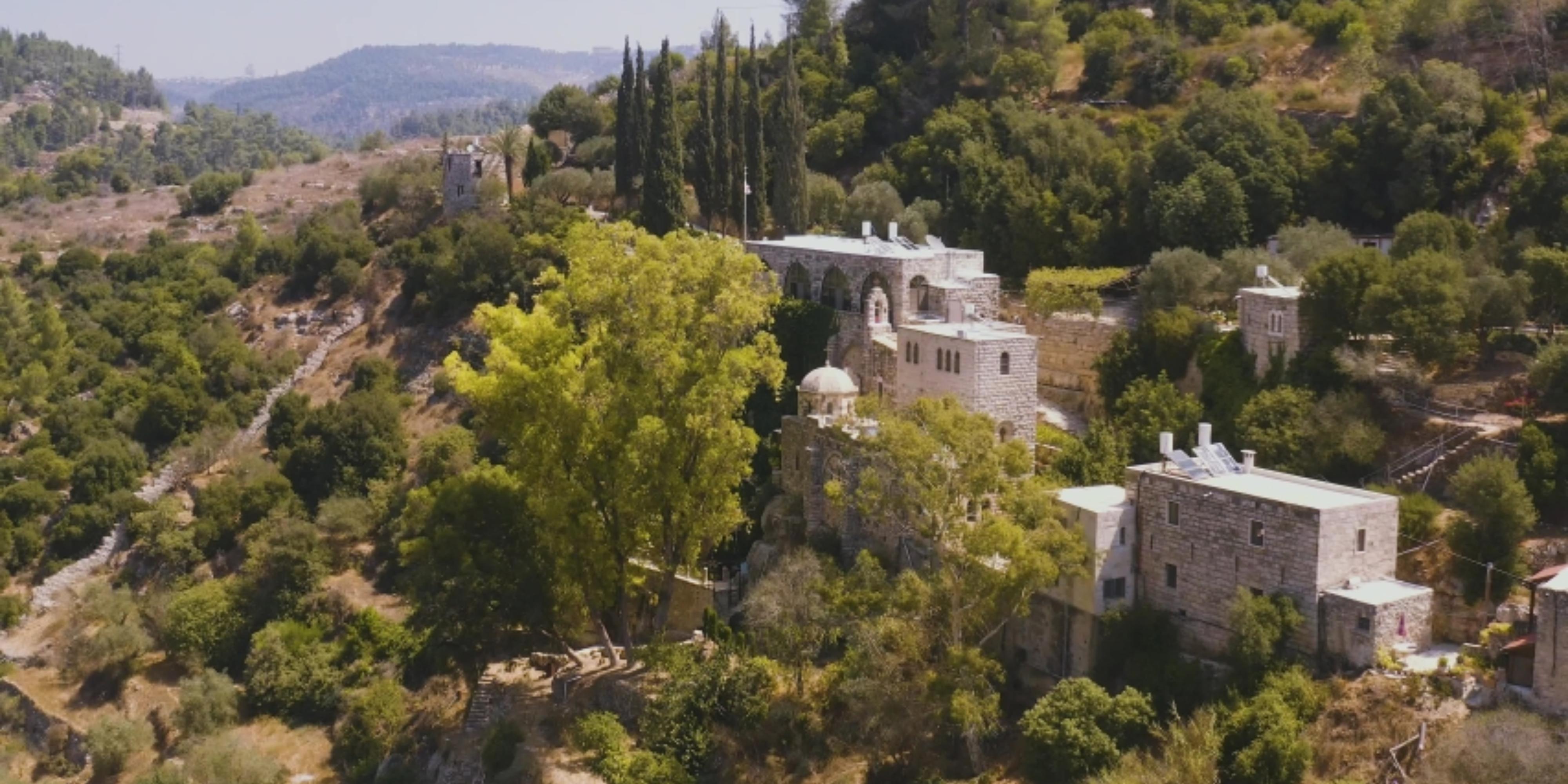
This Franciscan monastery in the Judean Mountains, located on a wooded hillside north of the Even Sapir moshav, is part of the city of Jerusalem. It is all the more strange that, in comparison with other places of the Holy City visited by Christians, the number of pilgrims here is relatively small. But it was in these places that John the Baptist spent his childhood - under the caring gaze of his mother, the righteous Elizabeth, whose grave is located a little higher up the slope.

The first Christian monastery on this site was built in the 6th century. Later it was destroyed, and in the era of the Jerusalem Kingdom of the Crusaders - restored and significantly expanded. In the twenties of the last century, a plot of land with a monastery (or rather, with what was left of it by that time) was sold to the Franciscans, who decided to revive the monastery and launched a large-scale construction here. The architect was the famous Italian Antonio Barluzzi, whose name is widely known in Jerusalem thanks to the many projects he has implemented. Barlutsi lived in the Holy Land for 33 years and created many Christian churches and monasteries in places significant for the Gospel history. It is interesting that Barluzzi refused the authorship of the project of the monastery of St. John in the desert - perhaps because he considered himself only a modern reenactor of the once existing monastery. And maybe for some other reason: it is not known for certain.
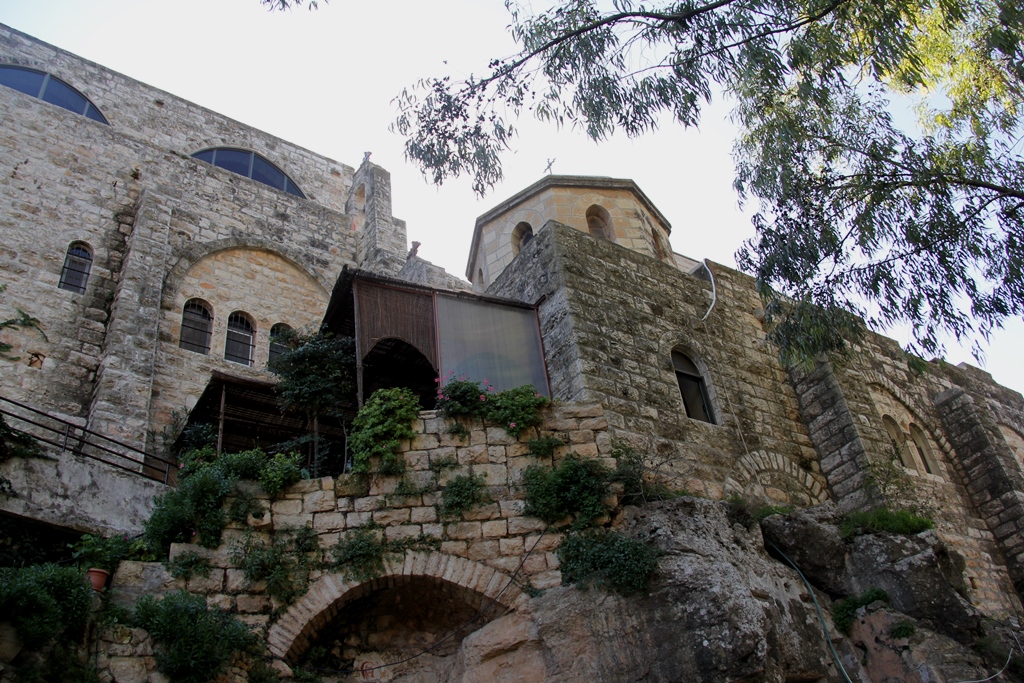
Directly under the main temple of the monastery is the cave of John the Baptist, measuring 6 by 3 meters and 2 meters high. A staircase of 21 descending steps leads to the cave. The elevation opposite the entrance is believed to be the bed of John the Baptist. According to legend, the prophet lived here in solitude until he retired into the wilderness. In the cave there is an image of the righteous Elizabeth and her son, St. John in their youth. Just below it there is a special place where believers leave notes with prayer requests - or with words of gratitude for the help received through prayers to John the Baptist.
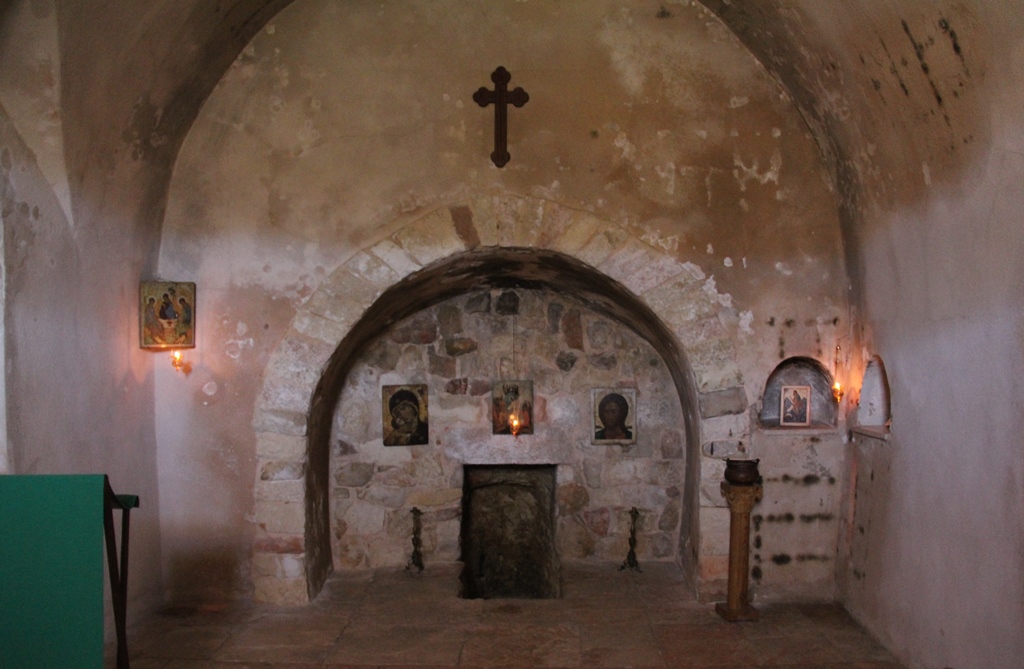
Climbing from the monastery a little up the slope along a picturesque path, you can get to the octagonal chapel of St. Elizabeth. The entrance to the crypt is hidden behind a miniature door, where, according to Tradition, the ashes of the mother of John the Baptist are buried. The atmosphere inside the chapel is very austere, there are very few icons here. One of them depicts John the Baptist holding an unfolded scroll with an inscription in Hebrew, which is atypical for Christian iconography.
The monastery of St. John in the desert is actually located in a very picturesque place, which offers a stunning view of the gorge of the Sorek River and the Sataf located behind it, famous for the excavation of the camps of ancient people from 11-8 millennia BC.
The entrance to the monastery of St. John is free; open from 8 am to 6 pm in summer, and from 8 am to 4 pm in winter. Arriving here with children, you need to remember that there are no fences in the monastery located on a mountain slope, and parents will have to carefully monitor their children all the time.V. Sergienko.