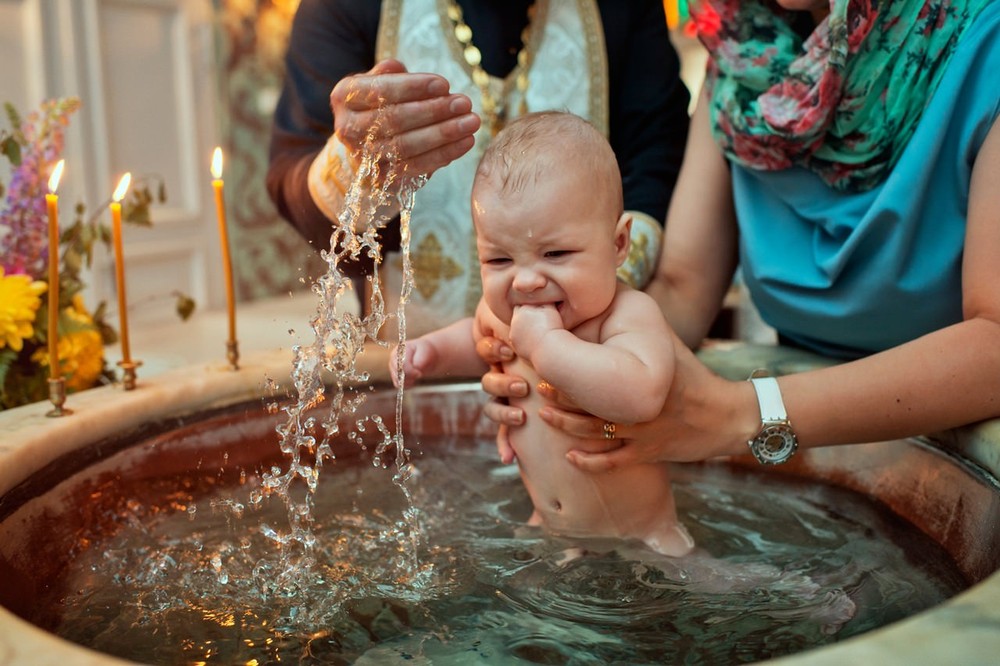
The Christian name is the one that a person is called at baptism and which he later calls when he approaches more often at communion, as well as during the sacraments of unction and marriage - and, finally, which is mentioned at the funeral service, when the soul passes into eternal life. This name is chosen once and for life - and therefore the parents or the person himself (if he is baptized at a conscious age) needs to weigh everything, think it over and make the right choice.
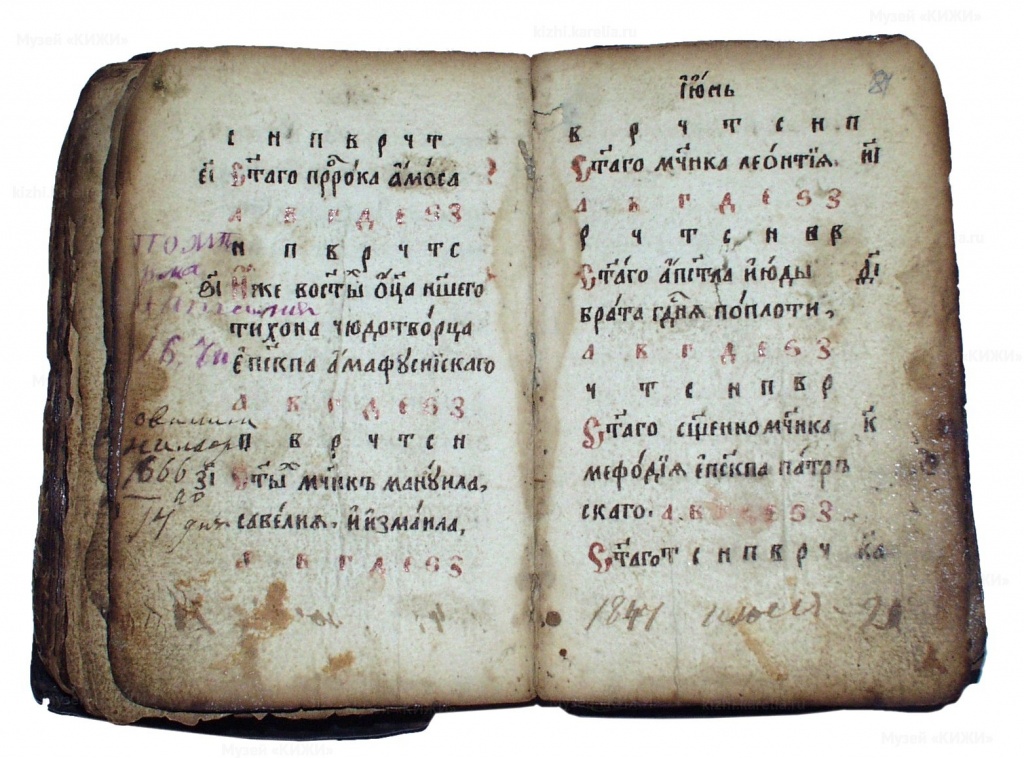
Старинные святцы The Christian name is, first of all, an example. Getting acquainted with the lives of the saints - saints (who served the Lord God in the monastic rank), saints (bishops), righteous (priests and laity), martyrs and Equal-to-the-Apostles and with descriptions of the deeds of the disembodied Heavenly Forces (archangels Michael, Gabriel, Raphael and others) - man ( if he is old enough) or his parents decide what qualities the baptized person should have in the first place. The saint, whose name is given to a person at baptism, in exchange with the guardian angel, becomes his intercessor, intercessor before the Lord Jesus Christ.
The saints contain the names of the saints of God from the Creation of the world to the present day. And even angelic names
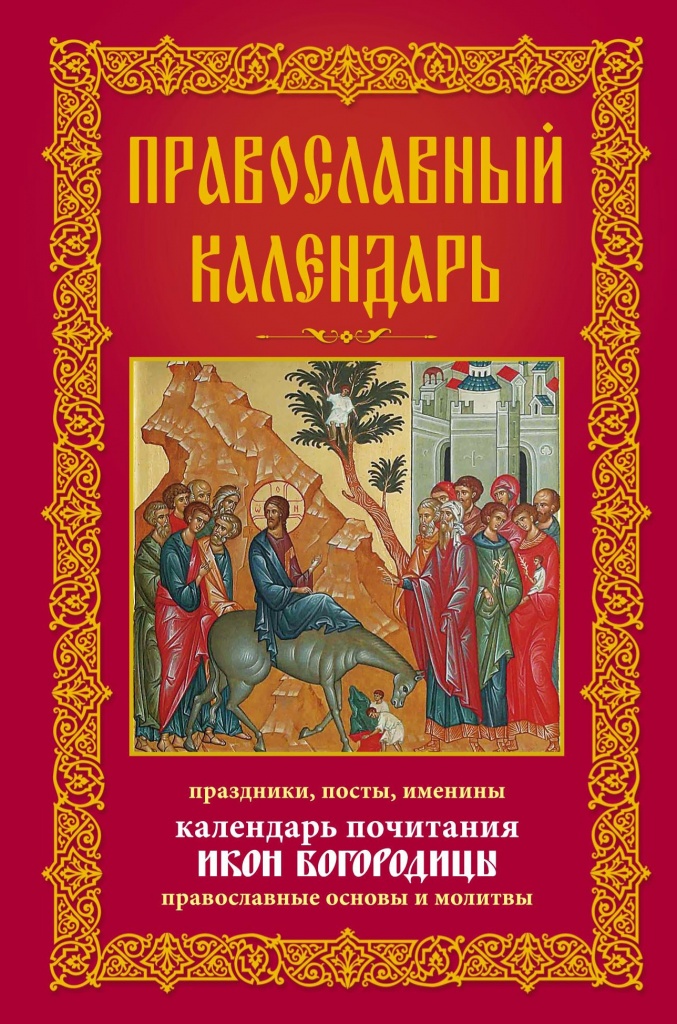
Saints - a list of saints revered by the church - contains any more or less complete Orthodox calendar
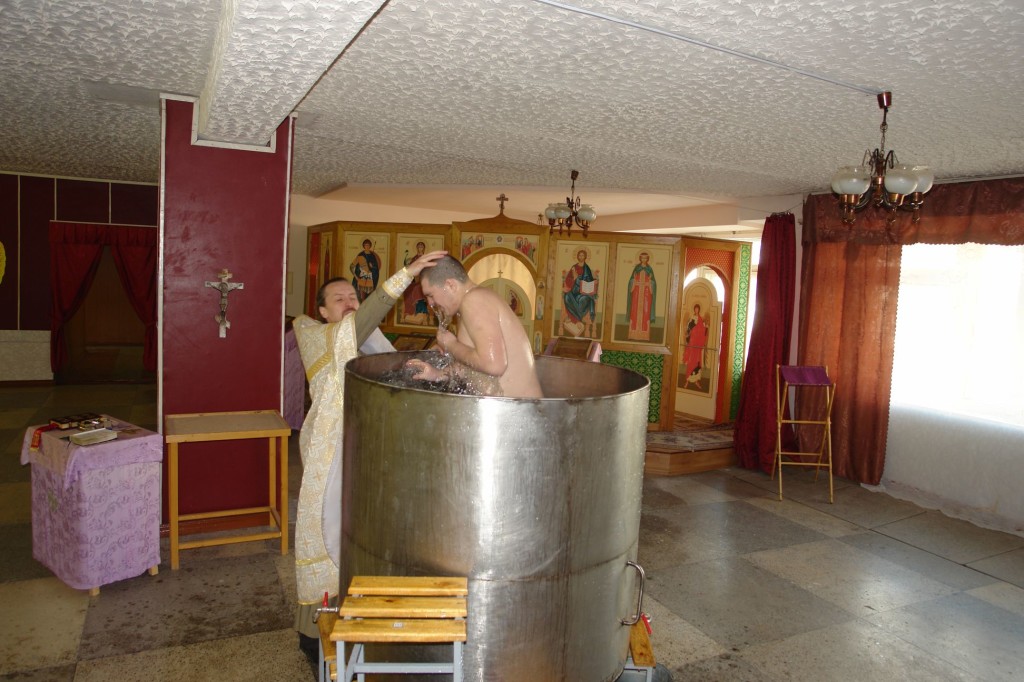
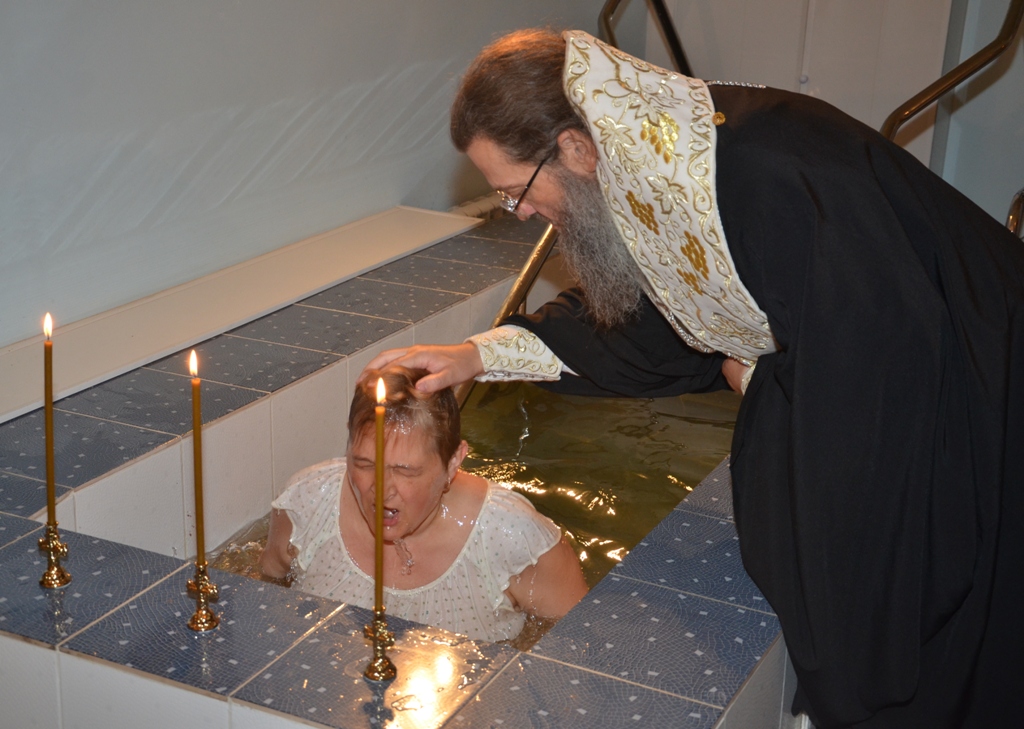
Крещение полным погружением It is interesting that many foreign names, such as Leon, Patrick and even Gerard (everyone probably remembers the actor Gerard Depardieu who was recently baptized into Orthodoxy) have either direct correspondences in the calendar, or variants very similar to them. In this, if you look at it, there is nothing surprising - after all, for a whole thousand years the Church was undivided and had saints common to the West and the East. The veneration of these saints of God is preserved today, and their names are included in the calendar.
If the desired name or some of its similarity was not found in the calendar, in baptism he will receive another, which is chosen by the person's parents or himself before performing the sacrament. There are often cases when, having chosen a completely Christian name for a child (for example, Artyom - Artemy according to the calendar), parents, nevertheless, want him to receive something else in baptism. This is done most often out of fear of conspiracies and corruption, for reasons of imaginary protection: supposedly, not knowing the Christian name of a person, no sorcerer or witch can harm him. In this case, the priest who is to perform the sacrament of baptism will refuse such parents. And not even because double names are not common in the Orthodox tradition. But because the true protection for a baptized person is his participation in church life: common prayer in the temple, holy sacraments, deeds of self-improvement and mercy.
Взрослый человек при крещении имеет уникальную возможность выбрать христианское имя самостоятельно And the last thing to remember when choosing a Christian name. In the calendar there are many such names that have almost gone out of use. It is hardly worth being original and calling the child, say, Polievkt (unless there are some very special reasons for that). To the priests who will subsequently commune this person or pray for his health, pronounce such a name without stumbling won't be easy. And in everyday life (when filling out documents and so on), the owner of such a rare name will almost certainly face errors and difficulties. Therefore, it is best if the Christian name of a person is simple and characteristic of the culture of the people among which his life takes place. And also - one that he will always wear with pride and awe. Indeed, it is with the name given to each of us in holy baptism that we will one day stand before the Lord.
How to choose a Christian nameHow to choose a Christian name The Christian name is the one that a person is called at baptism and which he later calls when he approaches more often at communion, as well as during the sacraments of unction and marriage - and, finally, which is mentioned at the funeral service, when the soul passes into eternal life. This name is chosen once and for life - and therefore the parents or the person himself (if he is baptized at a conscious age) needs to weigh everything, think it over and make the right choice. Старинные святцы The Christian name is, first of all, an example. Getting acquainted with the lives of the saints - saints (who served the Lord God in the monastic rank), saints (bishops), righteous (priests and laity), martyrs and Equal-to-the-Apostles and with descriptions of the deeds of the disembodied Heavenly Forces (archangels Michael, Gabriel, Raphael and others) - man ( if he is old enough) or his parents decide what qualities the baptized person should have in the first place. The saint, whose name is given to a person at baptism, in exchange with the guardian angel, becomes his intercessor, intercessor before the Lord Jesus Christ. The saints contain the names of the saints of God from the Creation of the world to the present day. And even angelic namesSaints - a list of saints revered by the church - contains any more or less complete Orthodox calendarКрещение полным погружением It is interesting that many foreign names, such as Leon, Patrick and even Gerard (everyone probably remembers the actor Gerard Depardieu who was recently baptized into Orthodoxy) have either direct correspondences in the calendar, or variants very similar to them. In this, if you look at it, there is nothing surprising - after all, for a whole thousand years the Church was undivided and had saints common to the West and the East. The veneration of these saints of God is preserved today, and their names are included in the calendar. If the desired name or some of its similarity was not found in the calendar, in baptism he will receive another, which is chosen by the person's parents or himself before performing the sacrament. There are often cases when, having chosen a completely Christian name for a child (for example, Artyom - Artemy according to the calendar), parents, nevertheless, want him to receive something else in baptism. This is done most often out of fear of conspiracies and corruption, for reasons of imaginary protection: supposedly, not knowing the Christian name of a person, no sorcerer or witch can harm him. In this case, the priest who is to perform the sacrament of baptism will refuse such parents. And not even because double names are not common in the Orthodox tradition. But because the true protection for a baptized person is his participation in church life: common prayer in the temple, holy sacraments, deeds of self-improvement and mercy. Взрослый человек при крещении имеет уникальную возможность выбрать христианское имя самостоятельно And the last thing to remember when choosing a Christian name. In the calendar there are many such names that have almost gone out of use. It is hardly worth being original and calling the child, say, Polievkt (unless there are some very special reasons for that). To the priests who will subsequently commune this person or pray for his health, pronounce such a name without stumbling won't be easy. And in everyday life (when filling out documents and so on), the owner of such a rare name will almost certainly face errors and difficulties. Therefore, it is best if the Christian name of a person is simple and characteristic of the culture of the people among which his life takes place. And also - one that he will always wear with pride and awe. Indeed, it is with the name given to each of us in holy baptism that we will one day stand before the Lord.Свеча Иерусалима -en
The Christian name is the one that a person is called at baptism and which he later calls when he approaches more often at communion, as well as during the sacraments of unction and marriage - and, finally, which is mentioned at the funeral service, when the soul passes into eternal life. This name is chosen once and for life - and therefore the parents or the person himself (if he is baptized at a conscious age) needs to weigh everything, think it over and make the right choice. Старинные святцы The Christian name is, first of all, an example. Getting acquainted with the lives of the saints - saints (who served the Lord God in the monastic rank), saints (bishops), righteous (priests and laity), martyrs and Equal-to-the-Apostles and with descriptions of the deeds of the disembodied Heavenly Forces (archangels Michael, Gabriel, Raphael and others) - man ( if he is old enough) or his parents decide what qualities the baptized person should have in the first place. The saint, whose name is given to a person at baptism, in exchange with the guardian angel, becomes his intercessor, intercessor before the Lord Jesus Christ. The saints contain the names of the saints of God from the Creation of the world to the present day. And even angelic namesSaints - a list of saints revered by the church - contains any more or less complete Orthodox calendarКрещение полным погружением It is interesting that many foreign names, such as Leon, Patrick and even Gerard (everyone probably remembers the actor Gerard Depardieu who was recently baptized into Orthodoxy) have either direct correspondences in the calendar, or variants very similar to them. In this, if you look at it, there is nothing surprising - after all, for a whole thousand years the Church was undivided and had saints common to the West and the East. The veneration of these saints of God is preserved today, and their names are included in the calendar. If the desired name or some of its similarity was not found in the calendar, in baptism he will receive another, which is chosen by the person's parents or himself before performing the sacrament. There are often cases when, having chosen a completely Christian name for a child (for example, Artyom - Artemy according to the calendar), parents, nevertheless, want him to receive something else in baptism. This is done most often out of fear of conspiracies and corruption, for reasons of imaginary protection: supposedly, not knowing the Christian name of a person, no sorcerer or witch can harm him. In this case, the priest who is to perform the sacrament of baptism will refuse such parents. And not even because double names are not common in the Orthodox tradition. But because the true protection for a baptized person is his participation in church life: common prayer in the temple, holy sacraments, deeds of self-improvement and mercy. Взрослый человек при крещении имеет уникальную возможность выбрать христианское имя самостоятельно And the last thing to remember when choosing a Christian name. In the calendar there are many such names that have almost gone out of use. It is hardly worth being original and calling the child, say, Polievkt (unless there are some very special reasons for that). To the priests who will subsequently commune this person or pray for his health, pronounce such a name without stumbling won't be easy. And in everyday life (when filling out documents and so on), the owner of such a rare name will almost certainly face errors and difficulties. Therefore, it is best if the Christian name of a person is simple and characteristic of the culture of the people among which his life takes place. And also - one that he will always wear with pride and awe. Indeed, it is with the name given to each of us in holy baptism that we will one day stand before the Lord.