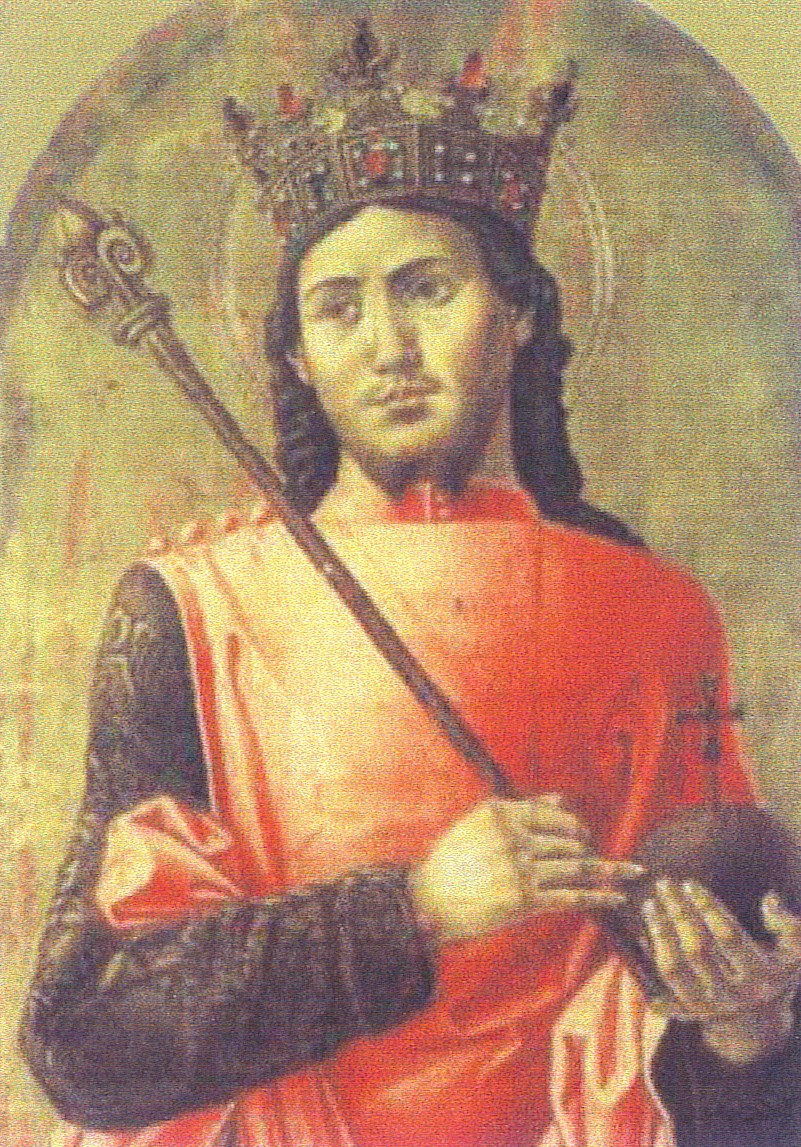
It is difficult to say exactly how long ago it became the order of things to accuse the church of slowing down progress and creating obstacles for science. But the opposite happened more than once in history: the princes of the church became the patrons of the men of science, and the monastery libraries turned into repositories of the most valuable manuscripts created by the inventors of the past. Sometimes church traditions and customs of antiquity were very helpful in the work of scientists who lived centuries later. It is about this case that the Russian magazine 'Science and Life' recalls. Cancer with entrails of the French king Louis IX, who died in 1297, was opened in 2014 in connection with the celebration of the eight hundredth anniversary of the birth of the God-loving monarch. With the blessing of the Archbishop of Versailles, scientists were allowed to extract a two-gram sample from it for biomedical research. In the course of the latter, with the help of an electron scanning microscope, it was established that the king, who died in northern Africa during the Eighth Crusade and was canonized by the Catholic Church in 1297, suffered from bilharziosis, a disease caused by the schistosome parasites, during his lifetime. These are small worms, the ingestion of which is usually not fatal, but, according to some reports, can lead to the development of cancer. Finding African parasites in the remains of the monarch allowed scientists to trace the paths and time frames of the migration of microscopic fluke worms to the north, to the countries of Europe. If today, in the era of mass tourism, these parasites are spread around the world by travelers from many countries who have bathed in tropical waters, then in the Middle Ages, infection occurred, as a rule, during wars and sea expeditions to the countries of the Maghreb and the Middle East. So the cancer with the relics of the French king, carefully preserved by the Catholic Church, unexpectedly helped modern scientists, if not say a new word, then add a lot of important things to what has already been said in the field of parasitology.
Share: