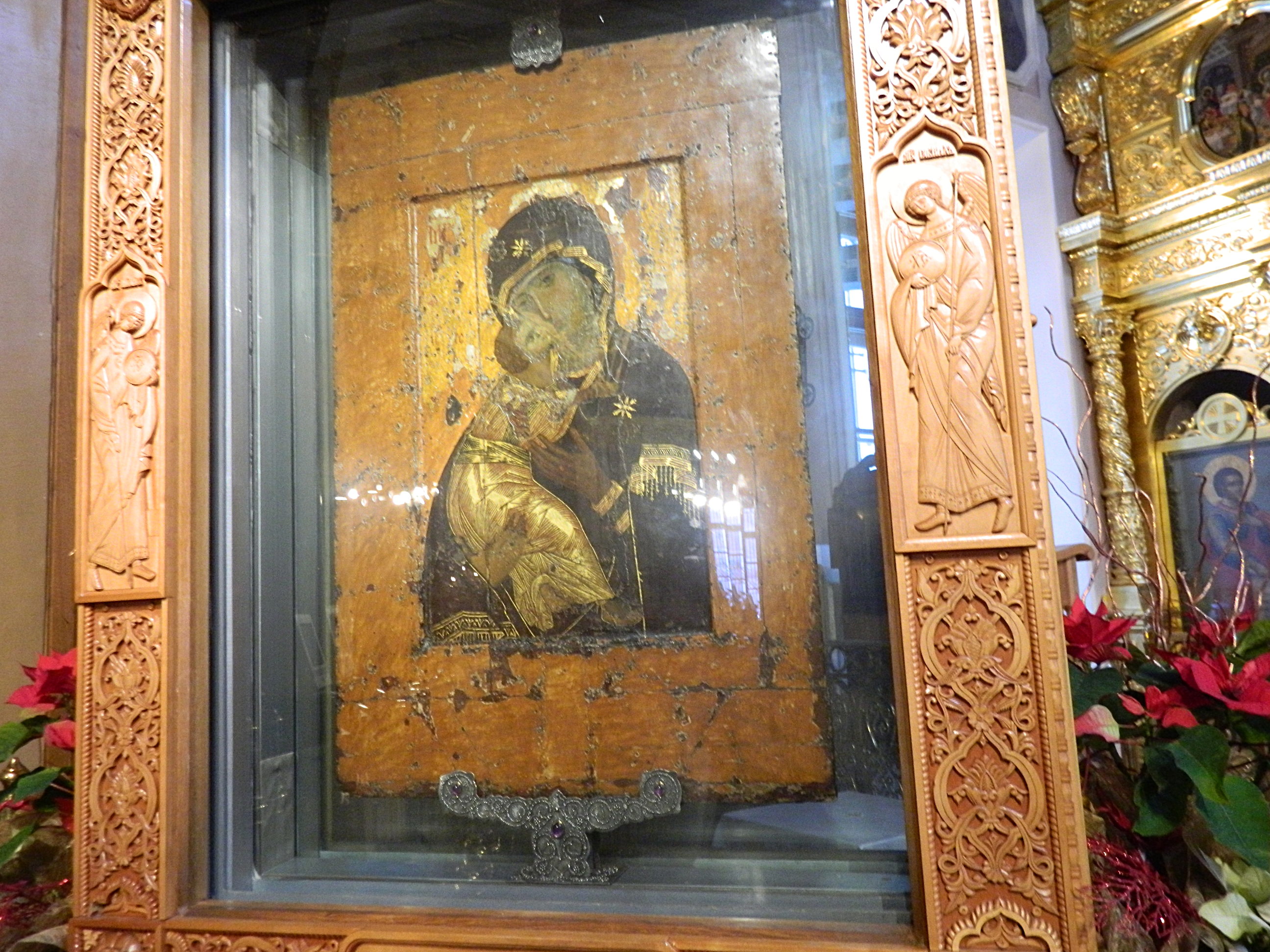
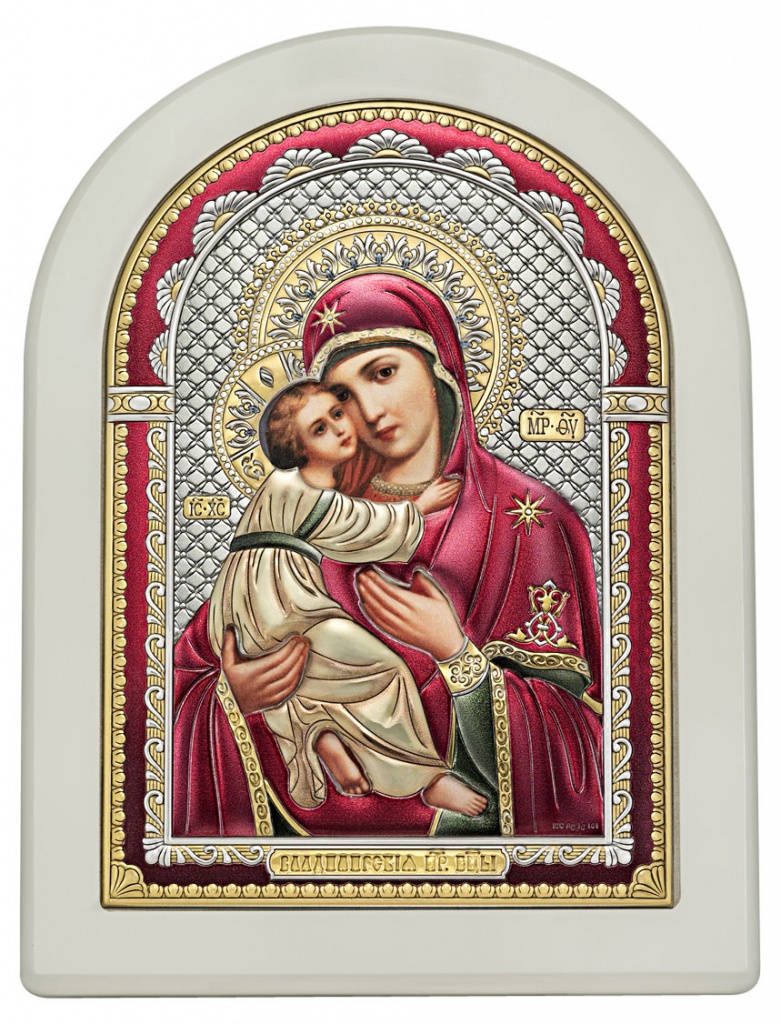
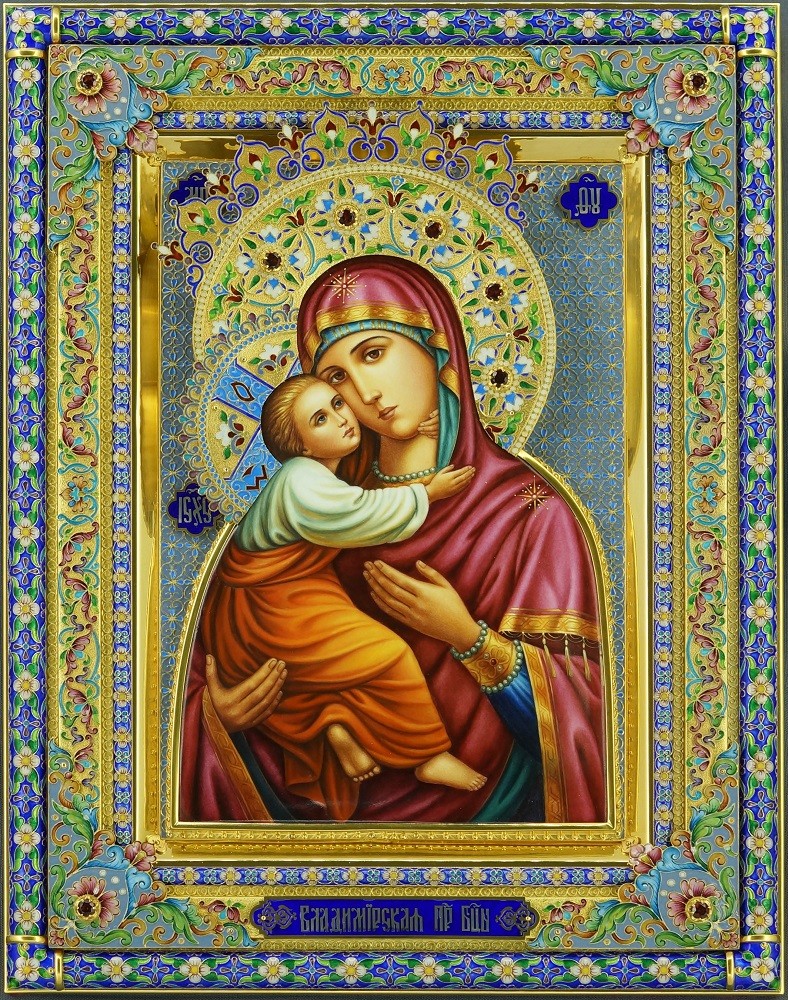
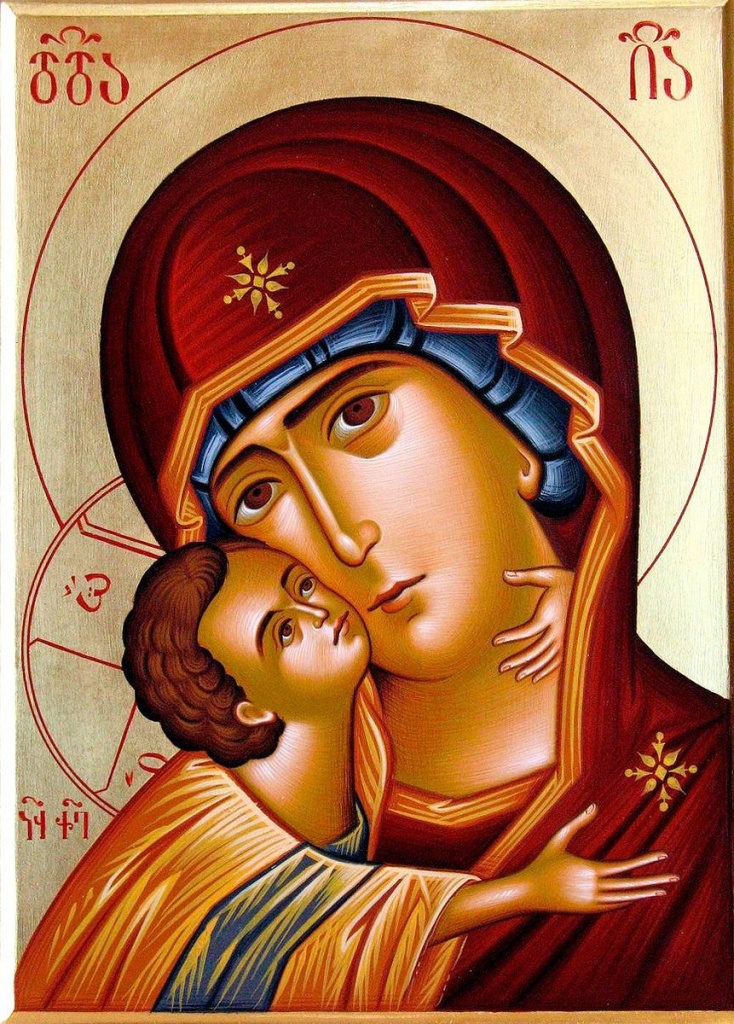
July 6 is one of three days when, according to the Orthodox calendar, the memory of the Vladimir Icon of the Most Holy Theotokos is celebrated - one of the most revered images of the Theotokos in Russia. According to Tradition, this icon of the Ever-Virgin was written on the board of the table at which the Holy Family dined. Seeing her, the Mother of God said: “From now on, all generations will bless Me. The grace of the One born of Me and Mine be with this icon ”.
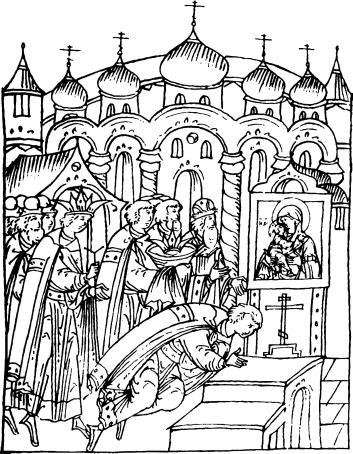
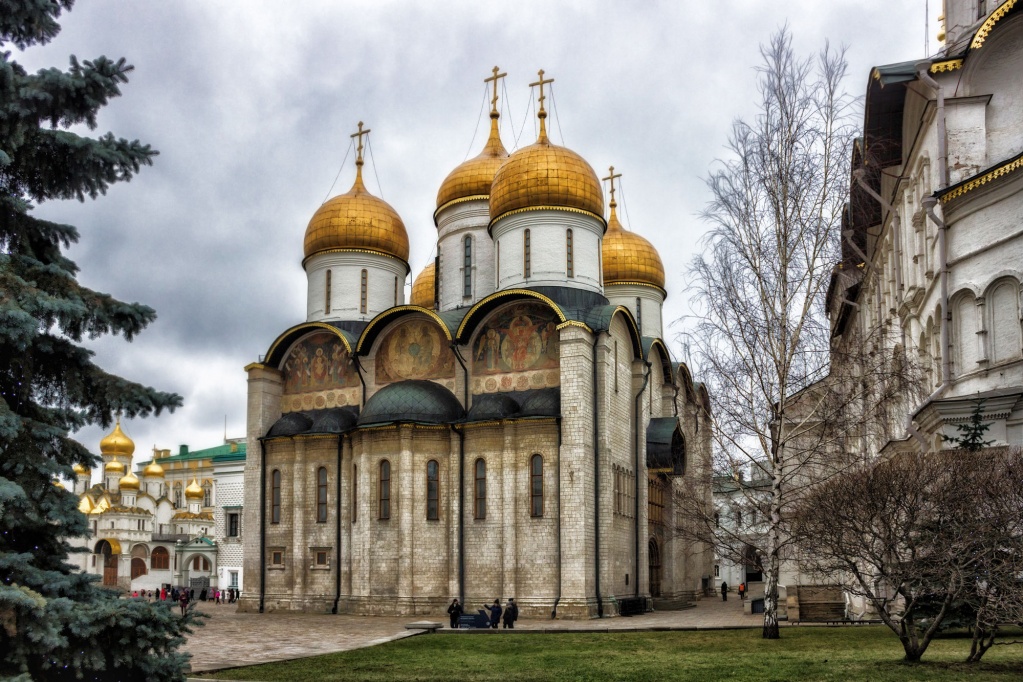
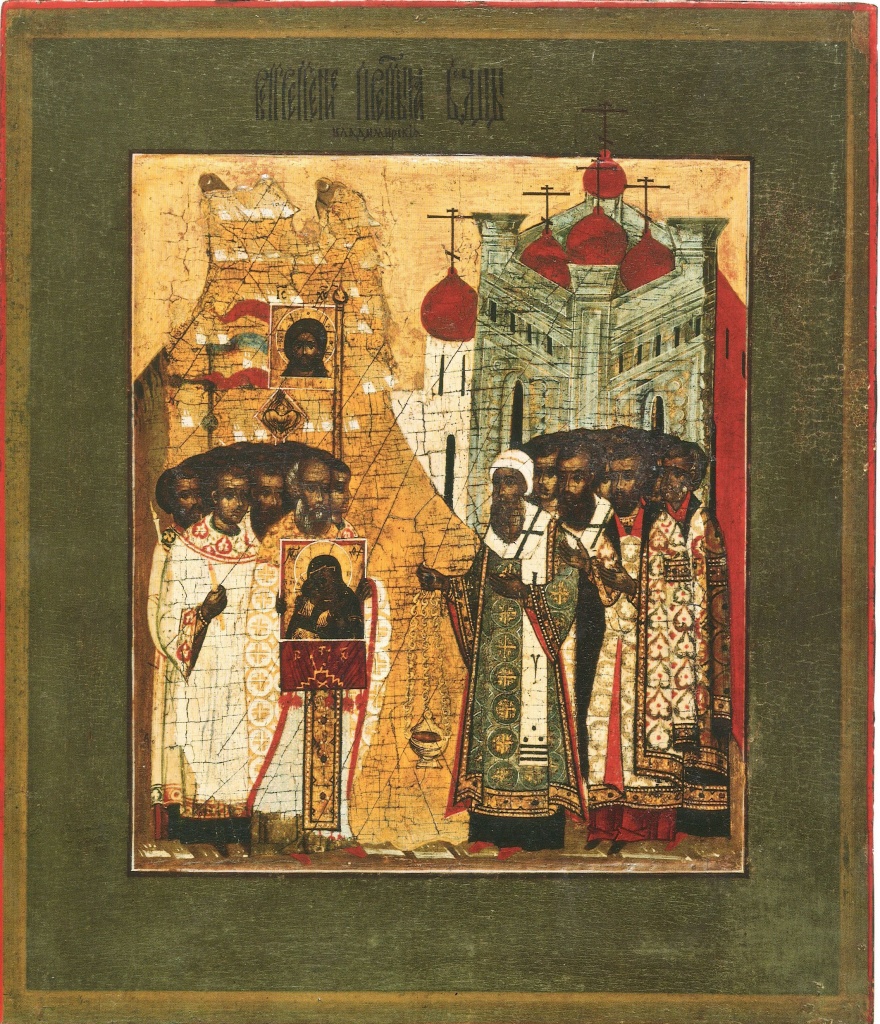
Царь Иван Грозный молится у Владимирской иконы перед походом на Казань. Рисунок из летописи The Vladimir Icon of the Most Holy Theotokos, now located in the Church of St. Nicholas in Tolmachi at the Tretyakov Gallery (Moscow), is closely connected with the history of Russia and its deliverance from foreign invaders in different historical periods. The celebration of the icon on July 6 was established in memory of the deliverance of Moscow from the Horde Khan Akhmat in 1480 and the end of the Mongol yoke in the Russian land. On June 3, the deliverance of Moscow from the Crimean Khan Mahmet-Girey in 1521 is prayerfully remembered, and on September 8, the meeting of the revered icon with Moscow and the deliverance of the country from the invasion of Timur (Tamerlane) in 1395. Vladimir 'src =' / upload / medialibrary / b11 / b117d6d87735cff380b7679684535803.jpg 'height =' 266 'title =' Assumption Cathedral in Vladimir 'align =' left '> However, the icon appeared in Russia much earlier - in 1131, when it was sent from Constantinople to Prince Mstislav and placed in the Maiden Monastery in the city of Vyshgorod near Kiev.This city was the inheritance of the Equal-to-the-Apostles Princess Olga, the mother of St. Vladimir, the Baptist of Rus. That time was the era of the rise of the northeastern Russian lands. Therefore, Prince Andrei Bogolyubsky, the son of Yuri Dolgoruky, transferred the icon to the city of Vladimir, where he built a magnificent house of prayer, the Assumption Cathedral, especially for it. It was from that time - 1155 - that the revered image stayed in Vladimir for a long time. During the Horde invasion and the internecine strife of the Russian princes, the precious framework was repeatedly torn from the icon, but the image itself survived. Успенский собор Московского Кремля In 1395, with the rise of Moscow, the icon was transferred there - and only from time to time 'released' to Vladimir, from where it invariably returns. The transfer of the icon to Moscow and its solemn meeting in the new center of the Russian lands, remembered on September 8, are associated, as already mentioned, with the deliverance from the cruel conqueror - Tamerlane. Crushing cities and kingdoms on its way, Temerlan (Timur or Temir-Asak) had already reached the Ryazan side-altars, ruined Yelets and intended to move the army to Moscow. The Asian conqueror approached the banks of the Don. Grand Duke Vasily Dmitrievich went to meet him from Moscow - he went out to Kolomna and stopped on the banks of the Oka. Not relying on military force alone, the prince, having made a prayer, ordered to bring from Vladimir to Moscow the revered icon of the Most Holy Theotokos. And that was exactly what was done: the Moscow clergy, having arrived in Vladimir, served a prayer service in front of the icon and with great reverence carried it to Moscow with a procession of the cross. All the way, people from cities and villages went out onto the road, and, kneeling in front of the next shrine, prayed to the Heavenly Queen for salvation for the Russian land. Muscovites met the icon on the Kuchkovo field. Сретение москвичами Владимирской иконы на Кучковом поле в 1395 году At that very moment, Tamerlane had a vision in his dream. As if the formidable Wife descends from the top of the mountain, surrounded by saints with golden rods in their hands - and orders him to leave the side-altars of the Russian land. When he woke up, he asked his dream interpreters what the vision was. could mean. They answered that the Wife is the Mother of God revered by Christians. Then the great conqueror gave the order to the troops to leave the aisles of the Russian lands. In memory of the miraculous deliverance from the invasion of Tamerlane, the Sretensky Monastery was built on the Kuchkov field and a special celebration of the Meeting of the Vladimir Icon of the Mother of God was established. Владимирская икона в окладе из серебра After the final liberation of the Russian lands from the Horde in 1480, the Vladimir Icon was placed in the Assumption Cathedral of the Moscow Kremlin, where it was located to the right of the Royal Doors. Tsar Ivan the Terrible prayed before the venerated image before the military campaigns against Kazan (1552) and Polotsk (1563), which ended in success. The first Russian tsar called the icon nothing other than 'the Russian state's intercession.' Современный список иконы Пресвятой Богородицы Владимирская In front of the Vladimir icon, the wedding of the Russian sovereigns to the kingdom took place, as well as the election and installation of the Primates of the Russian Church - the metropolitans of Moscow, and then the patriarchs. With this holy image, the boyars went to 'beg' to accept the kingdom of Boris Godunov, which caused an ambiguous reaction from believers, many of whom regarded the wearing of an icon to a mortal only as a 'belittling of the shrine.' Владимирский образ Приснодевы Марии In 1812, the icon was taken to Vladimir for the last time - after returning to Moscow, she no longer left this city, being in the Assumption Cathedral (though now to the left, not to the right of the Royal Doors). In 1918, the icon was taken for restoration - and then transferred to the State Historical Museum (1926), and then to the Tretyakov Gallery (1930). Throughout the history of the stay of the Vladimir Icon of the Mother of God, there have been many cases of healing from diseases and help in difficult life circumstances through prayers in front of it. Today it is one of the most revered images of the Queen of Heaven in the Russian Church. Before the miraculous Vladimir icon, they pray for the healing of bodily and mental ailments, in need and trouble; offer prayers to her for peace in the family, for the happiness and well-being of children, loved ones and relatives, as well as for the blessing of marriage.
Icon of the Most Holy Theotokos 'Vladimirskaya'Icon of the Most Holy Theotokos 'Vladimirskaya' July 6 is one of three days when, according to the Orthodox calendar, the memory of the Vladimir Icon of the Most Holy Theotokos is celebrated - one of the most revered images of the Theotokos in Russia. According to Tradition, this icon of the Ever-Virgin was written on the board of the table at which the Holy Family dined. Seeing her, the Mother of God said: “From now on, all generations will bless Me. The grace of the One born of Me and Mine be with this icon ”. Царь Иван Грозный молится у Владимирской иконы перед походом на Казань. Рисунок из летописи The Vladimir Icon of the Most Holy Theotokos, now located in the Church of St. Nicholas in Tolmachi at the Tretyakov Gallery (Moscow), is closely connected with the history of Russia and its deliverance from foreign invaders in different historical periods. The celebration of the icon on July 6 was established in memory of the deliverance of Moscow from the Horde Khan Akhmat in 1480 and the end of the Mongol yoke in the Russian land. On June 3, the deliverance of Moscow from the Crimean Khan Mahmet-Girey in 1521 is prayerfully remembered, and on September 8, the meeting of the revered icon with Moscow and the deliverance of the country from the invasion of Timur (Tamerlane) in 1395. Vladimir 'src =' / upload / medialibrary / b11 / b117d6d87735cff380b7679684535803.jpg 'height =' 266 'title =' Assumption Cathedral in Vladimir 'align =' left '> However, the icon appeared in Russia much earlier - in 1131, when it was sent from Constantinople to Prince Mstislav and placed in the Maiden Monastery in the city of Vyshgorod near Kiev.This city was the inheritance of the Equal-to-the-Apostles Princess Olga, the mother of St. Vladimir, the Baptist of Rus. That time was the era of the rise of the northeastern Russian lands. Therefore, Prince Andrei Bogolyubsky, the son of Yuri Dolgoruky, transferred the icon to the city of Vladimir, where he built a magnificent house of prayer, the Assumption Cathedral, especially for it. It was from that time - 1155 - that the revered image stayed in Vladimir for a long time. During the Horde invasion and the internecine strife of the Russian princes, the precious framework was repeatedly torn from the icon, but the image itself survived. Успенский собор Московского Кремля In 1395, with the rise of Moscow, the icon was transferred there - and only from time to time 'released' to Vladimir, from where it invariably returns. The transfer of the icon to Moscow and its solemn meeting in the new center of the Russian lands, remembered on September 8, are associated, as already mentioned, with the deliverance from the cruel conqueror - Tamerlane. Crushing cities and kingdoms on its way, Temerlan (Timur or Temir-Asak) had already reached the Ryazan side-altars, ruined Yelets and intended to move the army to Moscow. The Asian conqueror approached the banks of the Don. Grand Duke Vasily Dmitrievich went to meet him from Moscow - he went out to Kolomna and stopped on the banks of the Oka. Not relying on military force alone, the prince, having made a prayer, ordered to bring from Vladimir to Moscow the revered icon of the Most Holy Theotokos. And that was exactly what was done: the Moscow clergy, having arrived in Vladimir, served a prayer service in front of the icon and with great reverence carried it to Moscow with a procession of the cross. All the way, people from cities and villages went out onto the road, and, kneeling in front of the next shrine, prayed to the Heavenly Queen for salvation for the Russian land. Muscovites met the icon on the Kuchkovo field. Сретение москвичами Владимирской иконы на Кучковом поле в 1395 году At that very moment, Tamerlane had a vision in his dream. As if the formidable Wife descends from the top of the mountain, surrounded by saints with golden rods in their hands - and orders him to leave the side-altars of the Russian land. When he woke up, he asked his dream interpreters what the vision was. could mean. They answered that the Wife is the Mother of God revered by Christians. Then the great conqueror gave the order to the troops to leave the aisles of the Russian lands. In memory of the miraculous deliverance from the invasion of Tamerlane, the Sretensky Monastery was built on the Kuchkov field and a special celebration of the Meeting of the Vladimir Icon of the Mother of God was established. Владимирская икона в окладе из серебра After the final liberation of the Russian lands from the Horde in 1480, the Vladimir Icon was placed in the Assumption Cathedral of the Moscow Kremlin, where it was located to the right of the Royal Doors. Tsar Ivan the Terrible prayed before the venerated image before the military campaigns against Kazan (1552) and Polotsk (1563), which ended in success. The first Russian tsar called the icon nothing other than 'the Russian state's intercession.' Современный список иконы Пресвятой Богородицы Владимирская In front of the Vladimir icon, the wedding of the Russian sovereigns to the kingdom took place, as well as the election and installation of the Primates of the Russian Church - the metropolitans of Moscow, and then the patriarchs. With this holy image, the boyars went to 'beg' to accept the kingdom of Boris Godunov, which caused an ambiguous reaction from believers, many of whom regarded the wearing of an icon to a mortal only as a 'belittling of the shrine.' Владимирский образ Приснодевы Марии In 1812, the icon was taken to Vladimir for the last time - after returning to Moscow, she no longer left this city, being in the Assumption Cathedral (though now to the left, not to the right of the Royal Doors). In 1918, the icon was taken for restoration - and then transferred to the State Historical Museum (1926), and then to the Tretyakov Gallery (1930). Throughout the history of the stay of the Vladimir Icon of the Mother of God, there have been many cases of healing from diseases and help in difficult life circumstances through prayers in front of it. Today it is one of the most revered images of the Queen of Heaven in the Russian Church. Before the miraculous Vladimir icon, they pray for the healing of bodily and mental ailments, in need and trouble; offer prayers to her for peace in the family, for the happiness and well-being of children, loved ones and relatives, as well as for the blessing of marriage.Свеча Иерусалима -en
July 6 is one of three days when, according to the Orthodox calendar, the memory of the Vladimir Icon of the Most Holy Theotokos is celebrated - one of the most revered images of the Theotokos in Russia. According to Tradition, this icon of the Ever-Virgin was written on the board of the table at which the Holy Family dined. Seeing her, the Mother of God said: “From now on, all generations will bless Me. The grace of the One born of Me and Mine be with this icon ”. Царь Иван Грозный молится у Владимирской иконы перед походом на Казань. Рисунок из летописи The Vladimir Icon of the Most Holy Theotokos, now located in the Church of St. Nicholas in Tolmachi at the Tretyakov Gallery (Moscow), is closely connected with the history of Russia and its deliverance from foreign invaders in different historical periods. The celebration of the icon on July 6 was established in memory of the deliverance of Moscow from the Horde Khan Akhmat in 1480 and the end of the Mongol yoke in the Russian land. On June 3, the deliverance of Moscow from the Crimean Khan Mahmet-Girey in 1521 is prayerfully remembered, and on September 8, the meeting of the revered icon with Moscow and the deliverance of the country from the invasion of Timur (Tamerlane) in 1395. Vladimir 'src =' / upload / medialibrary / b11 / b117d6d87735cff380b7679684535803.jpg 'height =' 266 'title =' Assumption Cathedral in Vladimir 'align =' left '> However, the icon appeared in Russia much earlier - in 1131, when it was sent from Constantinople to Prince Mstislav and placed in the Maiden Monastery in the city of Vyshgorod near Kiev.This city was the inheritance of the Equal-to-the-Apostles Princess Olga, the mother of St. Vladimir, the Baptist of Rus. That time was the era of the rise of the northeastern Russian lands. Therefore, Prince Andrei Bogolyubsky, the son of Yuri Dolgoruky, transferred the icon to the city of Vladimir, where he built a magnificent house of prayer, the Assumption Cathedral, especially for it. It was from that time - 1155 - that the revered image stayed in Vladimir for a long time. During the Horde invasion and the internecine strife of the Russian princes, the precious framework was repeatedly torn from the icon, but the image itself survived. Успенский собор Московского Кремля In 1395, with the rise of Moscow, the icon was transferred there - and only from time to time 'released' to Vladimir, from where it invariably returns. The transfer of the icon to Moscow and its solemn meeting in the new center of the Russian lands, remembered on September 8, are associated, as already mentioned, with the deliverance from the cruel conqueror - Tamerlane. Crushing cities and kingdoms on its way, Temerlan (Timur or Temir-Asak) had already reached the Ryazan side-altars, ruined Yelets and intended to move the army to Moscow. The Asian conqueror approached the banks of the Don. Grand Duke Vasily Dmitrievich went to meet him from Moscow - he went out to Kolomna and stopped on the banks of the Oka. Not relying on military force alone, the prince, having made a prayer, ordered to bring from Vladimir to Moscow the revered icon of the Most Holy Theotokos. And that was exactly what was done: the Moscow clergy, having arrived in Vladimir, served a prayer service in front of the icon and with great reverence carried it to Moscow with a procession of the cross. All the way, people from cities and villages went out onto the road, and, kneeling in front of the next shrine, prayed to the Heavenly Queen for salvation for the Russian land. Muscovites met the icon on the Kuchkovo field. Сретение москвичами Владимирской иконы на Кучковом поле в 1395 году At that very moment, Tamerlane had a vision in his dream. As if the formidable Wife descends from the top of the mountain, surrounded by saints with golden rods in their hands - and orders him to leave the side-altars of the Russian land. When he woke up, he asked his dream interpreters what the vision was. could mean. They answered that the Wife is the Mother of God revered by Christians. Then the great conqueror gave the order to the troops to leave the aisles of the Russian lands. In memory of the miraculous deliverance from the invasion of Tamerlane, the Sretensky Monastery was built on the Kuchkov field and a special celebration of the Meeting of the Vladimir Icon of the Mother of God was established. Владимирская икона в окладе из серебра After the final liberation of the Russian lands from the Horde in 1480, the Vladimir Icon was placed in the Assumption Cathedral of the Moscow Kremlin, where it was located to the right of the Royal Doors. Tsar Ivan the Terrible prayed before the venerated image before the military campaigns against Kazan (1552) and Polotsk (1563), which ended in success. The first Russian tsar called the icon nothing other than 'the Russian state's intercession.' Современный список иконы Пресвятой Богородицы Владимирская In front of the Vladimir icon, the wedding of the Russian sovereigns to the kingdom took place, as well as the election and installation of the Primates of the Russian Church - the metropolitans of Moscow, and then the patriarchs. With this holy image, the boyars went to 'beg' to accept the kingdom of Boris Godunov, which caused an ambiguous reaction from believers, many of whom regarded the wearing of an icon to a mortal only as a 'belittling of the shrine.' Владимирский образ Приснодевы Марии In 1812, the icon was taken to Vladimir for the last time - after returning to Moscow, she no longer left this city, being in the Assumption Cathedral (though now to the left, not to the right of the Royal Doors). In 1918, the icon was taken for restoration - and then transferred to the State Historical Museum (1926), and then to the Tretyakov Gallery (1930). Throughout the history of the stay of the Vladimir Icon of the Mother of God, there have been many cases of healing from diseases and help in difficult life circumstances through prayers in front of it. Today it is one of the most revered images of the Queen of Heaven in the Russian Church. Before the miraculous Vladimir icon, they pray for the healing of bodily and mental ailments, in need and trouble; offer prayers to her for peace in the family, for the happiness and well-being of children, loved ones and relatives, as well as for the blessing of marriage.