Top Ten Discoveries of Biblical Archeology for 2019
4 August 2020
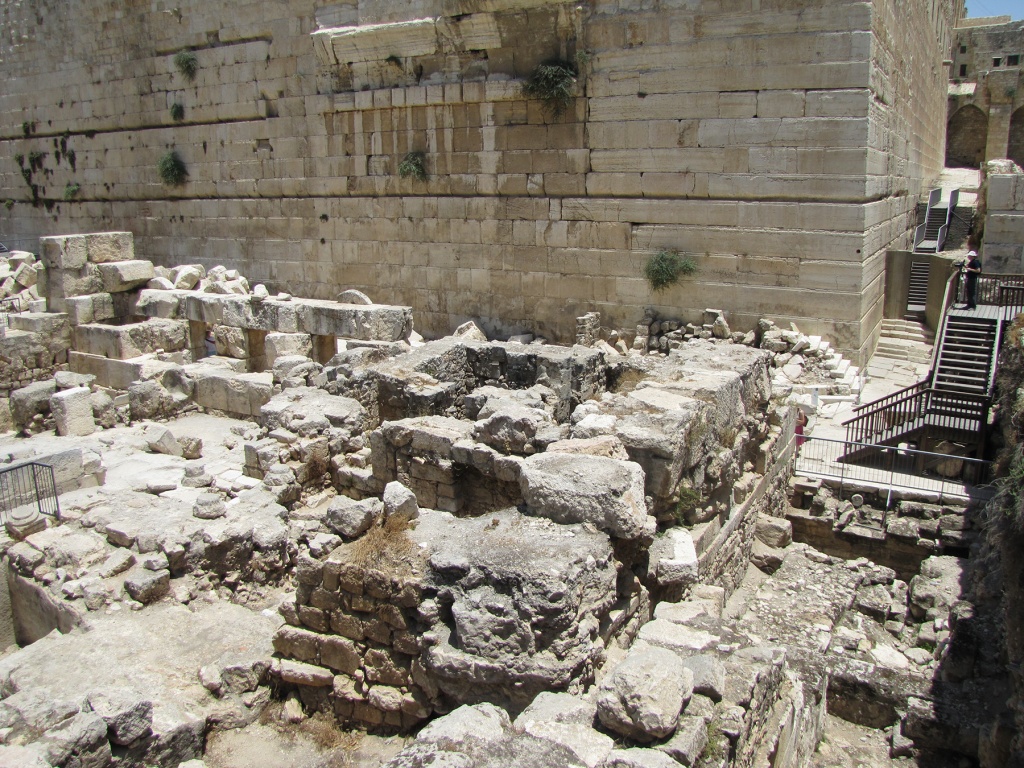
If this year activity in many areas of human activity, including archeology, has noticeably decreased due to the coronavirus pandemic, then the past, 2019, was especially rich in finds. The ten most important - according to the media - discoveries in the field of biblical archeology are collected for your convenience in one material. We talked about some of them in more detail earlier. 10. European origins of the Old Testament Philistines During excavations of a settlement near Ashkelon, scientists managed to obtain DNA samples of the Philistines. Their research confirmed the well-known hypothesis that this people belonged to the European community of peoples. For several centuries they fought with the people of Abraham, Isaac and Jacob, later the Philistines were assimilated by the Jews and completely merged with them. 9. The ancient Edom kingdom had a developed technology for processing copper The slag found south of the Dead Sea, in the Israeli Cumin and the Jordanian Fainan, allowed scientists to conclude that the subjects of the Edom kingdom already used the technologies of copper mining and processing that were advanced for the ancient world about three thousand years ago. In addition, slag samples made it possible to clarify the dating of the formation of the Edom kingdom - it turned out that it was formed already in the middle of the 11th century BC, three centuries earlier than previously thought. The Bible says that kingship in Edom was established much earlier than the reign of the first kings of Israel (Genesis 36:31). 8. The altar with horns from Shiloh Archaeological surveys carried out in the area of Tel Shiloh (aka the Old Testament Shiloh, where the tabernacle with the Ark of the Covenant was located for several centuries in a row) allowed researchers to extract from the earth's interior a fragment similar to the corner of a horned altar. Touching this sacred object allowed a person to consider himself under the protection of the Lord God. Such an altar is mentioned in the Third Book of Kings: 1: 28): 'Joab fled to the tabernacle of the Lord and took hold of the horns of the altar.' 7. Wall of the Philistine city of Gath In Tel es-Safi, where more than three thousand years ago stood the city of the Philistines called Gath, archaeologists discovered the remains of the walls of the 9th century BC, which had an impressive thickness - up to four meters. The later walls of Gath (X-IX centuries BC), found earlier, were twice as thin. The archaeologist Aren Meyer called the defenses of the Philistine city discovered last year 'the layer of Goliath,' after the giant Philistine who lived in Gath, who fought with the future king of Israel David and lost to him. 6. Mosaic with Jesus Christ, multiplying bread and fish In Hippos, one of the cities of the Decapolis, while excavating the ruins of an early Byzantine church (about 450-615), researchers found a mosaic depicting the Savior who multiplies loaves and fishes in order to feed them five thousand people who came to listen to His sermon. Scientists suggest that the church was built on the very spot where this miraculous event described in the Gospel took place. Previously, it was believed that the multiplication of fish and loaves took place much to the north of this place. Раскопки у Арки Робинсона в Иерусалиме
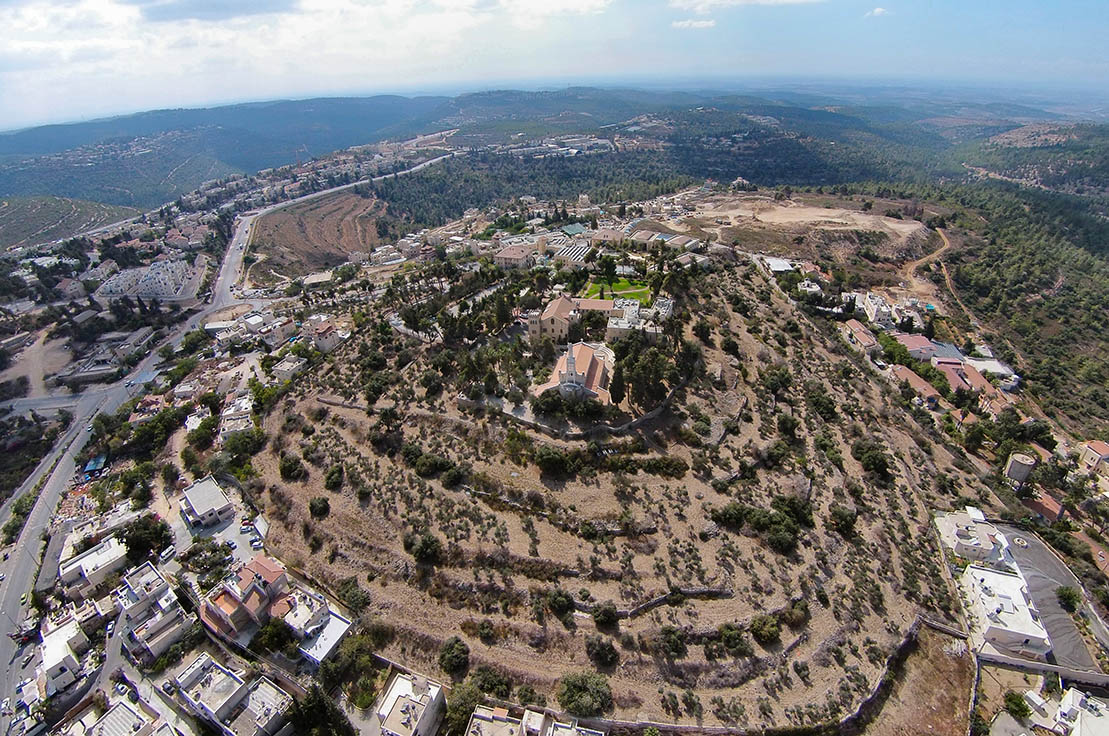
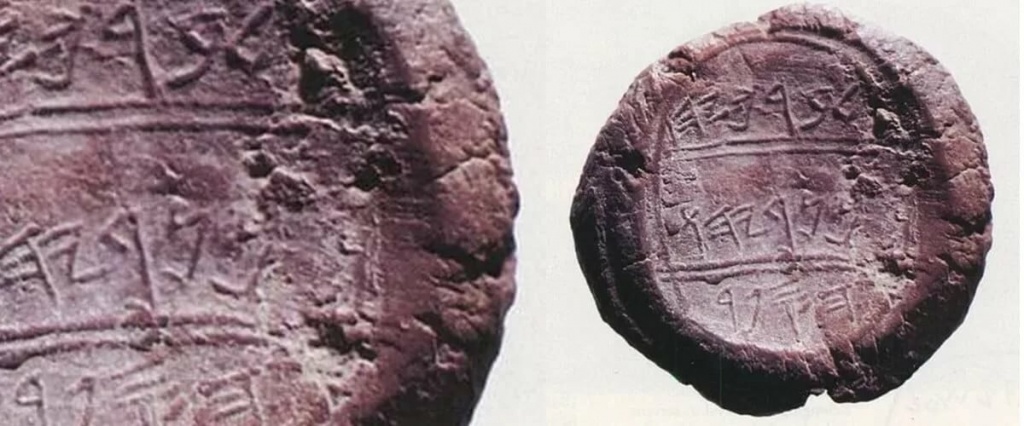
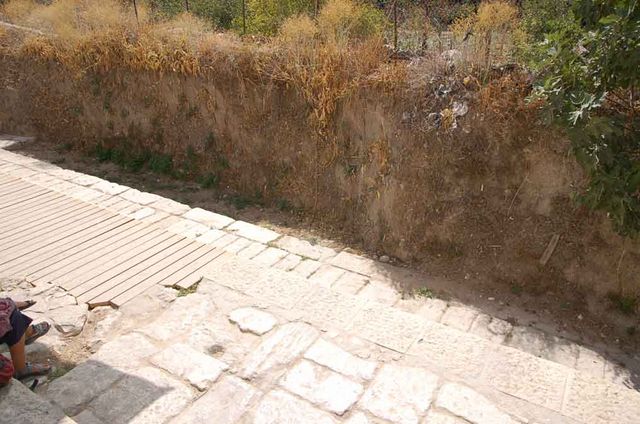
5. Imprint of the seal with the oldest inscription in the Hebrew language During the surveys carried out in Jerusalem, in the area of the Temple Mount, a clay seal was found with the name Gaalyahu, son of Imeru. The last name, according to the Bible (1 Chron.24: 14), was borne by one of the priestly dynasties. In the Holy Scripture, in particular, it is mentioned (Jer. 20) that Pashor, the son of Emmer, served in the Temple in the year when the city was captured by the Babylonians. Оттиск печати с надписью на древнееврейском языке 4. The seal of the royal housekeeper. Another clay print, a later one, was discovered last year near the southwestern part of the Temple Mount - it was removed from under the Robinson Arch. On a fragment of clay, the word 'Adonijah' and the position - 'royal housekeeper' are easily read. This name is found three times in the Old Testament - in particular, that was the name of one of the sons of the king and the prophet David. However, neither he nor two other biblical characters with this name lived in the 7th century, to whom scholars date the print, and did not serve as a steward of any of the kings of Israel. Apparently, the print was made with a seal that belonged to a completely different person, about whom the biblical narrative does not contain evidence. 3. Imprint of the seal of the royal eunuch Finally, a third seal with a biblical name was found last year at the largest active excavation site in Jerusalem, Givati. He was abandoned by the king's servant Nathan-Melech. This position is repeatedly mentioned in the Holy Scriptures, and the name is found in the Fourth Book of Kings: Nathan-Melech was the eunuch of King Josiah. The print was found under the ruins of a house, supposedly destroyed in 586 BC during the capture of Jerusalem by the Babylonians. Jerusalem 'align =' left '> 2. Emmaus mentioned in the Gospel was found in Kiriath-Jarim The Apostle and Evangelist Luke, telling about the meeting of the Savior with two disciples on the way to Emmaus (Luke 24: 13-34), mentions that this settlement was at a distance of sixty Roman stadia (a little more than 11 kilometers) from Jerusalem. There were many versions concerning exactly where this village was located, but none of them seemed completely convincing. Israel Finkelstein, an archaeologist from Israel, relying on the results of excavations of defensive structures of the Hellenistic era near Kiriath Yarim, stated that it was there that Emmaus was located. The researcher explained that there were only two defensive structures of this period near Jerusalem (they are mentioned in the First Book of Maccabees (9:50) and in the Roman historian Flavius Josephus). One of them is consonant with Emmaus and is located just 11 kilometers from ancient Jerusalem. Паломническая тропа близ купели Силоамской в Иерусалиме 1. The ancient pilgrimage route in Jerusalem Back in 2004, during the repair of the Jerusalem water pipeline, an ancient reservoir was discovered, which turned out to be mentioned in the New Testament of Siloam baptismal font (John 9: 7), where the pilgrims who came from all over the Holy Land for prayer and sacrifice in the Jerusalem Temple performed ablution. And last year, not far from the font, an ancient path was found, along which the path of the pilgrims ran until the first century AD. Diplomats and politicians from different countries came to get acquainted with this important discovery. However, the excavations at the City of David provoked a protest from the local Arab population.
Top Ten Discoveries of Biblical Archeology for 2019Top Ten Discoveries of Biblical Archeology for 2019 If this year activity in many areas of human activity, including archeology, has noticeably decreased due to the coronavirus pandemic, then the past, 2019, was especially rich in finds. The ten most important - according to the media - discoveries in the field of biblical archeology are collected for your convenience in one material. We talked about some of them in more detail earlier. 10. European origins of the Old Testament Philistines During excavations of a settlement near Ashkelon, scientists managed to obtain DNA samples of the Philistines. Their research confirmed the well-known hypothesis that this people belonged to the European community of peoples. For several centuries they fought with the people of Abraham, Isaac and Jacob, later the Philistines were assimilated by the Jews and completely merged with them. 9. The ancient Edom kingdom had a developed technology for processing copper The slag found south of the Dead Sea, in the Israeli Cumin and the Jordanian Fainan, allowed scientists to conclude that the subjects of the Edom kingdom already used the technologies of copper mining and processing that were advanced for the ancient world about three thousand years ago. In addition, slag samples made it possible to clarify the dating of the formation of the Edom kingdom - it turned out that it was formed already in the middle of the 11th century BC, three centuries earlier than previously thought. The Bible says that kingship in Edom was established much earlier than the reign of the first kings of Israel (Genesis 36:31). 8. The altar with horns from Shiloh Archaeological surveys carried out in the area of Tel Shiloh (aka the Old Testament Shiloh, where the tabernacle with the Ark of the Covenant was located for several centuries in a row) allowed researchers to extract from the earth's interior a fragment similar to the corner of a horned altar. Touching this sacred object allowed a person to consider himself under the protection of the Lord God. Such an altar is mentioned in the Third Book of Kings: 1: 28): 'Joab fled to the tabernacle of the Lord and took hold of the horns of the altar.' 7. Wall of the Philistine city of Gath In Tel es-Safi, where more than three thousand years ago stood the city of the Philistines called Gath, archaeologists discovered the remains of the walls of the 9th century BC, which had an impressive thickness - up to four meters. The later walls of Gath (X-IX centuries BC), found earlier, were twice as thin. The archaeologist Aren Meyer called the defenses of the Philistine city discovered last year 'the layer of Goliath,' after the giant Philistine who lived in Gath, who fought with the future king of Israel David and lost to him. 6. Mosaic with Jesus Christ, multiplying bread and fish In Hippos, one of the cities of the Decapolis, while excavating the ruins of an early Byzantine church (about 450-615), researchers found a mosaic depicting the Savior who multiplies loaves and fishes in order to feed them five thousand people who came to listen to His sermon. Scientists suggest that the church was built on the very spot where this miraculous event described in the Gospel took place. Previously, it was believed that the multiplication of fish and loaves took place much to the north of this place. Раскопки у Арки Робинсона в Иерусалиме 5. Imprint of the seal with the oldest inscription in the Hebrew language During the surveys carried out in Jerusalem, in the area of the Temple Mount, a clay seal was found with the name Gaalyahu, son of Imeru. The last name, according to the Bible (1 Chron.24: 14), was borne by one of the priestly dynasties. In the Holy Scripture, in particular, it is mentioned (Jer. 20) that Pashor, the son of Emmer, served in the Temple in the year when the city was captured by the Babylonians. Оттиск печати с надписью на древнееврейском языке 4. The seal of the royal housekeeper. Another clay print, a later one, was discovered last year near the southwestern part of the Temple Mount - it was removed from under the Robinson Arch. On a fragment of clay, the word 'Adonijah' and the position - 'royal housekeeper' are easily read. This name is found three times in the Old Testament - in particular, that was the name of one of the sons of the king and the prophet David. However, neither he nor two other biblical characters with this name lived in the 7th century, to whom scholars date the print, and did not serve as a steward of any of the kings of Israel. Apparently, the print was made with a seal that belonged to a completely different person, about whom the biblical narrative does not contain evidence. 3. Imprint of the seal of the royal eunuch Finally, a third seal with a biblical name was found last year at the largest active excavation site in Jerusalem, Givati. He was abandoned by the king's servant Nathan-Melech. This position is repeatedly mentioned in the Holy Scriptures, and the name is found in the Fourth Book of Kings: Nathan-Melech was the eunuch of King Josiah. The print was found under the ruins of a house, supposedly destroyed in 586 BC during the capture of Jerusalem by the Babylonians. Jerusalem 'align =' left '> 2. Emmaus mentioned in the Gospel was found in Kiriath-Jarim The Apostle and Evangelist Luke, telling about the meeting of the Savior with two disciples on the way to Emmaus (Luke 24: 13-34), mentions that this settlement was at a distance of sixty Roman stadia (a little more than 11 kilometers) from Jerusalem. There were many versions concerning exactly where this village was located, but none of them seemed completely convincing. Israel Finkelstein, an archaeologist from Israel, relying on the results of excavations of defensive structures of the Hellenistic era near Kiriath Yarim, stated that it was there that Emmaus was located. The researcher explained that there were only two defensive structures of this period near Jerusalem (they are mentioned in the First Book of Maccabees (9:50) and in the Roman historian Flavius Josephus). One of them is consonant with Emmaus and is located just 11 kilometers from ancient Jerusalem. Паломническая тропа близ купели Силоамской в Иерусалиме 1. The ancient pilgrimage route in Jerusalem Back in 2004, during the repair of the Jerusalem water pipeline, an ancient reservoir was discovered, which turned out to be mentioned in the New Testament of Siloam baptismal font (John 9: 7), where the pilgrims who came from all over the Holy Land for prayer and sacrifice in the Jerusalem Temple performed ablution. And last year, not far from the font, an ancient path was found, along which the path of the pilgrims ran until the first century AD. Diplomats and politicians from different countries came to get acquainted with this important discovery. However, the excavations at the City of David provoked a protest from the local Arab population.Свеча Иерусалима -en
If this year activity in many areas of human activity, including archeology, has noticeably decreased due to the coronavirus pandemic, then the past, 2019, was especially rich in finds. The ten most important - according to the media - discoveries in the field of biblical archeology are collected for your convenience in one material. We talked about some of them in more detail earlier. 10. European origins of the Old Testament Philistines During excavations of a settlement near Ashkelon, scientists managed to obtain DNA samples of the Philistines. Their research confirmed the well-known hypothesis that this people belonged to the European community of peoples. For several centuries they fought with the people of Abraham, Isaac and Jacob, later the Philistines were assimilated by the Jews and completely merged with them. 9. The ancient Edom kingdom had a developed technology for processing copper The slag found south of the Dead Sea, in the Israeli Cumin and the Jordanian Fainan, allowed scientists to conclude that the subjects of the Edom kingdom already used the technologies of copper mining and processing that were advanced for the ancient world about three thousand years ago. In addition, slag samples made it possible to clarify the dating of the formation of the Edom kingdom - it turned out that it was formed already in the middle of the 11th century BC, three centuries earlier than previously thought. The Bible says that kingship in Edom was established much earlier than the reign of the first kings of Israel (Genesis 36:31). 8. The altar with horns from Shiloh Archaeological surveys carried out in the area of Tel Shiloh (aka the Old Testament Shiloh, where the tabernacle with the Ark of the Covenant was located for several centuries in a row) allowed researchers to extract from the earth's interior a fragment similar to the corner of a horned altar. Touching this sacred object allowed a person to consider himself under the protection of the Lord God. Such an altar is mentioned in the Third Book of Kings: 1: 28): 'Joab fled to the tabernacle of the Lord and took hold of the horns of the altar.' 7. Wall of the Philistine city of Gath In Tel es-Safi, where more than three thousand years ago stood the city of the Philistines called Gath, archaeologists discovered the remains of the walls of the 9th century BC, which had an impressive thickness - up to four meters. The later walls of Gath (X-IX centuries BC), found earlier, were twice as thin. The archaeologist Aren Meyer called the defenses of the Philistine city discovered last year 'the layer of Goliath,' after the giant Philistine who lived in Gath, who fought with the future king of Israel David and lost to him. 6. Mosaic with Jesus Christ, multiplying bread and fish In Hippos, one of the cities of the Decapolis, while excavating the ruins of an early Byzantine church (about 450-615), researchers found a mosaic depicting the Savior who multiplies loaves and fishes in order to feed them five thousand people who came to listen to His sermon. Scientists suggest that the church was built on the very spot where this miraculous event described in the Gospel took place. Previously, it was believed that the multiplication of fish and loaves took place much to the north of this place. Раскопки у Арки Робинсона в Иерусалиме 5. Imprint of the seal with the oldest inscription in the Hebrew language During the surveys carried out in Jerusalem, in the area of the Temple Mount, a clay seal was found with the name Gaalyahu, son of Imeru. The last name, according to the Bible (1 Chron.24: 14), was borne by one of the priestly dynasties. In the Holy Scripture, in particular, it is mentioned (Jer. 20) that Pashor, the son of Emmer, served in the Temple in the year when the city was captured by the Babylonians. Оттиск печати с надписью на древнееврейском языке 4. The seal of the royal housekeeper. Another clay print, a later one, was discovered last year near the southwestern part of the Temple Mount - it was removed from under the Robinson Arch. On a fragment of clay, the word 'Adonijah' and the position - 'royal housekeeper' are easily read. This name is found three times in the Old Testament - in particular, that was the name of one of the sons of the king and the prophet David. However, neither he nor two other biblical characters with this name lived in the 7th century, to whom scholars date the print, and did not serve as a steward of any of the kings of Israel. Apparently, the print was made with a seal that belonged to a completely different person, about whom the biblical narrative does not contain evidence. 3. Imprint of the seal of the royal eunuch Finally, a third seal with a biblical name was found last year at the largest active excavation site in Jerusalem, Givati. He was abandoned by the king's servant Nathan-Melech. This position is repeatedly mentioned in the Holy Scriptures, and the name is found in the Fourth Book of Kings: Nathan-Melech was the eunuch of King Josiah. The print was found under the ruins of a house, supposedly destroyed in 586 BC during the capture of Jerusalem by the Babylonians. Jerusalem 'align =' left '> 2. Emmaus mentioned in the Gospel was found in Kiriath-Jarim The Apostle and Evangelist Luke, telling about the meeting of the Savior with two disciples on the way to Emmaus (Luke 24: 13-34), mentions that this settlement was at a distance of sixty Roman stadia (a little more than 11 kilometers) from Jerusalem. There were many versions concerning exactly where this village was located, but none of them seemed completely convincing. Israel Finkelstein, an archaeologist from Israel, relying on the results of excavations of defensive structures of the Hellenistic era near Kiriath Yarim, stated that it was there that Emmaus was located. The researcher explained that there were only two defensive structures of this period near Jerusalem (they are mentioned in the First Book of Maccabees (9:50) and in the Roman historian Flavius Josephus). One of them is consonant with Emmaus and is located just 11 kilometers from ancient Jerusalem. Паломническая тропа близ купели Силоамской в Иерусалиме 1. The ancient pilgrimage route in Jerusalem Back in 2004, during the repair of the Jerusalem water pipeline, an ancient reservoir was discovered, which turned out to be mentioned in the New Testament of Siloam baptismal font (John 9: 7), where the pilgrims who came from all over the Holy Land for prayer and sacrifice in the Jerusalem Temple performed ablution. And last year, not far from the font, an ancient path was found, along which the path of the pilgrims ran until the first century AD. Diplomats and politicians from different countries came to get acquainted with this important discovery. However, the excavations at the City of David provoked a protest from the local Arab population.