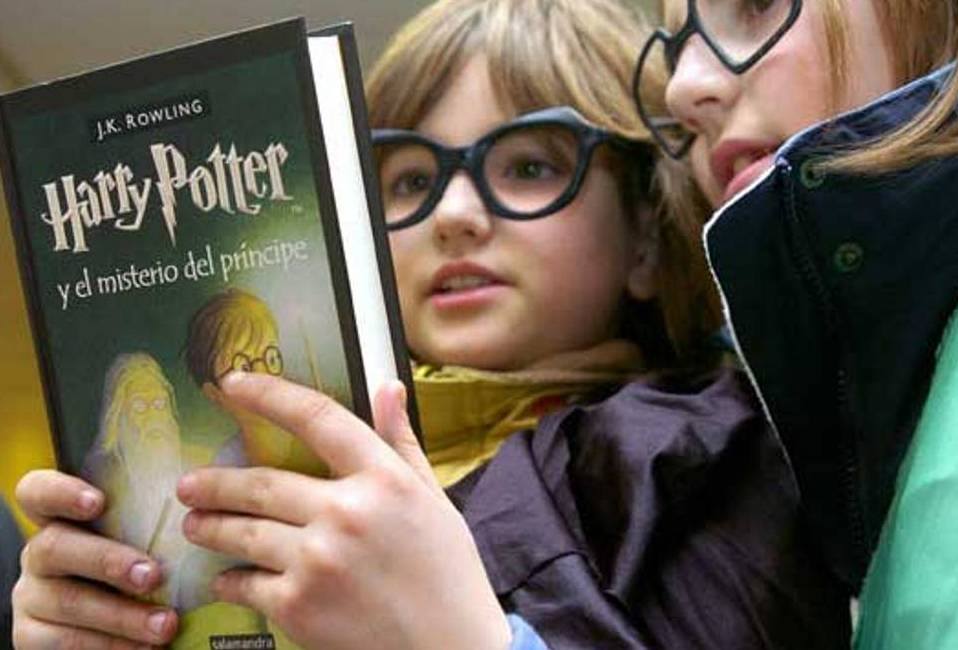
Library at Catholic school stopped lending Harry Potter books

Библиотека в католической школе перестала выдавать книги о Гарри Поттере

At St. Edward's Catholic School in Nashville, Tennessee, students can no longer borrow any books about the wizard boy Harry Potter. The ban was introduced at the request of the confessor of the educational institution, priest Dan Richil, who claims that in the multivolume epic of J.K. Rowling, real spells are given that can summon demons and other representatives of evil spirits.

According to the priest, with his thoughts on this matter, he turned to professional exorcists from the United States and even from Rome - and they confirmed his fears. Since the members of the school's parent committee reacted to the ban, to put it mildly, with bewilderment, Father Dan Richil sent a letter justifying his position to the local newspaper The Tennessean. The curator of Catholic schools in Nashville, Rebecca Hammel, confirmed that priests have the right to impose such bans in schools where they are confessors. In addition, the books were not withdrawn from the school library: they simply are no longer handed out to students.

The Harry Potter fairytale saga was launched by Bloomsbury back in 1997 - the first book in this series was published in just a thousand copies. Today, the cumulative circulation of all the books about Harry Potter and his friends sold is about 500 million copies worldwide. At the same time, the attitude of Christian clergy - Catholic, Orthodox, Protestant and others - to this book is ambiguous: somewhere it is considered harmful to children and adolescents, somewhere completely harmless and even in some way edifying.

Share:
Library at Catholic school stopped lending Harry Potter books Library at Catholic school stopped lending Harry Potter books At St. Edward's Catholic School in Nashville, Tennessee, students can no longer borrow any books about the wizard boy Harry Potter. The ban was introduced at the request of the confessor of the educational institution, priest Dan Richil, who claims that in the multivolume epic of J.K. Rowling, real spells are given that can summon demons and other representatives of evil spirits. According to the priest, with his thoughts on this matter, he turned to professional exorcists from the United States and even from Rome - and they confirmed his fears. Since the members of the school's parent committee reacted to the ban, to put it mildly, with bewilderment, Father Dan Richil sent a letter justifying his position to the local newspaper The Tennessean. The curator of Catholic schools in Nashville, Rebecca Hammel, confirmed that priests have the right to impose such bans in schools where they are confessors. In addition, the books were not withdrawn from the school library: they simply are no longer handed out to students. The Harry Potter fairytale saga was launched by Bloomsbury back in 1997 - the first book in this series was published in just a thousand copies. Today, the cumulative circulation of all the books about Harry Potter and his friends sold is about 500 million copies worldwide. At the same time, the attitude of Christian clergy - Catholic, Orthodox, Protestant and others - to this book is ambiguous: somewhere it is considered harmful to children and adolescents, somewhere completely harmless and even in some way edifying.
At St. Edward's Catholic School in Nashville, Tennessee, students can no longer borrow any books about the wizard boy Harry Potter. The ban was introduced at the request of the confessor of the educational institution, priest Dan Richil, who claims that in the multivolume epic of J.K. Rowling, real spells are given that can summon demons and other representatives of evil spirits. According to the priest, with his thoughts on this matter, he turned to professional exorcists from the United States and even from Rome - and they confirmed his fears. Since the members of the school's parent committee reacted to the ban, to put it mildly, with bewilderment, Father Dan Richil sent a letter justifying his position to the local newspaper The Tennessean. The curator of Catholic schools in Nashville, Rebecca Hammel, confirmed that priests have the right to impose such bans in schools where they are confessors. In addition, the books were not withdrawn from the school library: they simply are no longer handed out to students. The Harry Potter fairytale saga was launched by Bloomsbury back in 1997 - the first book in this series was published in just a thousand copies. Today, the cumulative circulation of all the books about Harry Potter and his friends sold is about 500 million copies worldwide. At the same time, the attitude of Christian clergy - Catholic, Orthodox, Protestant and others - to this book is ambiguous: somewhere it is considered harmful to children and adolescents, somewhere completely harmless and even in some way edifying.