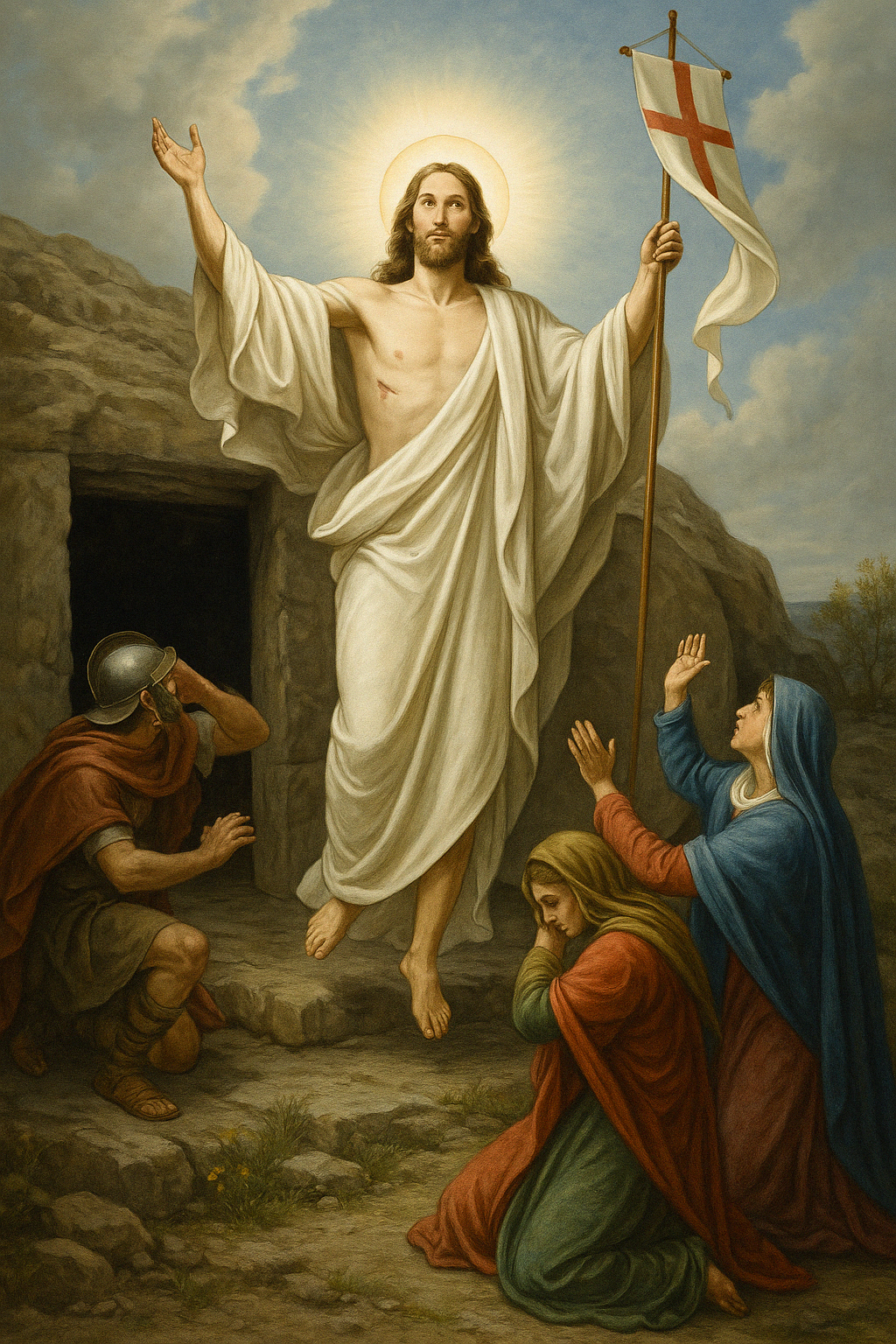
On April 20, 2025, Christians around the world joyfully celebrate Easter Sunday, the Resurrection of Jesus Christ. Easter is the central feast of the liturgical year, the celebration of faith, hope, and love. It is the triumph of life over death, light over darkness, good over evil.
The Gospel Account
On the third day after Jesus' crucifixion, women came to the tomb to anoint His body. They found the stone rolled away and the tomb empty. An angel proclaimed, "He is not here; He has risen!" (Luke 24:6).
The Resurrection is not merely a historical event, but a spiritual reality that offers eternal life, forgiveness, and salvation. It affirms that Jesus is the Son of God and the Conqueror of sin and death.
Liturgy and Traditions
Easter Vigil, celebrated on the night of Holy Saturday, is the most solemn liturgy of the year. It begins in darkness and ends in light. The Paschal candle is lit, spreading the flame of Christ's Resurrection. The Exsultet, the Easter Proclamation, is sung. The faithful renew their baptismal promises and greet each other with the words: "Christ is risen! — Truly He is risen!"
Throughout the Easter Octave and the 50 days until Pentecost, the Church continues to rejoice in the risen Lord.
Theological Meaning
Easter is not only a commemoration of a past event. It is the beginning of a new life for every believer. The Resurrection calls us out of the tombs of fear, sin, and despair into the light and freedom of Christ. It is a celebration that transforms all of human history.
Contemporary Relevance
In a world shaken by wars, disease, loneliness, and doubt, Easter proclaims hope. Christ has overcome death and all forms of oppression. Easter is God's final word against destruction and emptiness: "Because I live, you also will live" (John 14:19).