Pilate paved street discovered in Jerusalem

В Иерусалиме обнаружили улицу, проложенную Пилатом

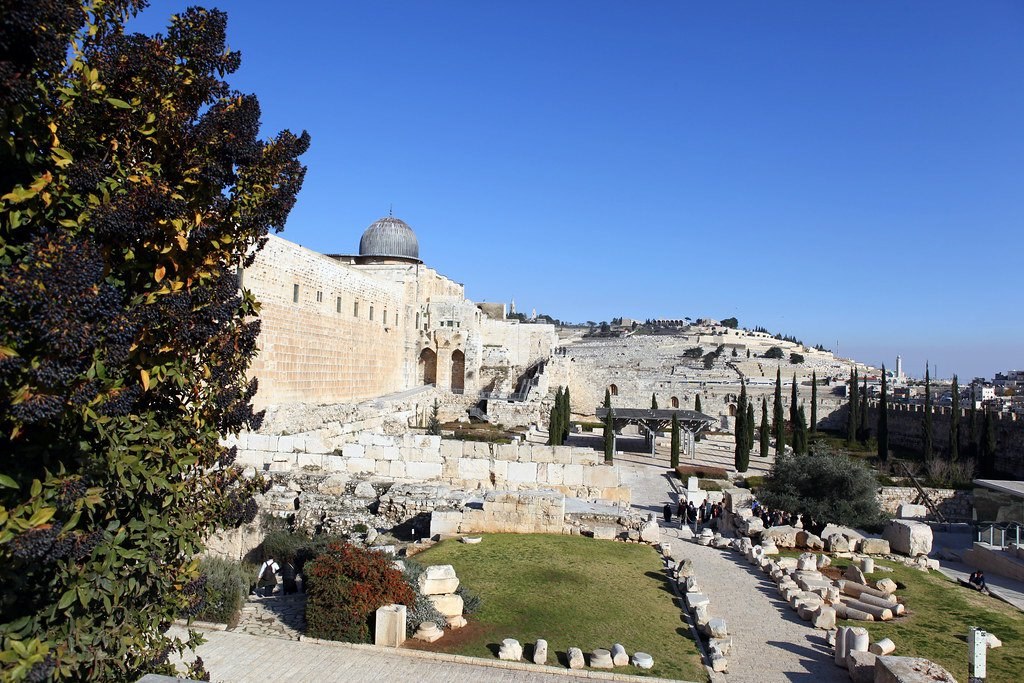
In the Holy City, archaeologists have found a road that was paved by the fifth prefect of Judea, Pontius Pilate, reports The Independent. The six-hundred-meter street, paved with large stone slabs, is about eight meters wide.
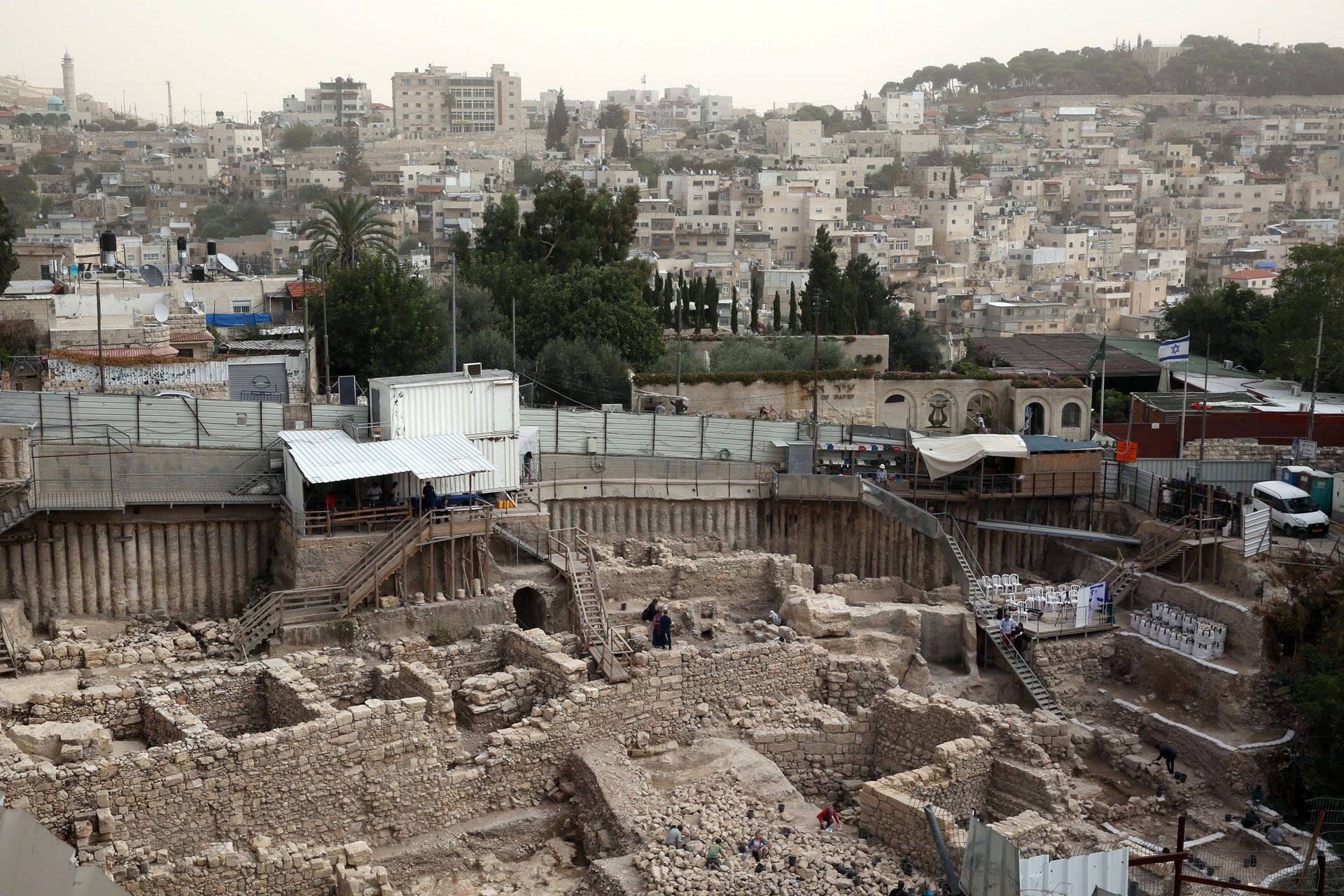
In order to build it, the builders used about ten thousand kilograms of limestone rock. The road begins at the pool of Siloam, where, according to the Gospel story, the Lord Jesus Christ healed a blind man - and ends at the base of the Temple Mount. Findings made during archaeological research helped to pinpoint the time of the road - more than a hundred coins of various denominations and origins indicate that the road was built around 31 AD. Other discovered artifacts - arrowheads, throwing stones, burnt fragments of wood - suggest that the road was buried under the ruins in 70, during the capture and destruction of Jerusalem by the Romans.

Delite:
Pilate paved street discovered in Jerusalem Pilate paved street discovered in Jerusalem In the Holy City, archaeologists have found a road that was paved by the fifth prefect of Judea, Pontius Pilate, reports The Independent. The six-hundred-meter street, paved with large stone slabs, is about eight meters wide. In order to build it, the builders used about ten thousand kilograms of limestone rock. The road begins at the pool of Siloam, where, according to the Gospel story, the Lord Jesus Christ healed a blind man - and ends at the base of the Temple Mount. Findings made during archaeological research helped to pinpoint the time of the road - more than a hundred coins of various denominations and origins indicate that the road was built around 31 AD. Other discovered artifacts - arrowheads, throwing stones, burnt fragments of wood - suggest that the road was buried under the ruins in 70, during the capture and destruction of Jerusalem by the Romans. Interestingly, fragments of this street were found by British archaeologists back in 1894 - however, large-scale work began here only six years ago. During this time, specialists managed to unearth about 220 meters of ancient road masonry. Israeli scholars suggest that the road was built specifically for pilgrims arriving in Jerusalem. “If it were a simple road from point A to point B, there would be no need to build it so grandiose. The width of the road, coupled with the neatly carved stone and rich décor, indicate the importance of this street, ”says Joe Uziel, co-author of a study published in the journal of the Institute of Archeology at Tel Aviv University.
In the Holy City, archaeologists have found a road that was paved by the fifth prefect of Judea, Pontius Pilate, reports The Independent. The six-hundred-meter street, paved with large stone slabs, is about eight meters wide. In order to build it, the builders used about ten thousand kilograms of limestone rock. The road begins at the pool of Siloam, where, according to the Gospel story, the Lord Jesus Christ healed a blind man - and ends at the base of the Temple Mount. Findings made during archaeological research helped to pinpoint the time of the road - more than a hundred coins of various denominations and origins indicate that the road was built around 31 AD. Other discovered artifacts - arrowheads, throwing stones, burnt fragments of wood - suggest that the road was buried under the ruins in 70, during the capture and destruction of Jerusalem by the Romans. Interestingly, fragments of this street were found by British archaeologists back in 1894 - however, large-scale work began here only six years ago. During this time, specialists managed to unearth about 220 meters of ancient road masonry. Israeli scholars suggest that the road was built specifically for pilgrims arriving in Jerusalem. “If it were a simple road from point A to point B, there would be no need to build it so grandiose. The width of the road, coupled with the neatly carved stone and rich décor, indicate the importance of this street, ”says Joe Uziel, co-author of a study published in the journal of the Institute of Archeology at Tel Aviv University.