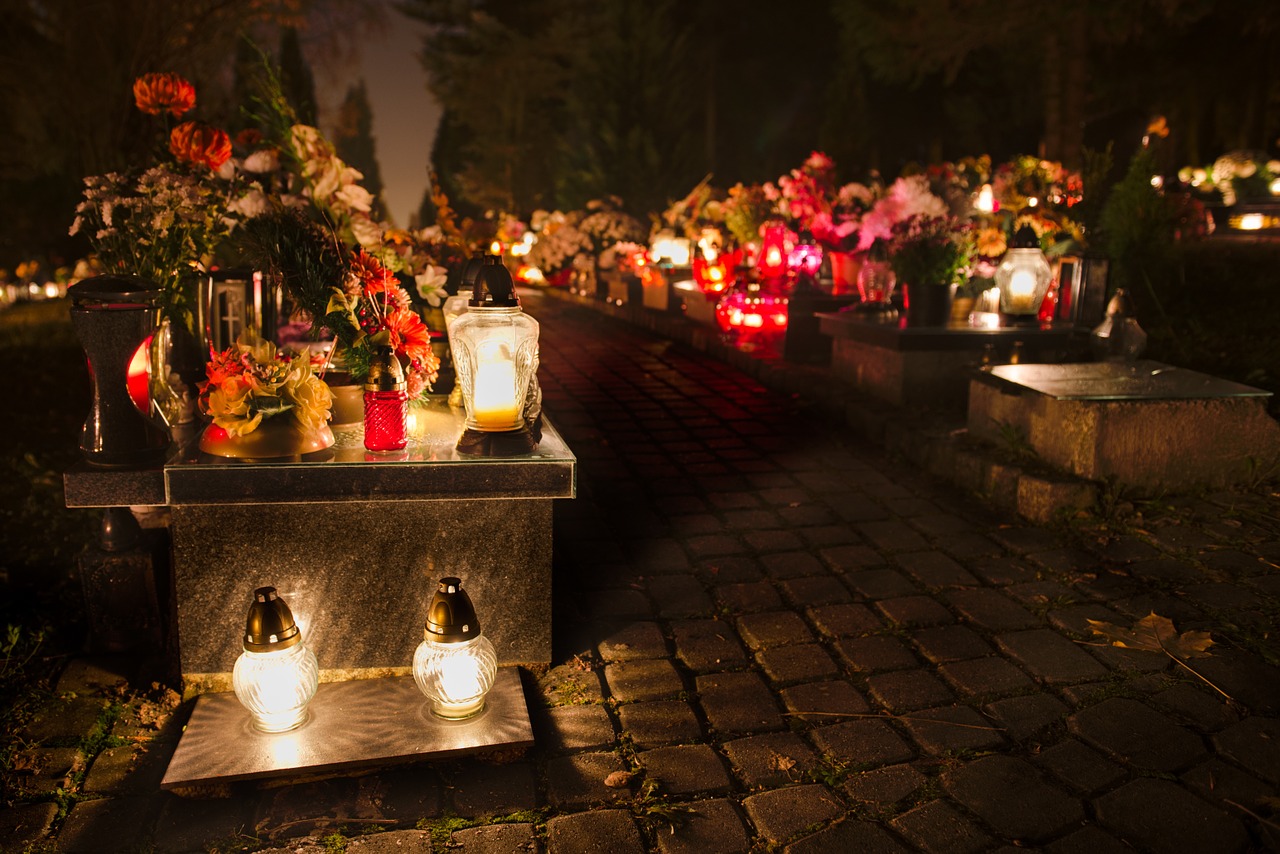
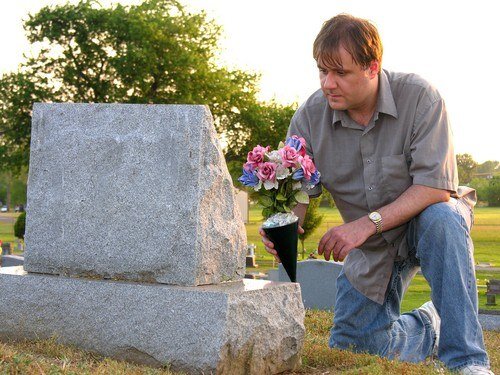
On the last Sunday of the church year in Germany, Totensonntag is celebrated - Memorial Day. On this day, during services in churches, the names of all the dead are called, regardless of the statute of limitations; bells are ringing mournfully on the belfries. In cemeteries, believers commemorate relatives with lit candles, memorial prayers and chants. В День поминовения усопших многие посещают могилки близких на кладбище.jpg The atmosphere of the last month of autumn - gloomy and rainy - perfectly matches the mood of this special day. However, only a week will pass - and the light of the first Advent candle will light up again, reminding that death is not the end, but only the limit of earthly life. Memorial Day dates back to the 15th century, when believers gathered in churches and prayed to the Lord God for the repose of those who had passed away. In the 16th century, Protestants rejected the Catholic All Saints Day, as they wanted to disassociate themselves from the cult of burial and veneration of the dead. Therefore, until the beginning of the 19th century, the commemoration of the dead in Protestant churches was not performed. However, in 1816, the Prussian king Frederick William III declared the last Sunday of the year according to church calendar 'Day of Remembrance for those killed in the war of liberation against Napoleon.' Over time, many other regional dates associated with the memory of the departed and often initially not of a religious nature were timed to this day. Over time, the Protestant Church adopted this date and officially approved the Day of Commemoration of the Dead, in a sense opposing it to the Catholic Day of All Saints, which is celebrated on November 1.
Memorial Day was held in GermanyMemorial Day was held in GermanyOn the last Sunday of the church year in Germany, Totensonntag is celebrated - Memorial Day. On this day, during services in churches, the names of all the dead are called, regardless of the statute of limitations; bells are ringing mournfully on the belfries. In cemeteries, believers commemorate relatives with lit candles, memorial prayers and chants. В День поминовения усопших многие посещают могилки близких на кладбище.jpg The atmosphere of the last month of autumn - gloomy and rainy - perfectly matches the mood of this special day. However, only a week will pass - and the light of the first Advent candle will light up again, reminding that death is not the end, but only the limit of earthly life. Memorial Day dates back to the 15th century, when believers gathered in churches and prayed to the Lord God for the repose of those who had passed away. In the 16th century, Protestants rejected the Catholic All Saints Day, as they wanted to disassociate themselves from the cult of burial and veneration of the dead. Therefore, until the beginning of the 19th century, the commemoration of the dead in Protestant churches was not performed. However, in 1816, the Prussian king Frederick William III declared the last Sunday of the year according to church calendar 'Day of Remembrance for those killed in the war of liberation against Napoleon.' Over time, many other regional dates associated with the memory of the departed and often initially not of a religious nature were timed to this day. Over time, the Protestant Church adopted this date and officially approved the Day of Commemoration of the Dead, in a sense opposing it to the Catholic Day of All Saints, which is celebrated on November 1.Свеча Иерусалима -sr
On the last Sunday of the church year in Germany, Totensonntag is celebrated - Memorial Day. On this day, during services in churches, the names of all the dead are called, regardless of the statute of limitations; bells are ringing mournfully on the belfries. In cemeteries, believers commemorate relatives with lit candles, memorial prayers and chants. В День поминовения усопших многие посещают могилки близких на кладбище.jpg The atmosphere of the last month of autumn - gloomy and rainy - perfectly matches the mood of this special day. However, only a week will pass - and the light of the first Advent candle will light up again, reminding that death is not the end, but only the limit of earthly life. Memorial Day dates back to the 15th century, when believers gathered in churches and prayed to the Lord God for the repose of those who had passed away. In the 16th century, Protestants rejected the Catholic All Saints Day, as they wanted to disassociate themselves from the cult of burial and veneration of the dead. Therefore, until the beginning of the 19th century, the commemoration of the dead in Protestant churches was not performed. However, in 1816, the Prussian king Frederick William III declared the last Sunday of the year according to church calendar 'Day of Remembrance for those killed in the war of liberation against Napoleon.' Over time, many other regional dates associated with the memory of the departed and often initially not of a religious nature were timed to this day. Over time, the Protestant Church adopted this date and officially approved the Day of Commemoration of the Dead, in a sense opposing it to the Catholic Day of All Saints, which is celebrated on November 1.