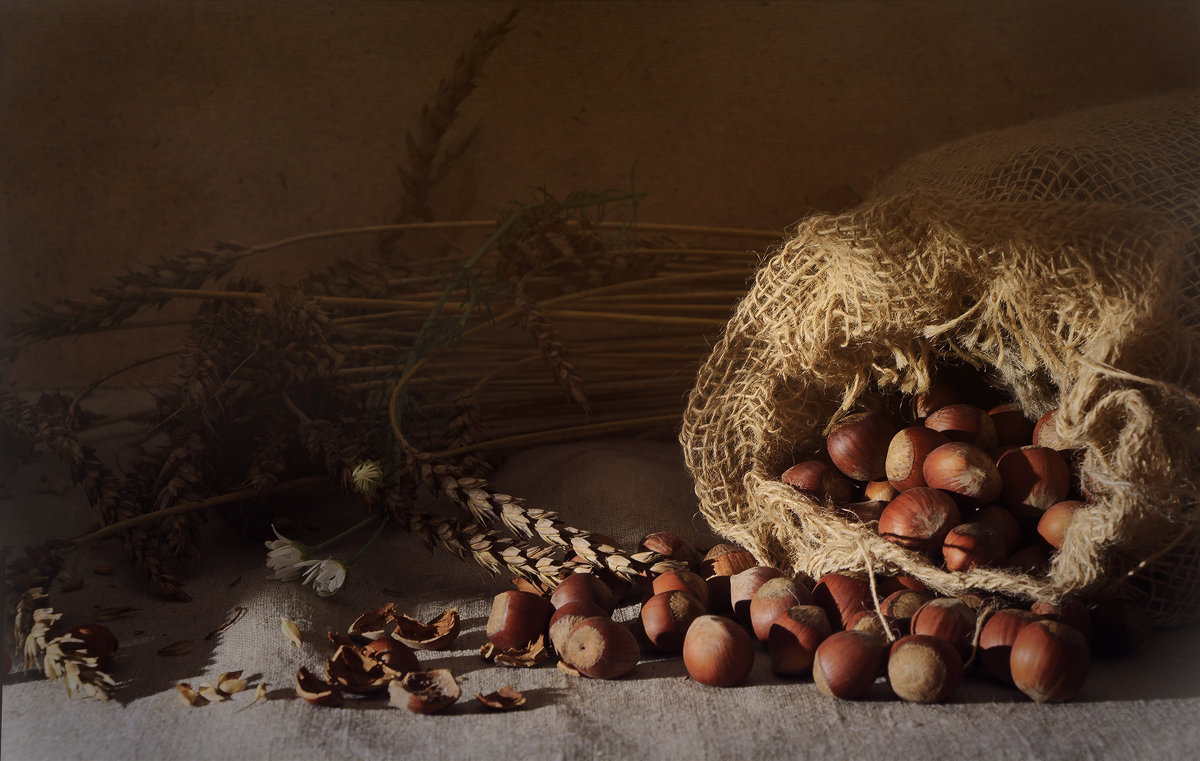
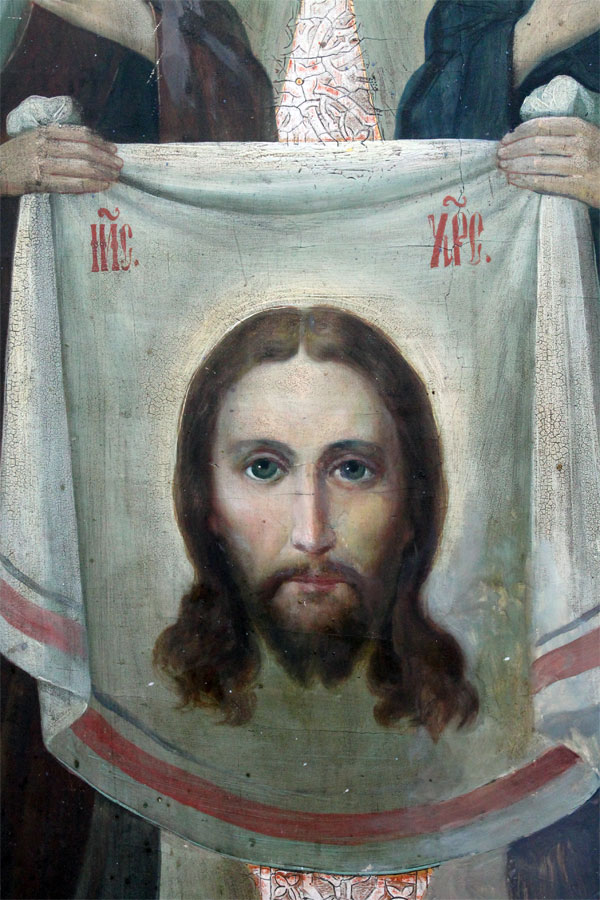
On August 29, the day after the feast of the Dormition of the Most Holy Theotokos, Orthodox believers prayerfully remember the events of the transfer of the Image of the Lord Jesus Christ not made by hands from Edessa to Constantinople. Holy Tradition tells how, during the time of the Savior's earthly life, the king of Edesa, Abgar, who was sick with leprosy, believed in Christ. At the same time, the king never in his life saw the Son of Man or his image in order to turn to Him in prayer and ask for deliverance from a terrible disease. Avgar sent a skilled painter to the Holy Land, instructing him to find Christ and capture his face. The painter found the Savior and conveyed to him the request of the king. But no matter how much the artist tried, he could not depict Him: before him was the ever-changing face of the Divine. Seeing this, Christ commanded to bring water and a towel. After washing, He put a towel to His face - and His image was immediately imprinted on the fabric in an incomprehensible way. The icon not made by hands was delivered to Edessa - and the king, making a prayer to the Lord God in front of her, received the long-awaited healing from the disease, which at that time was considered practically incurable. Нерукотворный образ Господа Иисуса Христа In subsequent centuries, copies of the Image Not Made by Hands spread among Christians in many countries. Through prayers in front of many of them, miraculous healings from a variety of ailments occurred. From Byzantium, the veneration of the Icon Not Made by Hands came to Russia. The day of celebration of the memory of this icon among the people began to be called the Nut or Bread Savior: just at this time, the collection of nuts and harvesting of grain was completed. Part of the harvest, starting with the Dormition, was consecrated in temples, thanking the Lord God for the generosity of the world He created. At home, the peasants baked bread from flour obtained from the milling of the new crop, blessed it at the festive service - and then treated relatives and friends. In the evening on the day of the holiday, it was customary, after heating the bath, to steam with brooms from hazel branches: it was believed that such a procedure gives the body vigor and flexibility. Autumn fairs traditionally began their work on Orekhovy Spas throughout Russia. From century to century, folk signs associated with this day were passed on. If it rained on August 29, thunder rumbled and lightning flashed, it was believed that the coming autumn would be warm. And the sight of flocks of cranes in the sky, flying south to Orekhovy Savior, told the ancestors that from October 14 - the Protection of the Most Holy Theotokos - frost should be expected.
Third Savior. He's Nut or BreadThird Savior. He's Nut or BreadOn August 29, the day after the feast of the Dormition of the Most Holy Theotokos, Orthodox believers prayerfully remember the events of the transfer of the Image of the Lord Jesus Christ not made by hands from Edessa to Constantinople. Holy Tradition tells how, during the time of the Savior's earthly life, the king of Edesa, Abgar, who was sick with leprosy, believed in Christ. At the same time, the king never in his life saw the Son of Man or his image in order to turn to Him in prayer and ask for deliverance from a terrible disease. Avgar sent a skilled painter to the Holy Land, instructing him to find Christ and capture his face. The painter found the Savior and conveyed to him the request of the king. But no matter how much the artist tried, he could not depict Him: before him was the ever-changing face of the Divine. Seeing this, Christ commanded to bring water and a towel. After washing, He put a towel to His face - and His image was immediately imprinted on the fabric in an incomprehensible way. The icon not made by hands was delivered to Edessa - and the king, making a prayer to the Lord God in front of her, received the long-awaited healing from the disease, which at that time was considered practically incurable. Нерукотворный образ Господа Иисуса Христа In subsequent centuries, copies of the Image Not Made by Hands spread among Christians in many countries. Through prayers in front of many of them, miraculous healings from a variety of ailments occurred. From Byzantium, the veneration of the Icon Not Made by Hands came to Russia. The day of celebration of the memory of this icon among the people began to be called the Nut or Bread Savior: just at this time, the collection of nuts and harvesting of grain was completed. Part of the harvest, starting with the Dormition, was consecrated in temples, thanking the Lord God for the generosity of the world He created. At home, the peasants baked bread from flour obtained from the milling of the new crop, blessed it at the festive service - and then treated relatives and friends. In the evening on the day of the holiday, it was customary, after heating the bath, to steam with brooms from hazel branches: it was believed that such a procedure gives the body vigor and flexibility. Autumn fairs traditionally began their work on Orekhovy Spas throughout Russia. From century to century, folk signs associated with this day were passed on. If it rained on August 29, thunder rumbled and lightning flashed, it was believed that the coming autumn would be warm. And the sight of flocks of cranes in the sky, flying south to Orekhovy Savior, told the ancestors that from October 14 - the Protection of the Most Holy Theotokos - frost should be expected.Свеча Иерусалима -sr
On August 29, the day after the feast of the Dormition of the Most Holy Theotokos, Orthodox believers prayerfully remember the events of the transfer of the Image of the Lord Jesus Christ not made by hands from Edessa to Constantinople. Holy Tradition tells how, during the time of the Savior's earthly life, the king of Edesa, Abgar, who was sick with leprosy, believed in Christ. At the same time, the king never in his life saw the Son of Man or his image in order to turn to Him in prayer and ask for deliverance from a terrible disease. Avgar sent a skilled painter to the Holy Land, instructing him to find Christ and capture his face. The painter found the Savior and conveyed to him the request of the king. But no matter how much the artist tried, he could not depict Him: before him was the ever-changing face of the Divine. Seeing this, Christ commanded to bring water and a towel. After washing, He put a towel to His face - and His image was immediately imprinted on the fabric in an incomprehensible way. The icon not made by hands was delivered to Edessa - and the king, making a prayer to the Lord God in front of her, received the long-awaited healing from the disease, which at that time was considered practically incurable. Нерукотворный образ Господа Иисуса Христа In subsequent centuries, copies of the Image Not Made by Hands spread among Christians in many countries. Through prayers in front of many of them, miraculous healings from a variety of ailments occurred. From Byzantium, the veneration of the Icon Not Made by Hands came to Russia. The day of celebration of the memory of this icon among the people began to be called the Nut or Bread Savior: just at this time, the collection of nuts and harvesting of grain was completed. Part of the harvest, starting with the Dormition, was consecrated in temples, thanking the Lord God for the generosity of the world He created. At home, the peasants baked bread from flour obtained from the milling of the new crop, blessed it at the festive service - and then treated relatives and friends. In the evening on the day of the holiday, it was customary, after heating the bath, to steam with brooms from hazel branches: it was believed that such a procedure gives the body vigor and flexibility. Autumn fairs traditionally began their work on Orekhovy Spas throughout Russia. From century to century, folk signs associated with this day were passed on. If it rained on August 29, thunder rumbled and lightning flashed, it was believed that the coming autumn would be warm. And the sight of flocks of cranes in the sky, flying south to Orekhovy Savior, told the ancestors that from October 14 - the Protection of the Most Holy Theotokos - frost should be expected.