Patriarch Kirill will celebrate the Liturgy at the Cathedral of Christ the Savior on the Day of the Baptism of Rus

Патриарх Кирилл совершит литургию в храме Христа Спасителя в День крещения Руси
On July 28, Russia celebrates the Day of the Baptism of Rus, which in the Orthodox calendar is the day of remembrance of the Holy Equal-to-the-Apostles Prince Vladimir, who baptized Rus. On this day, in addition to the Divine Liturgy in the Cathedral of Christ the Savior, the festive bell ringing will be performed in the churches of the Russian Orthodox Church with the blessing of the Patriarch. And in places where the epidemiological situation allows, religious processions will take place.

According to the chronicle tradition of Prince Vladimir, embassies of representatives of different faiths visited, calling to convert to their faith. A preacher sent from Byzantium told Vladimir about Orthodoxy and the prince made a fateful decision.

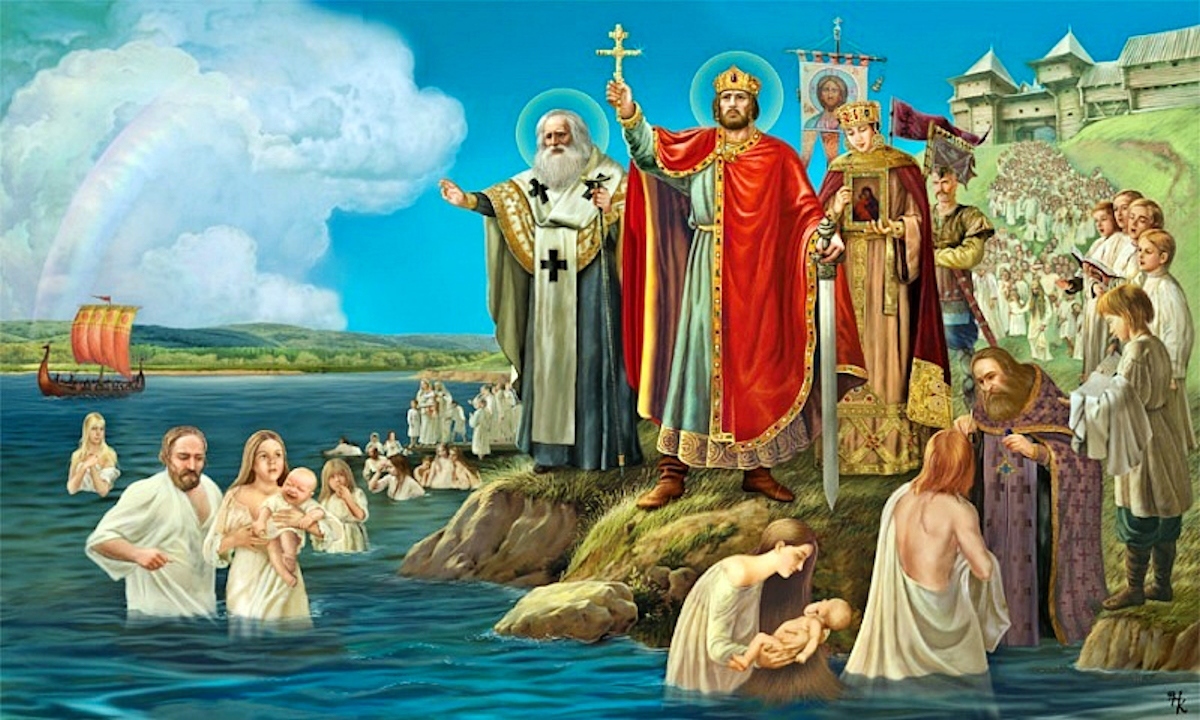
In 988, at the behest of the prince, a pagan temple was destroyed in Kiev, and the idols were thrown into the river. Then he ordered to gather all the inhabitants of Kiev on the bank of the Dnieper with the words: 'If someone does not come to the river tomorrow - rich or poor, beggar or slave - I will be my enemy.' The mass baptism of city residents took place at the confluence of the Pochayna River into the Dnieper.

Despite the prince's decisiveness, the Christian faith took root in Russia several hundred years after his death. The adoption of a new, united, faith became a serious impetus for the unification of the Russian lands.
Delite:
Patriarch Kirill will celebrate the Liturgy at the Cathedral of Christ the Savior on the Day of the Baptism of Rus Patriarch Kirill will celebrate the Liturgy at the Cathedral of Christ the Savior on the Day of the Baptism of Rus On July 28, Russia celebrates the Day of the Baptism of Rus, which in the Orthodox calendar is the day of remembrance of the Holy Equal-to-the-Apostles Prince Vladimir, who baptized Rus. On this day, in addition to the Divine Liturgy in the Cathedral of Christ the Savior, the festive bell ringing will be performed in the churches of the Russian Orthodox Church with the blessing of the Patriarch. And in places where the epidemiological situation allows, religious processions will take place. According to the chronicle tradition of Prince Vladimir, embassies of representatives of different faiths visited, calling to convert to their faith. A preacher sent from Byzantium told Vladimir about Orthodoxy and the prince made a fateful decision. In 988, at the behest of the prince, a pagan temple was destroyed in Kiev, and the idols were thrown into the river. Then he ordered to gather all the inhabitants of Kiev on the bank of the Dnieper with the words: 'If someone does not come to the river tomorrow - rich or poor, beggar or slave - I will be my enemy.' The mass baptism of city residents took place at the confluence of the Pochayna River into the Dnieper. Despite the prince's decisiveness, the Christian faith took root in Russia several hundred years after his death. The adoption of a new, united, faith became a serious impetus for the unification of the Russian lands.
On July 28, Russia celebrates the Day of the Baptism of Rus, which in the Orthodox calendar is the day of remembrance of the Holy Equal-to-the-Apostles Prince Vladimir, who baptized Rus. On this day, in addition to the Divine Liturgy in the Cathedral of Christ the Savior, the festive bell ringing will be performed in the churches of the Russian Orthodox Church with the blessing of the Patriarch. And in places where the epidemiological situation allows, religious processions will take place. According to the chronicle tradition of Prince Vladimir, embassies of representatives of different faiths visited, calling to convert to their faith. A preacher sent from Byzantium told Vladimir about Orthodoxy and the prince made a fateful decision. In 988, at the behest of the prince, a pagan temple was destroyed in Kiev, and the idols were thrown into the river. Then he ordered to gather all the inhabitants of Kiev on the bank of the Dnieper with the words: 'If someone does not come to the river tomorrow - rich or poor, beggar or slave - I will be my enemy.' The mass baptism of city residents took place at the confluence of the Pochayna River into the Dnieper. Despite the prince's decisiveness, the Christian faith took root in Russia several hundred years after his death. The adoption of a new, united, faith became a serious impetus for the unification of the Russian lands.