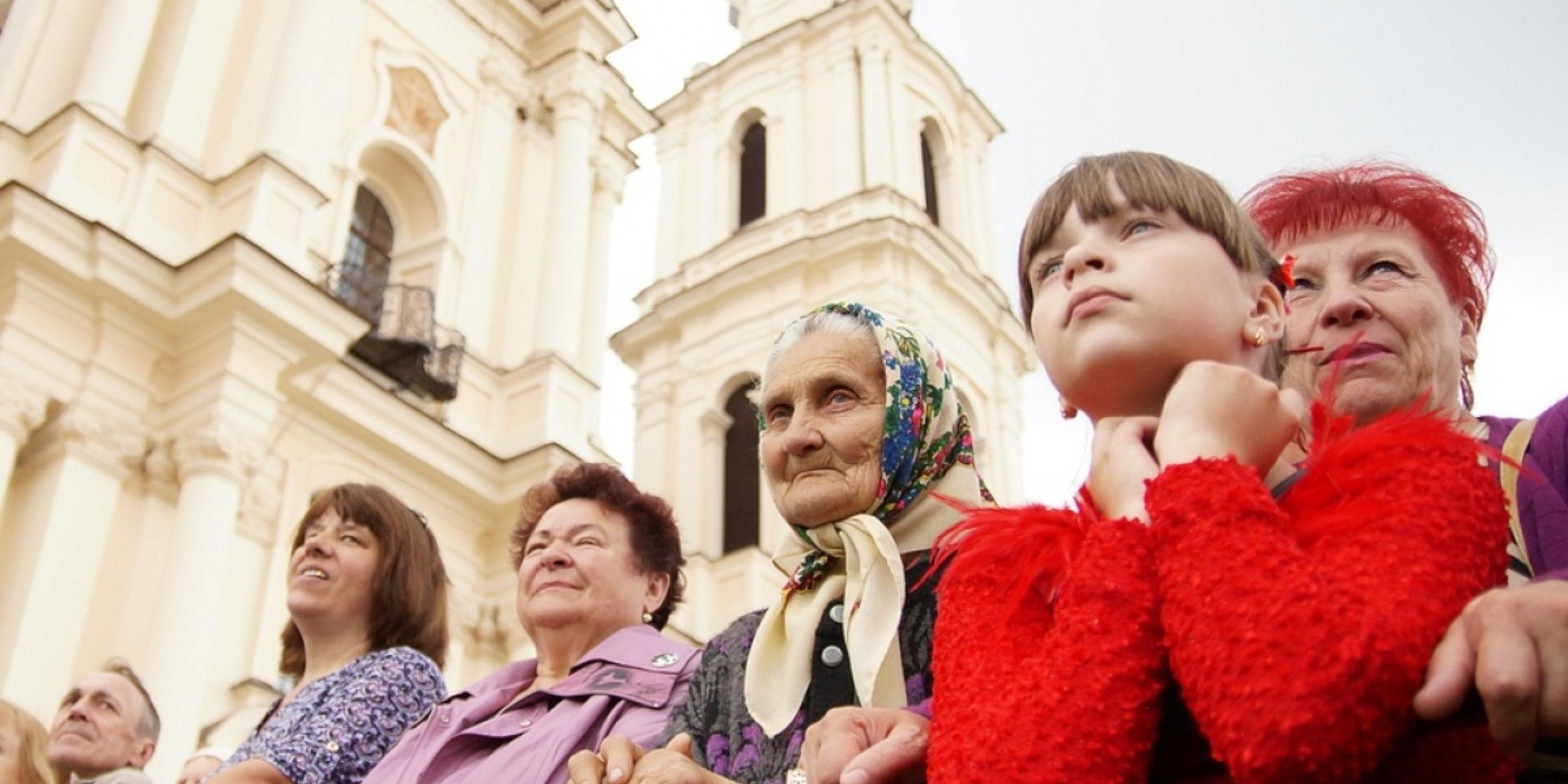
How religious are modern Europeans?

Насколько религиозны современные европейцы?

The coronavirus pandemic, which has gripped many countries of the world, has forced people to take a closer look at many things that many of them rarely thought about. One of these things is religiosity. The Pew Research Center conducted a study that covered 34 countries, the results of which are very interesting, and sometimes paradoxical. How, for example, can one explain that in a number of European countries there are fewer people who believe in the Lord God than those who attend church?
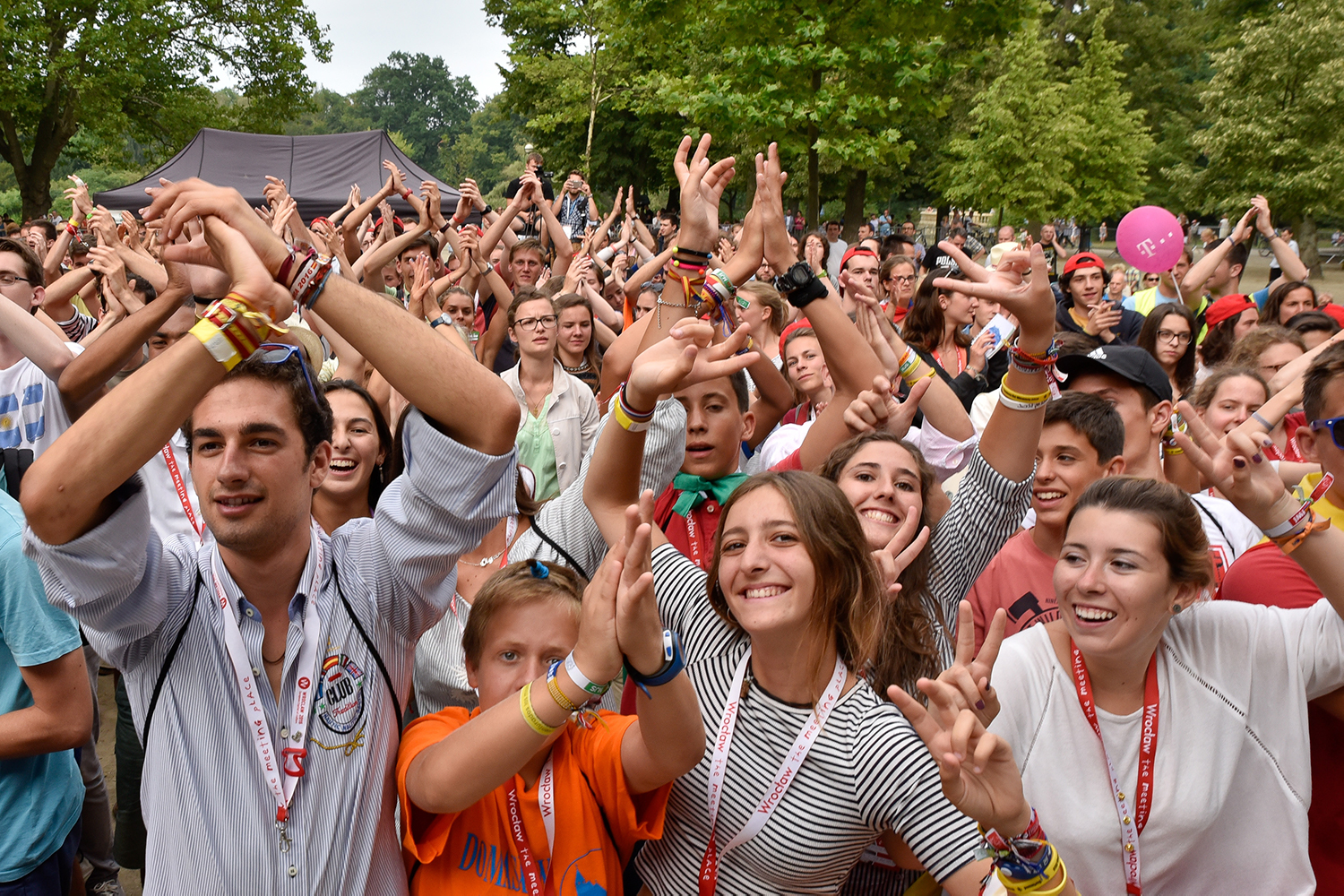
Bishop Carlos Mendoza of Venezuela visited the Diocese of Plock and met with seminarians at the seminary and pupils from schools in Skrvilno.
Research by the Pew Research Center has shown that, in general, Europeans are less religious than people living in other parts of the world. However, within Europe itself, from Armenia to Portugal, there is a wide range of statistical data regarding religiosity and its characteristics.

Investigating the religiosity of Europeans, researchers at the Pew Research Center conducted a large-scale survey in which adults across Europe were asked four questions.

1. How important is religion in your life?
2. Do you often attend church services (at least once a month)?
3. Do you read prayers every day?
4. Do you believe in God without a doubt?

Based on the answers to these questions, those respondents who answered affirmatively to three of the four proposed questions were classified as 'very religious' people. Even if a person answered negatively to one of the questions (for example, he does not attend services at all), but gave a positive answer to the other three, this allowed the authors of the study to recognize him as “very religious”.
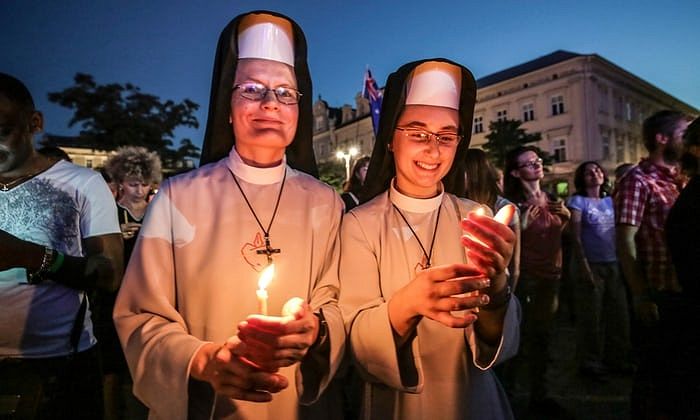
World Youth Day in Krakow, Poland. Photo: Beata Zawrzelm
The results of the study showed that residents of central and eastern Europe are more religious than Western Europeans. If in Armenia or Greece half of the adult population can be classified as “very religious”, then in Denmark, Sweden or Great Britain only one person in ten is such.

A similar situation arises if we take into account the answers for each of the four criteria separately. Romania, Armenia, Bosnia and Greece gave more positive answers to any of the four questions asked than France, Germany, Great Britain and a number of other Western European countries.

But these are just general points, and particulars may vary. For example, located in the very west of Europe, Portugal showed a higher level of religiosity (37%) than eastern European Estonia and the Czech Republic, located in the center of Europe.

Greece. Santorini.
Greece. Santorini.
Below we give a rating of religiosity of residents of different European countries in descending order, compiled by the specialists of the Pew Research Center. And we will leave it to our readers to judge how much more people think about salvation in different countries.

For the sake of fairness, let us mention that the following decoding of the data of the Pew Research Center and their translation into Russian were carried out by the religious scholar Alexander, who maintains a blog about religion and philosophy 'TRIXTER' on Yandex. Zen.

The original summary of the research results can be found on the official website of the research center.

So.

1. Romania - 55% of the adult population are very religious people. 64% believe in God, 44% pray every day, 50% go to services, 50% - religion is important.

2. Armenia. 51% are very religious people. 79% believe in God. 45% pray, 34% go to services, 53% - religion is important.

3. Georgia. 50% very religious people. 73% believe in God. 38% pray, 39% go to services, 50% - religion is important.

4. Greece. 49% are very religious people. 58% believe in God. 29% pray, 38% go to services, 55% - religion is important.

5. Moldova. 47% are very religious people. 55% believe in God. 48% pray, 35% go to services, 42% - religion is important.

6. Bosnia and Herzegovina. 46% are very religious people. 66% believe in God. 32% pray, 35% go to services, 54% - religion is important.

7. Croatia. 44% are very religious people. 57% believe in God. 40% pray, 40% go to services, 42% - religion is important.

8. Poland. 40% are very religious people. 45% believe in God. 27% pray, 61% go to services, 29% - religion is important.

9. Portugal. 37% are very religious people. 44% believe in God. 37% pray, 36% go to services, 36% - religion is important.

10. Serbia. 32% are very religious people. 58% believe in God. 27% pray, 19% go to services, 34% - religion is important.

11. Ukraine. 31% are very religious people. 32% believe in God. 29% pray, 35% go to services, 22% - religion is important.

12. Slovakia. 29% are very religious people. 37% believe in God. 31% pray, 31% go to services, 23% - religion is important.

13. Belarus. 27% are very religious people. 26% believe in God. 25% pray, 30% go to services, 20% - religion is important.

13. Italy. 27% are very religious people. 26% believe in God. 21% pray, 43% go to services, 21% - religion is important.

14. Ireland. 24% are very religious people. 24% believe in God. 19% pray, 37% go to services, 23% - religion is important.

15. Lithuania. 21% are very religious people. 34% believe in God. 15% pray, 27% go to services, 16% - religion is important.

15. Spain. 21% are very religious people. 25% believe in God. 23% pray, 23% go to services, 22% - religion is important.

16. Bulgaria. 18% are very religious people. 30% believe in God. 15% pray, 19% go to services, 19% - religion is important.

16. Netherlands. 18% are very religious people. 15% believe in God. 20% pray, 18% go to services, 20% - religion is important.

17. Hungary. 17% are very religious people. 26% believe in God. 16% pray, 17% go to services, 15% - religion is important.

17. Norway. 17% are very religious people. 19% believe in God. 18% pray, 16% go to services, 19% - religion is important.

17. Russia. 17% are very religious people. 25% believe in God. 17% pray, 17% go to services, 15% - religion is important.

18. Latvia. 15% are very religious people. 28% believe in God. 17% pray, 16% go to services, 10% - religion is important.

19. Austria. 14% are very religious people. 13% believe in God. 8% pray, 30% go to services, 12% - religion is important.

20. Finland. 13% are very religious people. 23% believe in God. 18% pray, 10% go to services, 10% - religion is important.

21. France. 12% are very religious people. 11% believe in God. eleven% pray, 22% go to services, 11% - religion is important.

21. Germany. 12% are very religious people. 10% believe in God. 9% pray, 24% go to services, 11% - religion is important.

21. Switzerland. 12% are very religious people. 11% believe in God. 8% pray, 29% go to services, 9% - religion is important.

22. Great Britain. 11% are very religious people. 12% believe in God. 6% pray, 20% go to services, 10% - religion is important.

23. Belgium. 10% are very religious people. 13% believe in God. 11% pray, 11% go to services, 11% - religion is important.

23. Sweden. 10% are very religious people. 14% believe in God. 11% pray, 11% go to services, 10% - religion is important.

24. Czech Republic. 8% are very religious people. 13% believe in God. 9% pray, 11% go to services, 7% - religion is important.

24. Denmark. 8% are very religious people. 15% believe in God. 11% pray, 12% go to services, 8% - religion is important.

25. Estonia. 7% are very religious people. 13% believe in God. 9% pray, 10% go to services, 6% - religion is important.


Delite:
How religious are modern Europeans? How religious are modern Europeans? The coronavirus pandemic, which has gripped many countries of the world, has forced people to take a closer look at many things that many of them rarely thought about. One of these things is religiosity. The Pew Research Center conducted a study that covered 34 countries, the results of which are very interesting, and sometimes paradoxical. How, for example, can one explain that in a number of European countries there are fewer people who believe in the Lord God than those who attend church? Bishop Carlos Mendoza of Venezuela visited the Diocese of Plock and met with seminarians at the seminary and pupils from schools in Skrvilno. Research by the Pew Research Center has shown that, in general, Europeans are less religious than people living in other parts of the world. However, within Europe itself, from Armenia to Portugal, there is a wide range of statistical data regarding religiosity and its characteristics. Investigating the religiosity of Europeans, researchers at the Pew Research Center conducted a large-scale survey in which adults across Europe were asked four questions. 1. How important is religion in your life? 2. Do you often attend church services (at least once a month)? 3. Do you read prayers every day? 4. Do you believe in God without a doubt? Based on the answers to these questions, those respondents who answered affirmatively to three of the four proposed questions were classified as 'very religious' people. Even if a person answered negatively to one of the questions (for example, he does not attend services at all), but gave a positive answer to the other three, this allowed the authors of the study to recognize him as “very religious”. World Youth Day in Krakow, Poland. Photo: Beata Zawrzelm The results of the study showed that residents of central and eastern Europe are more religious than Western Europeans. If in Armenia or Greece half of the adult population can be classified as “very religious”, then in Denmark, Sweden or Great Britain only one person in ten is such. A similar situation arises if we take into account the answers for each of the four criteria separately. Romania, Armenia, Bosnia and Greece gave more positive answers to any of the four questions asked than France, Germany, Great Britain and a number of other Western European countries. But these are just general points, and particulars may vary. For example, located in the very west of Europe, Portugal showed a higher level of religiosity (37%) than eastern European Estonia and the Czech Republic, located in the center of Europe. Greece. Santorini. Below we give a rating of religiosity of residents of different European countries in descending order, compiled by the specialists of the Pew Research Center. And we will leave it to our readers to judge how much more people think about salvation in different countries. For the sake of fairness, let us mention that the following decoding of the data of the Pew Research Center and their translation into Russian were carried out by the religious scholar Alexander, who maintains a blog about religion and philosophy 'TRIXTER' on Yandex. Zen. The original summary of the research results can be found on the official website of the research center. So. 1. Romania - 55% of the adult population are very religious people. 64% believe in God, 44% pray every day, 50% go to services, 50% - religion is important. 2. Armenia. 51% are very religious people. 79% believe in God. 45% pray, 34% go to services, 53% - religion is important. 3. Georgia. 50% very religious people. 73% believe in God. 38% pray, 39% go to services, 50% - religion is important. 4. Greece. 49% are very religious people. 58% believe in God. 29% pray, 38% go to services, 55% - religion is important. 5. Moldova. 47% are very religious people. 55% believe in God. 48% pray, 35% go to services, 42% - religion is important. 6. Bosnia and Herzegovina. 46% are very religious people. 66% believe in God. 32% pray, 35% go to services, 54% - religion is important. 7. Croatia. 44% are very religious people. 57% believe in God. 40% pray, 40% go to services, 42% - religion is important. 8. Poland. 40% are very religious people. 45% believe in God. 27% pray, 61% go to services, 29% - religion is important. 9. Portugal. 37% are very religious people. 44% believe in God. 37% pray, 36% go to services, 36% - religion is important. 10. Serbia. 32% are very religious people. 58% believe in God. 27% pray, 19% go to services, 34% - religion is important. 11. Ukraine. 31% are very religious people. 32% believe in God. 29% pray, 35% go to services, 22% - religion is important. 12. Slovakia. 29% are very religious people. 37% believe in God. 31% pray, 31% go to services, 23% - religion is important. 13. Belarus. 27% are very religious people. 26% believe in God. 25% pray, 30% go to services, 20% - religion is important. 13. Italy. 27% are very religious people. 26% believe in God. 21% pray, 43% go to services, 21% - religion is important. 14. Ireland. 24% are very religious people. 24% believe in God. 19% pray, 37% go to services, 23% - religion is important. 15. Lithuania. 21% are very religious people. 34% believe in God. 15% pray, 27% go to services, 16% - religion is important. 15. Spain. 21% are very religious people. 25% believe in God. 23% pray, 23% go to services, 22% - religion is important. 16. Bulgaria. 18% are very religious people. 30% believe in God. 15% pray, 19% go to services, 19% - religion is important. 16. Netherlands. 18% are very religious people. 15% believe in God. 20% pray, 18% go to services, 20% - religion is important. 17. Hungary. 17% are very religious people. 26% believe in God. 16% pray, 17% go to services, 15% - religion is important. 17. Norway. 17% are very religious people. 19% believe in God. 18% pray, 16% go to services, 19% - religion is important. 17. Russia. 17% are very religious people. 25% believe in God. 17% pray, 17% go to services, 15% - religion is important. 18. Latvia. 15% are very religious people. 28% believe in God. 17% pray, 16% go to services, 10% - religion is important. 19. Austria. 14% are very religious people. 13% believe in God. 8% pray, 30% go to services, 12% - religion is important. 20. Finland. 13% are very religious people. 23% believe in God. 18% pray, 10% go to services, 10% - religion is important. 21. France. 12% are very religious people. 11% believe in God. eleven% pray, 22% go to services, 11% - religion is important. 21. Germany. 12% are very religious people. 10% believe in God. 9% pray, 24% go to services, 11% - religion is important. 21. Switzerland. 12% are very religious people. 11% believe in God. 8% pray, 29% go to services, 9% - religion is important. 22. Great Britain. 11% are very religious people. 12% believe in God. 6% pray, 20% go to services, 10% - religion is important. 23. Belgium. 10% are very religious people. 13% believe in God. 11% pray, 11% go to services, 11% - religion is important. 23. Sweden. 10% are very religious people. 14% believe in God. 11% pray, 11% go to services, 10% - religion is important. 24. Czech Republic. 8% are very religious people. 13% believe in God. 9% pray, 11% go to services, 7% - religion is important. 24. Denmark. 8% are very religious people. 15% believe in God. 11% pray, 12% go to services, 8% - religion is important. 25. Estonia. 7% are very religious people. 13% believe in God. 9% pray, 10% go to services, 6% - religion is important.
The coronavirus pandemic, which has gripped many countries of the world, has forced people to take a closer look at many things that many of them rarely thought about. One of these things is religiosity. The Pew Research Center conducted a study that covered 34 countries, the results of which are very interesting, and sometimes paradoxical. How, for example, can one explain that in a number of European countries there are fewer people who believe in the Lord God than those who attend church? Bishop Carlos Mendoza of Venezuela visited the Diocese of Plock and met with seminarians at the seminary and pupils from schools in Skrvilno. Research by the Pew Research Center has shown that, in general, Europeans are less religious than people living in other parts of the world. However, within Europe itself, from Armenia to Portugal, there is a wide range of statistical data regarding religiosity and its characteristics. Investigating the religiosity of Europeans, researchers at the Pew Research Center conducted a large-scale survey in which adults across Europe were asked four questions. 1. How important is religion in your life? 2. Do you often attend church services (at least once a month)? 3. Do you read prayers every day? 4. Do you believe in God without a doubt? Based on the answers to these questions, those respondents who answered affirmatively to three of the four proposed questions were classified as 'very religious' people. Even if a person answered negatively to one of the questions (for example, he does not attend services at all), but gave a positive answer to the other three, this allowed the authors of the study to recognize him as “very religious”. World Youth Day in Krakow, Poland. Photo: Beata Zawrzelm The results of the study showed that residents of central and eastern Europe are more religious than Western Europeans. If in Armenia or Greece half of the adult population can be classified as “very religious”, then in Denmark, Sweden or Great Britain only one person in ten is such. A similar situation arises if we take into account the answers for each of the four criteria separately. Romania, Armenia, Bosnia and Greece gave more positive answers to any of the four questions asked than France, Germany, Great Britain and a number of other Western European countries. But these are just general points, and particulars may vary. For example, located in the very west of Europe, Portugal showed a higher level of religiosity (37%) than eastern European Estonia and the Czech Republic, located in the center of Europe. Greece. Santorini. Below we give a rating of religiosity of residents of different European countries in descending order, compiled by the specialists of the Pew Research Center. And we will leave it to our readers to judge how much more people think about salvation in different countries. For the sake of fairness, let us mention that the following decoding of the data of the Pew Research Center and their translation into Russian were carried out by the religious scholar Alexander, who maintains a blog about religion and philosophy 'TRIXTER' on Yandex. Zen. The original summary of the research results can be found on the official website of the research center. So. 1. Romania - 55% of the adult population are very religious people. 64% believe in God, 44% pray every day, 50% go to services, 50% - religion is important. 2. Armenia. 51% are very religious people. 79% believe in God. 45% pray, 34% go to services, 53% - religion is important. 3. Georgia. 50% very religious people. 73% believe in God. 38% pray, 39% go to services, 50% - religion is important. 4. Greece. 49% are very religious people. 58% believe in God. 29% pray, 38% go to services, 55% - religion is important. 5. Moldova. 47% are very religious people. 55% believe in God. 48% pray, 35% go to services, 42% - religion is important. 6. Bosnia and Herzegovina. 46% are very religious people. 66% believe in God. 32% pray, 35% go to services, 54% - religion is important. 7. Croatia. 44% are very religious people. 57% believe in God. 40% pray, 40% go to services, 42% - religion is important. 8. Poland. 40% are very religious people. 45% believe in God. 27% pray, 61% go to services, 29% - religion is important. 9. Portugal. 37% are very religious people. 44% believe in God. 37% pray, 36% go to services, 36% - religion is important. 10. Serbia. 32% are very religious people. 58% believe in God. 27% pray, 19% go to services, 34% - religion is important. 11. Ukraine. 31% are very religious people. 32% believe in God. 29% pray, 35% go to services, 22% - religion is important. 12. Slovakia. 29% are very religious people. 37% believe in God. 31% pray, 31% go to services, 23% - religion is important. 13. Belarus. 27% are very religious people. 26% believe in God. 25% pray, 30% go to services, 20% - religion is important. 13. Italy. 27% are very religious people. 26% believe in God. 21% pray, 43% go to services, 21% - religion is important. 14. Ireland. 24% are very religious people. 24% believe in God. 19% pray, 37% go to services, 23% - religion is important. 15. Lithuania. 21% are very religious people. 34% believe in God. 15% pray, 27% go to services, 16% - religion is important. 15. Spain. 21% are very religious people. 25% believe in God. 23% pray, 23% go to services, 22% - religion is important. 16. Bulgaria. 18% are very religious people. 30% believe in God. 15% pray, 19% go to services, 19% - religion is important. 16. Netherlands. 18% are very religious people. 15% believe in God. 20% pray, 18% go to services, 20% - religion is important. 17. Hungary. 17% are very religious people. 26% believe in God. 16% pray, 17% go to services, 15% - religion is important. 17. Norway. 17% are very religious people. 19% believe in God. 18% pray, 16% go to services, 19% - religion is important. 17. Russia. 17% are very religious people. 25% believe in God. 17% pray, 17% go to services, 15% - religion is important. 18. Latvia. 15% are very religious people. 28% believe in God. 17% pray, 16% go to services, 10% - religion is important. 19. Austria. 14% are very religious people. 13% believe in God. 8% pray, 30% go to services, 12% - religion is important. 20. Finland. 13% are very religious people. 23% believe in God. 18% pray, 10% go to services, 10% - religion is important. 21. France. 12% are very religious people. 11% believe in God. eleven% pray, 22% go to services, 11% - religion is important. 21. Germany. 12% are very religious people. 10% believe in God. 9% pray, 24% go to services, 11% - religion is important. 21. Switzerland. 12% are very religious people. 11% believe in God. 8% pray, 29% go to services, 9% - religion is important. 22. Great Britain. 11% are very religious people. 12% believe in God. 6% pray, 20% go to services, 10% - religion is important. 23. Belgium. 10% are very religious people. 13% believe in God. 11% pray, 11% go to services, 11% - religion is important. 23. Sweden. 10% are very religious people. 14% believe in God. 11% pray, 11% go to services, 10% - religion is important. 24. Czech Republic. 8% are very religious people. 13% believe in God. 9% pray, 11% go to services, 7% - religion is important. 24. Denmark. 8% are very religious people. 15% believe in God. 11% pray, 12% go to services, 8% - religion is important. 25. Estonia. 7% are very religious people. 13% believe in God. 9% pray, 10% go to services, 6% - religion is important.