Ancient Salt Blend Provides Stunning Preservation to the 2,000 Year Old Temple Scroll

Древняя смесь солей обеспечила потрясающую сохранность 2000-летнему Храмовому свитку

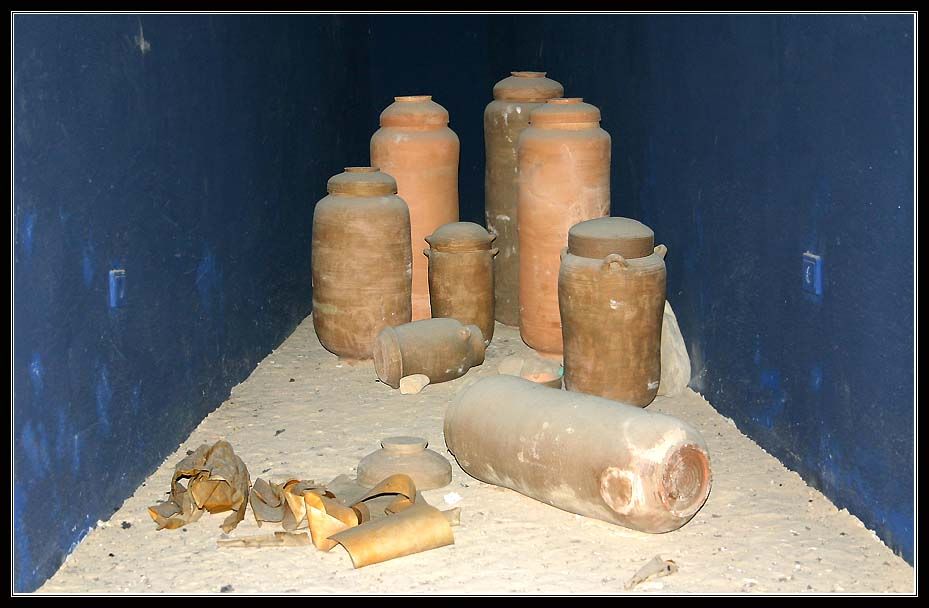
One of the Qumran manuscripts, created at the turn of the old and new era by the religious community of the Jesse, known as the Temple Scroll, has survived to this day in excellent condition, strikingly different in the degree of its preservation from others.
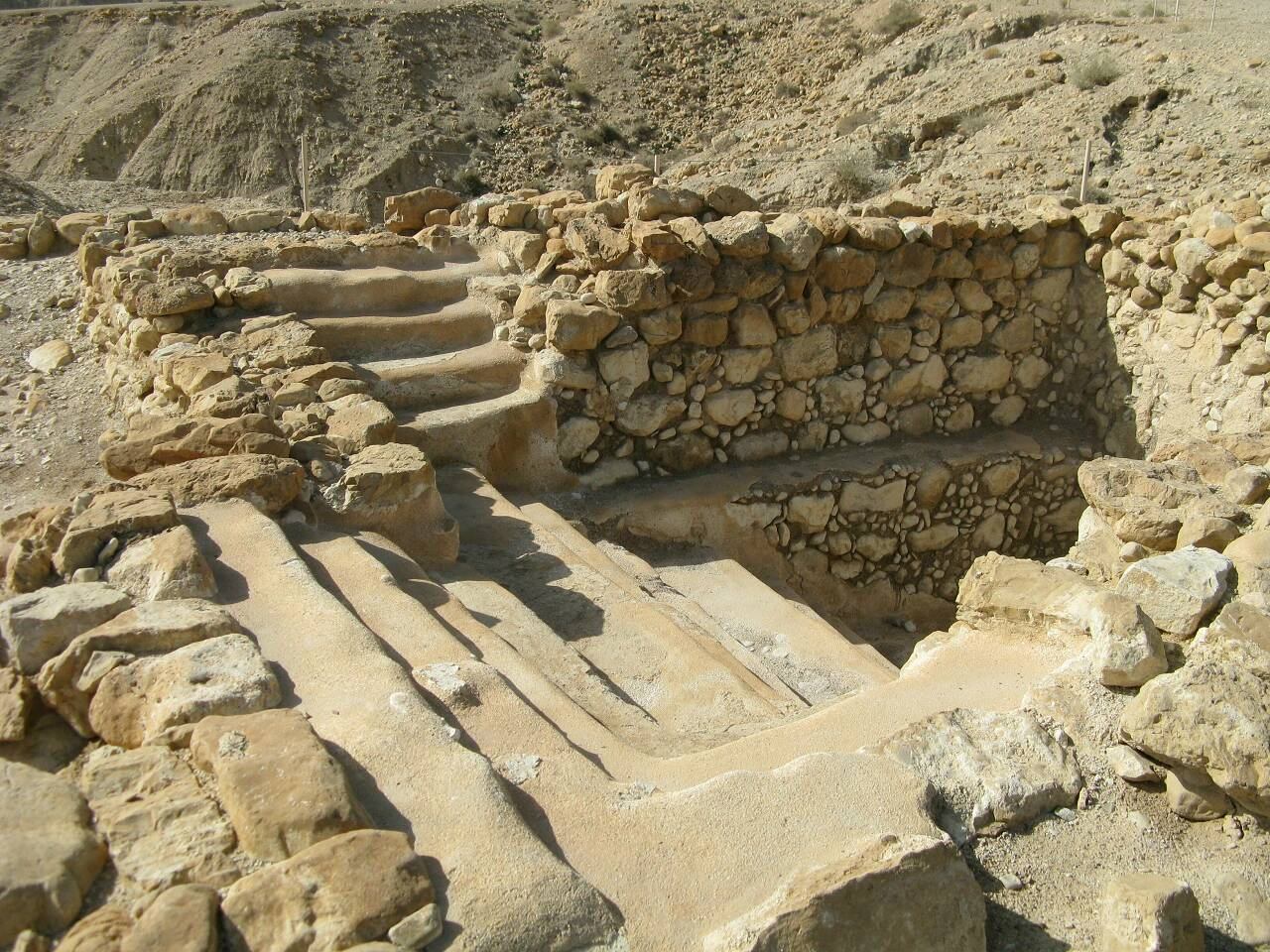
The Temple Scroll is so named because it lays out plans to build a new Temple in Jerusalem for the followers of Judaism. The scroll, eight meters long, includes nineteen leather fragments, the thickness of any of which is no more than a tenth of a millimeter.

Struck by the highest degree of preservation of the 2000-year-old scroll, scientists carefully examined the ancient artifact in order to figure out what kind of conservation method was used for it. Using X-ray and spectroscopic instruments, the researchers discovered an inorganic layer applied to the skin, on top of which the text was inscribed by an ancient scribe.

Scientists suggest that a unique mix was applied during the manufacture of leather specifically for the longest possible preservation of the scroll, which, apparently, was given much more importance than other manuscripts from Qumran. Life-prolonging composition The manuscript includes glauberite (sodium and calcium sulfate), thenardite (sodium sulfate), and gypsum (calcium sulfate). It is interesting that the first two components are not found in the Dead Sea region - therefore, they were specially purchased for a lot of money as an imported product.

“Understanding the properties of these minerals is especially important for the development of promising conservation methods to preserve these priceless historical documents,” National Geographic Russia cites the conclusion of scientists.

Delite:
Ancient Salt Blend Provides Stunning Preservation to the 2,000 Year Old Temple Scroll Ancient Salt Blend Provides Stunning Preservation to the 2,000 Year Old Temple Scroll One of the Qumran manuscripts, created at the turn of the old and new era by the religious community of the Jesse, known as the Temple Scroll, has survived to this day in excellent condition, strikingly different in the degree of its preservation from others. The Temple Scroll is so named because it lays out plans to build a new Temple in Jerusalem for the followers of Judaism. The scroll, eight meters long, includes nineteen leather fragments, the thickness of any of which is no more than a tenth of a millimeter. Struck by the highest degree of preservation of the 2000-year-old scroll, scientists carefully examined the ancient artifact in order to figure out what kind of conservation method was used for it. Using X-ray and spectroscopic instruments, the researchers discovered an inorganic layer applied to the skin, on top of which the text was inscribed by an ancient scribe. Scientists suggest that a unique mix was applied during the manufacture of leather specifically for the longest possible preservation of the scroll, which, apparently, was given much more importance than other manuscripts from Qumran. Life-prolonging composition The manuscript includes glauberite (sodium and calcium sulfate), thenardite (sodium sulfate), and gypsum (calcium sulfate). It is interesting that the first two components are not found in the Dead Sea region - therefore, they were specially purchased for a lot of money as an imported product. “Understanding the properties of these minerals is especially important for the development of promising conservation methods to preserve these priceless historical documents,” National Geographic Russia cites the conclusion of scientists.
One of the Qumran manuscripts, created at the turn of the old and new era by the religious community of the Jesse, known as the Temple Scroll, has survived to this day in excellent condition, strikingly different in the degree of its preservation from others. The Temple Scroll is so named because it lays out plans to build a new Temple in Jerusalem for the followers of Judaism. The scroll, eight meters long, includes nineteen leather fragments, the thickness of any of which is no more than a tenth of a millimeter. Struck by the highest degree of preservation of the 2000-year-old scroll, scientists carefully examined the ancient artifact in order to figure out what kind of conservation method was used for it. Using X-ray and spectroscopic instruments, the researchers discovered an inorganic layer applied to the skin, on top of which the text was inscribed by an ancient scribe. Scientists suggest that a unique mix was applied during the manufacture of leather specifically for the longest possible preservation of the scroll, which, apparently, was given much more importance than other manuscripts from Qumran. Life-prolonging composition The manuscript includes glauberite (sodium and calcium sulfate), thenardite (sodium sulfate), and gypsum (calcium sulfate). It is interesting that the first two components are not found in the Dead Sea region - therefore, they were specially purchased for a lot of money as an imported product. “Understanding the properties of these minerals is especially important for the development of promising conservation methods to preserve these priceless historical documents,” National Geographic Russia cites the conclusion of scientists.