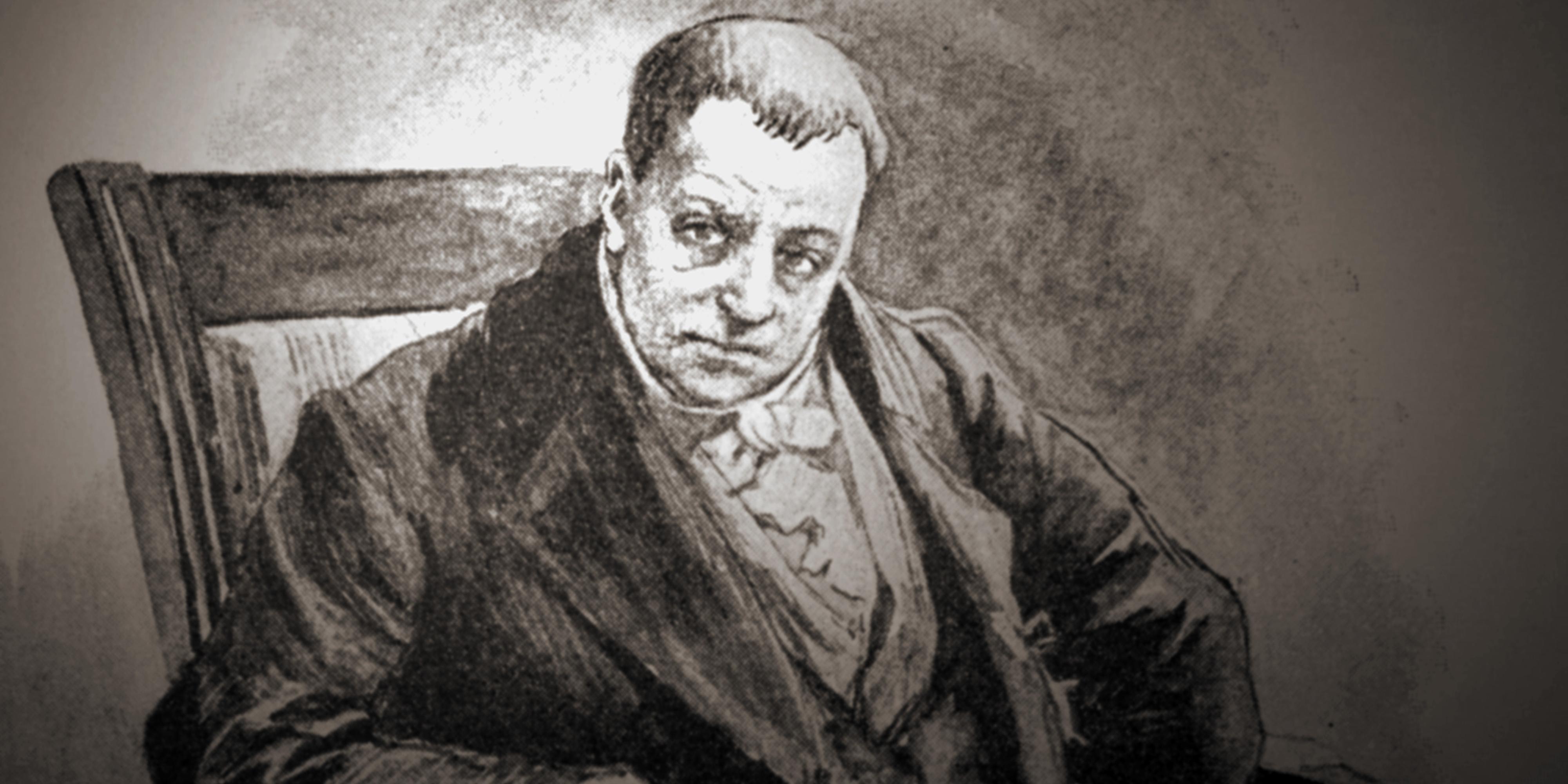
This year marks the 240th anniversary of the birth of an amazing person - Fyodor Petrovich (Friedrich Josef) Haas, a Russian doctor of German origin, who did a lot to alleviate the plight of Russian prisoners and exiles. The Roman Catholic Church is preparing to glorify the outstanding ascetic of mercy. The Russian Orthodox Church is unlikely to do the same: after all, Fyodor Petrovich was a Catholic. Nevertheless, today is the time to once again recall the life and deeds of the “holy doctor,” as his patients called him during his lifetime.

Friedrich Joseph Haas, who in the future was destined for the career of a senior doctor in Moscow prison hospitals, was born in 1789 in Bad Münstereifel, Prussia and raised in a Catholic family. His father was a pharmacist. Friedrich studied medicine at the Jena and Göttingen universities, and then practiced for a short time in Vienna. At the very beginning of the 19th century, Dr. Haas moved to Russia to forever link his fate with it. In 1806, he already worked as the chief physician of the Moscow Pavlovsk hospital. The doctor twice traveled to the Caucasus, where he studied the local mineral waters and their healing effects on the human body - he presented the results of these trips in a later work published in French. During the Patriotic War of 1812, Haas worked as a surgeon in the Russian army, with which he reached his homeland, Germany, where he stayed for some time. However, already in 1813, the doctor returned to Moscow, where he launched a wide practice, over the next fifteen years earning a reputation as an attentive and competent doctor and becoming a famous and wealthy person.
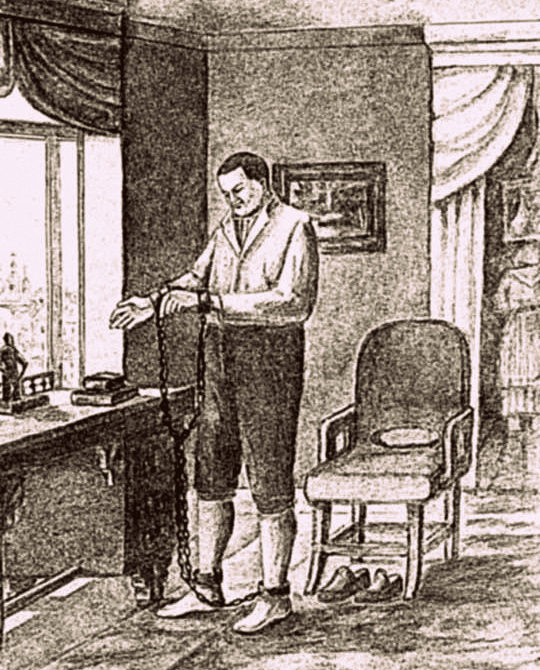
Dr. Haas energetically set about alleviating the plight of the unfortunate. He achieved the easing of the conditions of transfer, the abolition of shaving the head for female prisoners, the observance of basic hygiene conditions for those detained in prisons. The doctor, without regret, spent his own funds on the care of the prisoners, collected food for them, sent them money and books to distant prison. Fyodor Petrovich could walk several miles himself with the stage of prisoners - and by evening, exhausted, return home to Moscow.
The prisoners' shackles, at the initiative of Dr. Haas, began to be trimmed with leather, cloth or cloth. In addition, Fyodor Petrovich actively sought to abolish the right of landowners to judge peasants. For personal funds, he bought from Serf slavery 74 people, and also achieved leave for the freedom of a significant number of serf children. It is not surprising that the considerable funds earned in previous years by practice were quickly spent - and the doctor moved to a small apartment at the hospital, where he lived among books and medical instruments. During the day, he received homeless people who fell ill on the streets, visited prisoners in prisons, examining and listening to everyone, met with the authorities, seeking relief for the prisoners - and usually only returned home late at night.
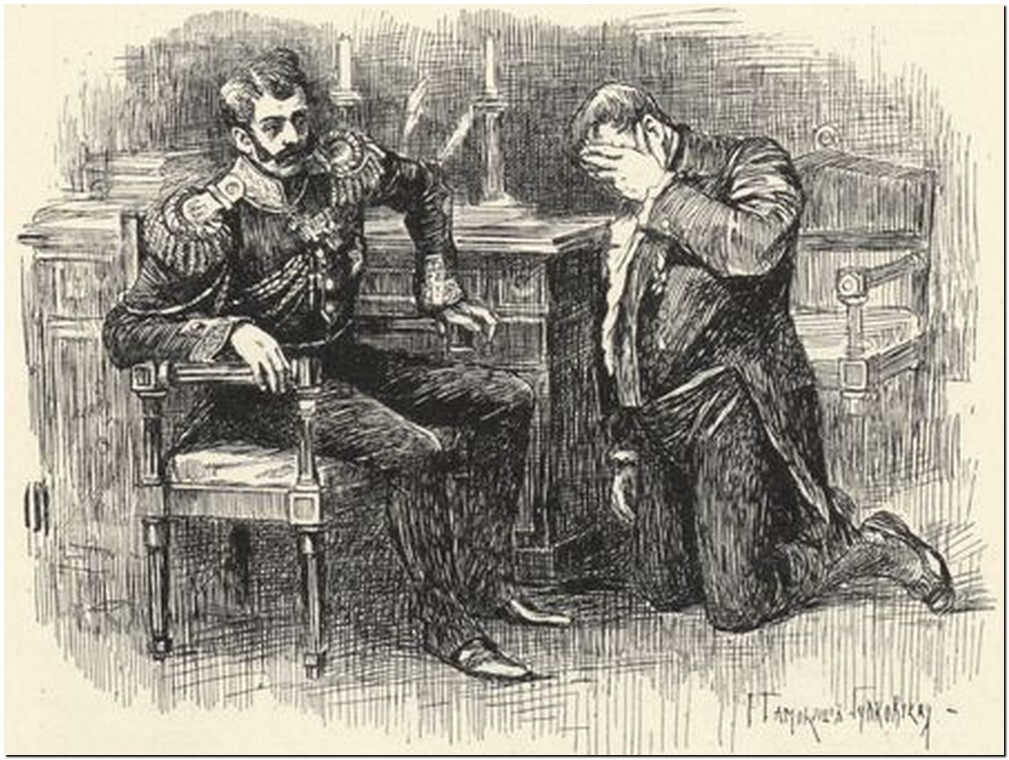
The Russian expression “burned out at work” is the best description of what happened to Dr. Haas. In 1853, for the only time in his life, he fell seriously ill. Despite the fact that the doctor was a Catholic, a parishioner of the Church of St. Louis on Malaya Lubyanka, the strict adherent of Orthodoxy, Metropolitan Filaret (Drozdov) of Moscow, blessed him to serve a prayer service for his recovery. Doctors also tried to help the patient. However, the treatment could no longer change anything. Soon Fyodor Petrovich departed to the Lord. The news of his death spread across vast Russia in a matter of days.
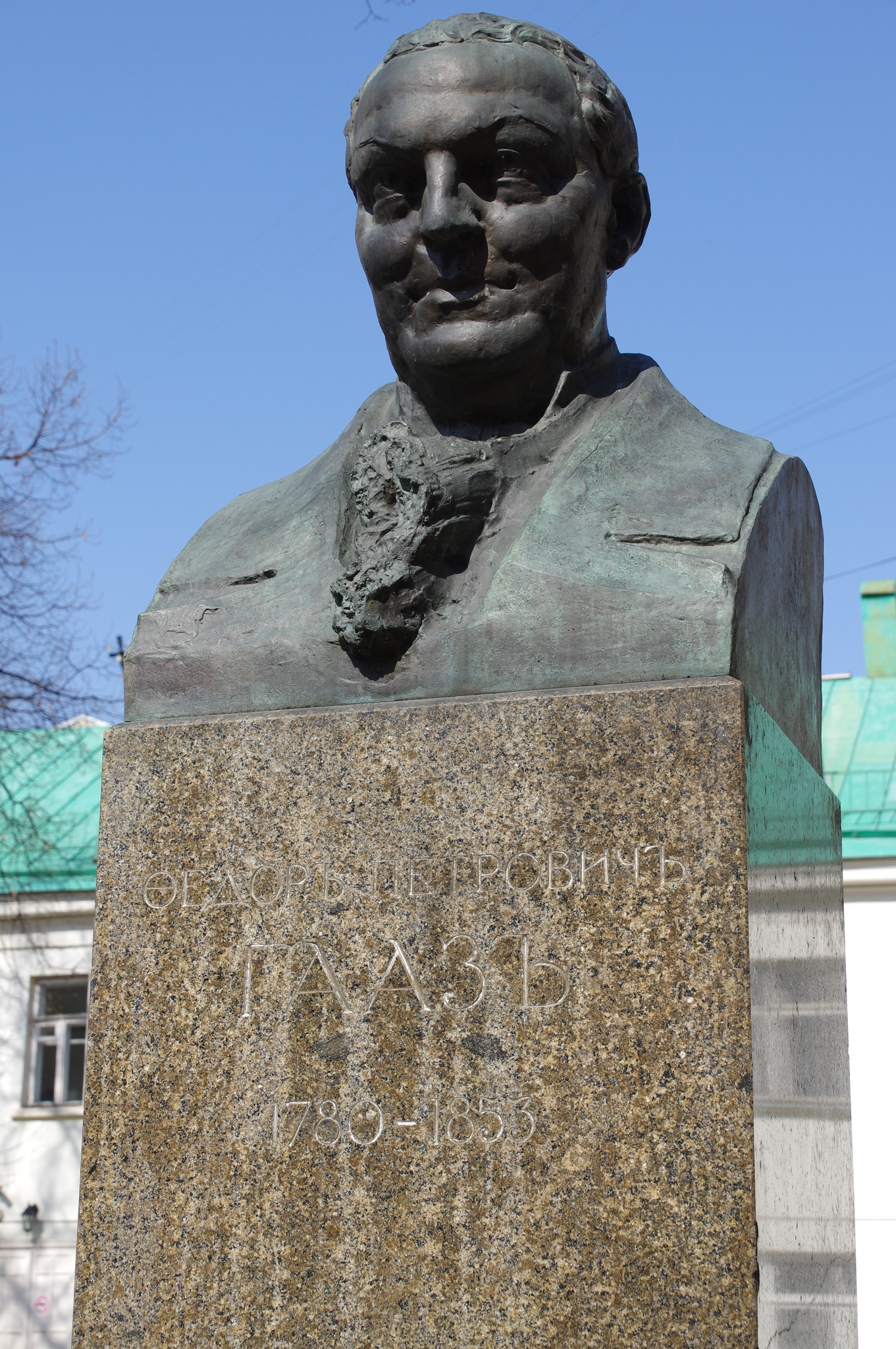
Although the process of canonization of Fyodor Petrovich by the Roman Catholic Church has not yet been completed, the head of the Catholic archdiocese in Moscow, Archbishop Paolo Pezi, commemorates the 'holy doctor' in his prayer: To you: grant healing to the sick, mercy, courage and protection from infection to those who help in suffering, the memory of Christ to the pastors, wisdom and care for people to the worldly authorities, to all of us - the zeal to do good. ' It is not known whether the name of Dr. Haas will sound under the arches of Orthodox churches - after all, all saints common to Orthodox and Catholics lived before the split of the single church that occurred in 1054. At the same time, there is no doubt that the great service to his neighbor, which Fyodor Petrovich carried, today, almost two centuries later, can contribute to the rapprochement of the positions of the Russian Orthodox and Roman Catholic Churches on many issues. First of all, when it comes to helping people who need it. The recent decision of several dozen Russian doctors to voluntarily go to Italy, where the coronavirus epidemic is raging to help the sick - perhaps the first confirmation of this.
You can write a letter to God or light a candle in the temple .