Archaeologists have found in Pskov the seal of the Bishop of Polotsk Dionysius

Археологи нашли во Пскове печать епископа Полоцкого Дионисия

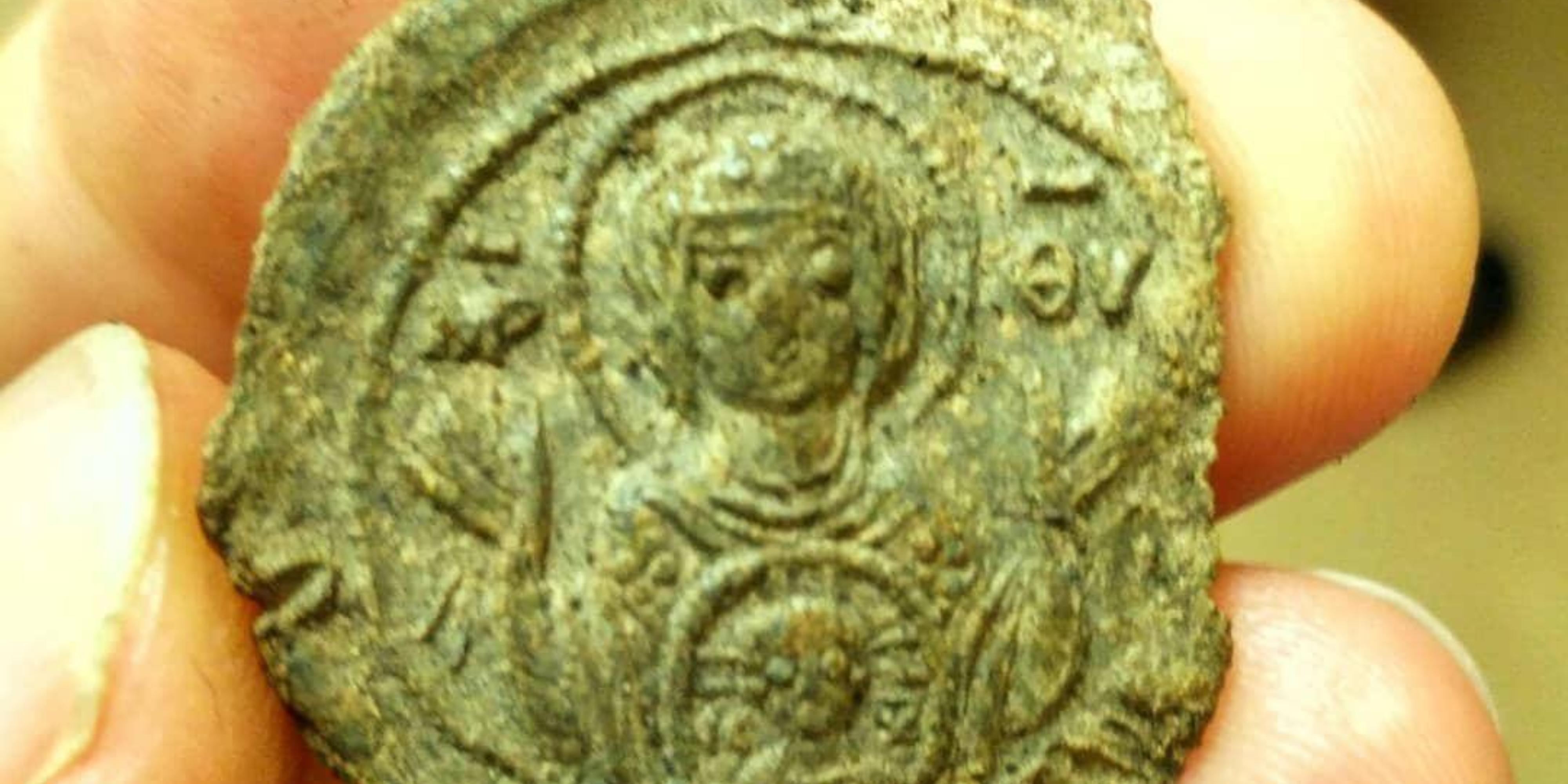
Researchers conducting archaeological research in Pskov have found in an excavation on Volkov Street a hanging seal made of lead that belonged to St. Dionysius, Bishop of Polotsk, who held a cathedra in this city twice: from 1156 to 1157 and from 1166 to 1167. The magazine 'Science and Life' reported about the find with reference to the Archaeological Center of the Pskov Region.
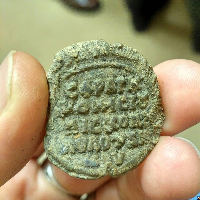
On one side of the bishop's seal of the 12th century - the image of the Queen of Heaven, on the reverse - the inscription in Greek: 'Seal of Dionysius, Bishop of Polotsk.' The seal of the Polotsk bishop differs from other similar finds of that era in a slightly larger size: its diameter is 27-28 millimeters against the usual twenty. One of the medieval seals of this type was at one time discovered at the Novgorod Rurik settlement, the other is kept in the State Historical Museum.

Saint Dionysius of Polotsk is numbered among the saints by the Church, but not much is known about his life and work. According to one version, before being ordained to the episcopate, he asceticised in the Kiev-Pechersk Lavra. Another version says that he was a Greek who came to Russia from Byzantium. The saint labored much in the church field and departed to the Lord in 1184, but where he rests is unknown.


Delite:
Archaeologists have found in Pskov the seal of the Bishop of Polotsk Dionysius Archaeologists have found in Pskov the seal of the Bishop of Polotsk Dionysius Researchers conducting archaeological research in Pskov have found in an excavation on Volkov Street a hanging seal made of lead that belonged to St. Dionysius, Bishop of Polotsk, who held a cathedra in this city twice: from 1156 to 1157 and from 1166 to 1167. The magazine 'Science and Life' reported about the find with reference to the Archaeological Center of the Pskov Region. On one side of the bishop's seal of the 12th century - the image of the Queen of Heaven, on the reverse - the inscription in Greek: 'Seal of Dionysius, Bishop of Polotsk.' The seal of the Polotsk bishop differs from other similar finds of that era in a slightly larger size: its diameter is 27-28 millimeters against the usual twenty. One of the medieval seals of this type was at one time discovered at the Novgorod Rurik settlement, the other is kept in the State Historical Museum. Saint Dionysius of Polotsk is numbered among the saints by the Church, but not much is known about his life and work. According to one version, before being ordained to the episcopate, he asceticised in the Kiev-Pechersk Lavra. Another version says that he was a Greek who came to Russia from Byzantium. The saint labored much in the church field and departed to the Lord in 1184, but where he rests is unknown.    
Researchers conducting archaeological research in Pskov have found in an excavation on Volkov Street a hanging seal made of lead that belonged to St. Dionysius, Bishop of Polotsk, who held a cathedra in this city twice: from 1156 to 1157 and from 1166 to 1167. The magazine 'Science and Life' reported about the find with reference to the Archaeological Center of the Pskov Region. On one side of the bishop's seal of the 12th century - the image of the Queen of Heaven, on the reverse - the inscription in Greek: 'Seal of Dionysius, Bishop of Polotsk.' The seal of the Polotsk bishop differs from other similar finds of that era in a slightly larger size: its diameter is 27-28 millimeters against the usual twenty. One of the medieval seals of this type was at one time discovered at the Novgorod Rurik settlement, the other is kept in the State Historical Museum. Saint Dionysius of Polotsk is numbered among the saints by the Church, but not much is known about his life and work. According to one version, before being ordained to the episcopate, he asceticised in the Kiev-Pechersk Lavra. Another version says that he was a Greek who came to Russia from Byzantium. The saint labored much in the church field and departed to the Lord in 1184, but where he rests is unknown.