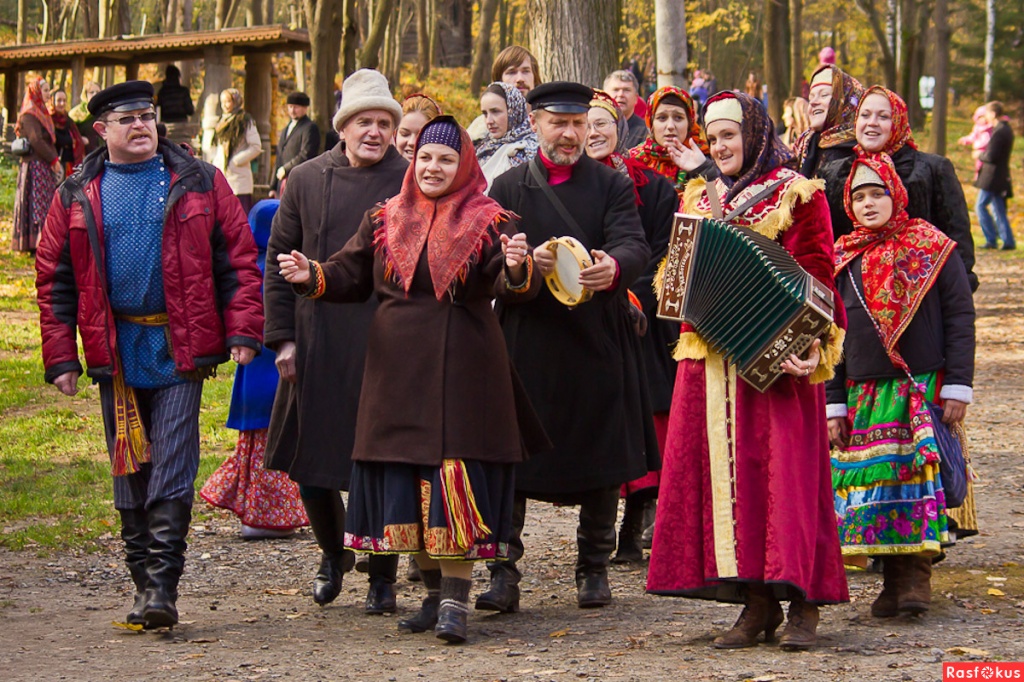
October 14 Orthodox Christians celebrate the Intercession of the Blessed Virgin
14 Oktobar 2020
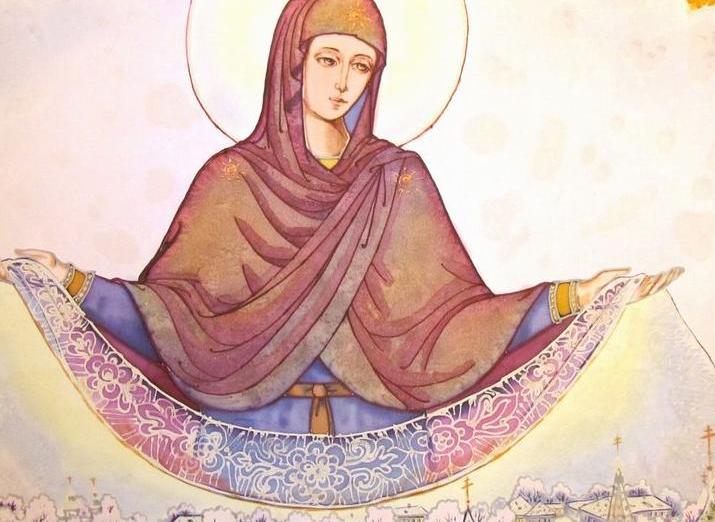
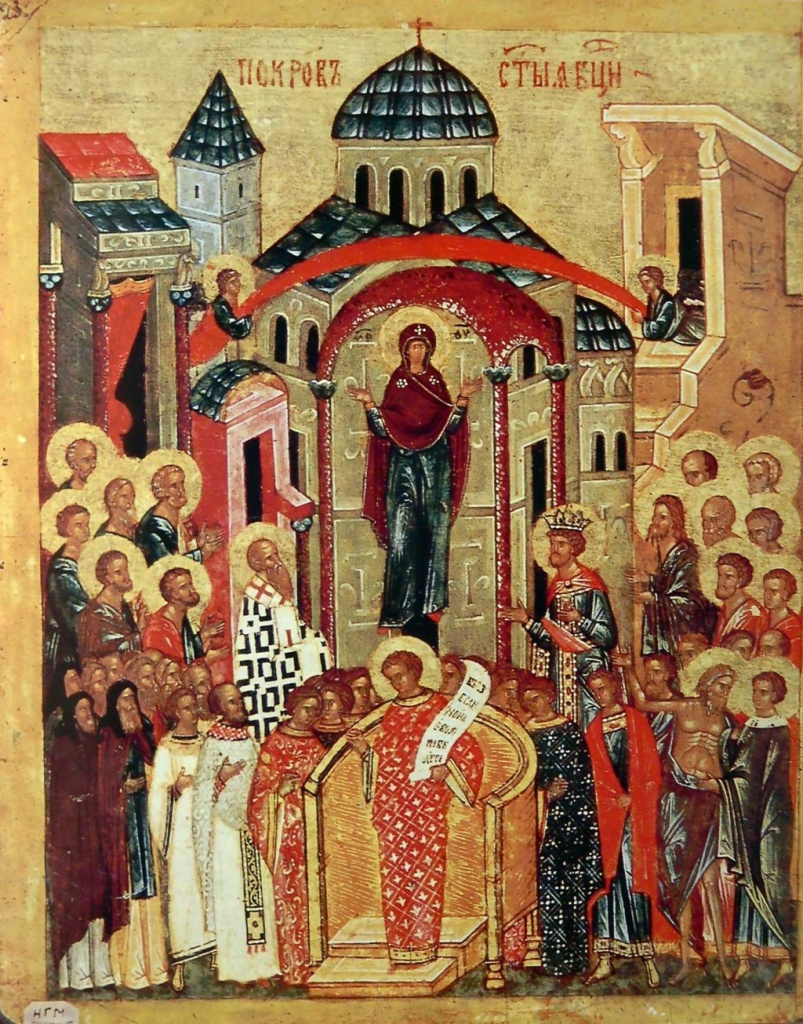
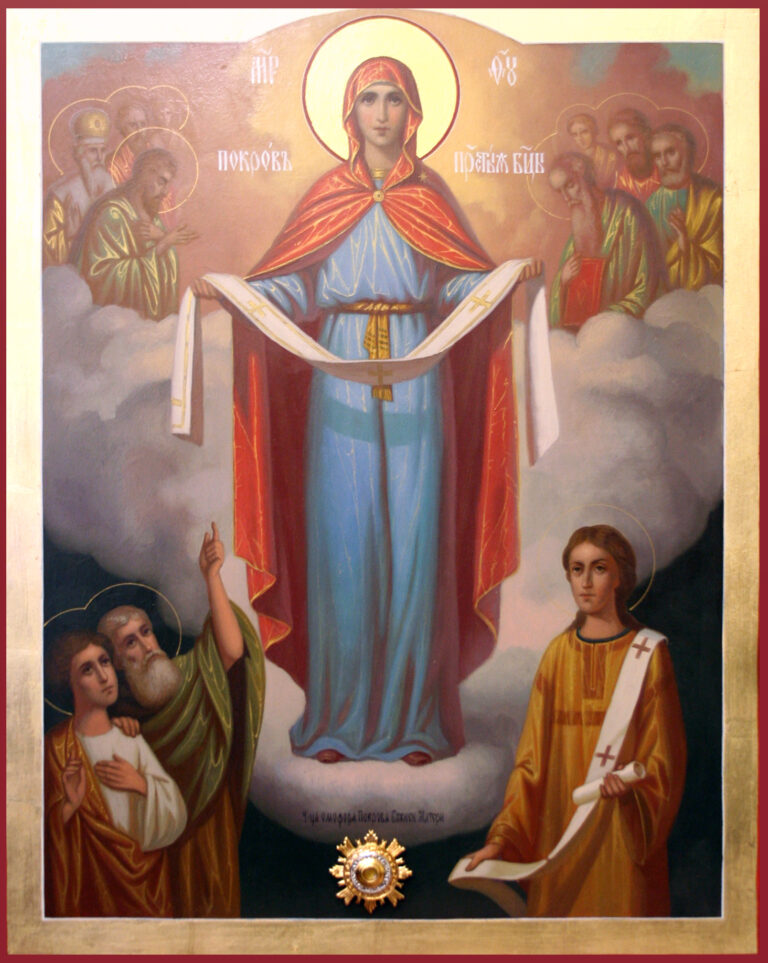
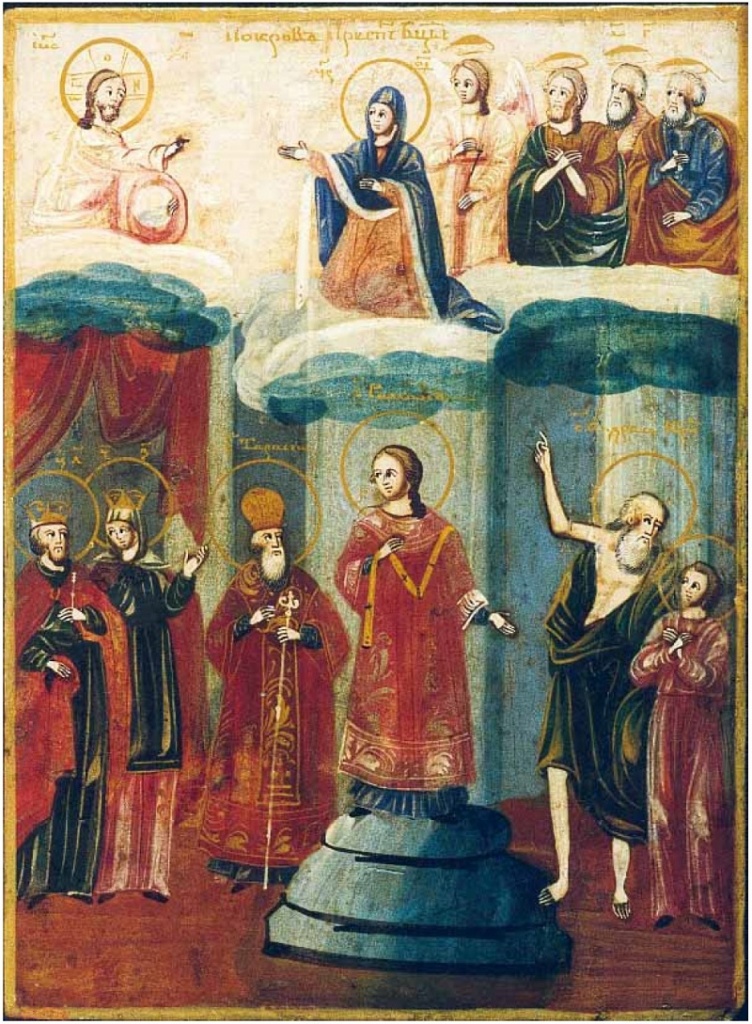
Every year on October 14, the Orthodox Church celebrates the Protection of the Most Holy Theotokos. This holiday is not one of the twelve (the twelve most significant in the calendar, except for Easter), but it is considered Great and is very popular among the people. Старинная икона, изображающая чудо 910 года во Влазернском храме Константинополя The history of the Feast of the Intercession of the Mother of God dates back to the beginning of the 10th century, when the inhabitants of Constantinople observed the miraculous appearance of the Mother of God, and is known mainly from the life of St. Andrew the Fool. In 910, the city was surrounded by enemy troops who came by sea. At that time, the inhabitants of the capital of Byzantium did not have the resources to withstand the siege or repel the enemy. A multitude of townspeople gathered in the Blachernae Church on the outskirts of Constantinople, where the great Christian shrines - Riza and the belt of the Most Holy Theotokos - stayed. During the all-night vigil, the believers together cried out to the Heavenly Queen, begging Her for salvation. Among those praying was a holy fool named Andrew, along with his disciple Epiphanius. At four o'clock in the morning, both of them witnessed a miracle: under the arches of the Blachernae church, the Blessed Virgin was walking through the air, accompanied by the prophet John the Baptist and the apostle John the Theologian. The Mother of God approached the altar of the temple, where, together with Her companions, she began to pray. And then she took off the shining veil - the Cover - and lifting it up, spread it over all the believers ... It is not known for certain whether others who were in the temple, except Andrew and his disciple, have seen the Lady. But something else is undoubtedly: soon after those who prayed in the Blachernae church at night left the house of prayer, a sudden storm swept away enemy ships in the bay and the enemy retreated from the walls of Constantinople. Икона Покрова Пресвятой Богородицы In Russia, the Protection of the Most Holy Theotokos was so revered that historians even suggested the ancient Russian origin of this holiday - and some sources call Saint Andrew the Fool a Slav by origin, who lived in Constantinople. Be that as it may, already in the XII century, Grand Duke Andrei Bogolyubsky erected one of the most beautiful Russian churches - the Church of the Intercession on the Nerl near the village of Bogolyubovo, on the territory of the modern Vladimir region. The most famous of the Russian Orthodox churches, standing on the Red Square of Moscow and famous the whole world as the Cathedral of St. Basil the Blessed, was also built and consecrated in the 16th century in honor and glory of the Protection of the Most Holy Theotokos. Юродивый Андрей с учеником Епифанием созерцают явление Царицы Небесной во Влахернском храме Константинополя в 910 году In the national calendar, Pokrov marked the end of the annual cycle of agricultural work and the imminent onset of winter. It was on this day that the first snow often fell on the territory of indigenous Russia, which was reflected in the proverb: 'The cover covers the earth, now with a leaf, now with snow.' From the day of the Intercession, residents began to prepare their homes and households for the onset of winter cold. In addition, the Pokrov in the popular mind was associated with an elegant headscarf on the bride's head - it was from this time until the beginning of the Nativity Fast in Russia that it was customary to play weddings. It was believed that couples who united their destinies by wedding during this period would certainly create strong and friendly families. Покров в старой России был временем традиционных народных гуляний The variable wind promised changeable weather during the winter months. On the Intercession of the Most Holy Theotokos, it was customary to spend time cheerfully and behave towards people especially welcoming and hospitable: it was believed that then winter would fly by quickly, without grief. Pancakes were traditionally the main festive dish on Pokrov. With a plate on which a mountain of only baked pancakes rose, they walked around the rooms in the house, reading prayers to the Lord Jesus Christ and the Most Holy Theotokos. On this day, a special Pokrovsky loaf was baked, which was treated to all households and neighbors - and what remained of it was dried and carefully preserved until the very Great Lent. Therefore, such a loaf was always baked lean, but, despite this, it was very tasty.
October 14 Orthodox Christians celebrate the Intercession of the Blessed VirginOctober 14 Orthodox Christians celebrate the Intercession of the Blessed Virgin Every year on October 14, the Orthodox Church celebrates the Protection of the Most Holy Theotokos. This holiday is not one of the twelve (the twelve most significant in the calendar, except for Easter), but it is considered Great and is very popular among the people. Старинная икона, изображающая чудо 910 года во Влазернском храме Константинополя The history of the Feast of the Intercession of the Mother of God dates back to the beginning of the 10th century, when the inhabitants of Constantinople observed the miraculous appearance of the Mother of God, and is known mainly from the life of St. Andrew the Fool. In 910, the city was surrounded by enemy troops who came by sea. At that time, the inhabitants of the capital of Byzantium did not have the resources to withstand the siege or repel the enemy. A multitude of townspeople gathered in the Blachernae Church on the outskirts of Constantinople, where the great Christian shrines - Riza and the belt of the Most Holy Theotokos - stayed. During the all-night vigil, the believers together cried out to the Heavenly Queen, begging Her for salvation. Among those praying was a holy fool named Andrew, along with his disciple Epiphanius. At four o'clock in the morning, both of them witnessed a miracle: under the arches of the Blachernae church, the Blessed Virgin was walking through the air, accompanied by the prophet John the Baptist and the apostle John the Theologian. The Mother of God approached the altar of the temple, where, together with Her companions, she began to pray. And then she took off the shining veil - the Cover - and lifting it up, spread it over all the believers ... It is not known for certain whether others who were in the temple, except Andrew and his disciple, have seen the Lady. But something else is undoubtedly: soon after those who prayed in the Blachernae church at night left the house of prayer, a sudden storm swept away enemy ships in the bay and the enemy retreated from the walls of Constantinople. Икона Покрова Пресвятой Богородицы In Russia, the Protection of the Most Holy Theotokos was so revered that historians even suggested the ancient Russian origin of this holiday - and some sources call Saint Andrew the Fool a Slav by origin, who lived in Constantinople. Be that as it may, already in the XII century, Grand Duke Andrei Bogolyubsky erected one of the most beautiful Russian churches - the Church of the Intercession on the Nerl near the village of Bogolyubovo, on the territory of the modern Vladimir region. The most famous of the Russian Orthodox churches, standing on the Red Square of Moscow and famous the whole world as the Cathedral of St. Basil the Blessed, was also built and consecrated in the 16th century in honor and glory of the Protection of the Most Holy Theotokos. Юродивый Андрей с учеником Епифанием созерцают явление Царицы Небесной во Влахернском храме Константинополя в 910 году In the national calendar, Pokrov marked the end of the annual cycle of agricultural work and the imminent onset of winter. It was on this day that the first snow often fell on the territory of indigenous Russia, which was reflected in the proverb: 'The cover covers the earth, now with a leaf, now with snow.' From the day of the Intercession, residents began to prepare their homes and households for the onset of winter cold. In addition, the Pokrov in the popular mind was associated with an elegant headscarf on the bride's head - it was from this time until the beginning of the Nativity Fast in Russia that it was customary to play weddings. It was believed that couples who united their destinies by wedding during this period would certainly create strong and friendly families. Покров в старой России был временем традиционных народных гуляний The variable wind promised changeable weather during the winter months. On the Intercession of the Most Holy Theotokos, it was customary to spend time cheerfully and behave towards people especially welcoming and hospitable: it was believed that then winter would fly by quickly, without grief. Pancakes were traditionally the main festive dish on Pokrov. With a plate on which a mountain of only baked pancakes rose, they walked around the rooms in the house, reading prayers to the Lord Jesus Christ and the Most Holy Theotokos. On this day, a special Pokrovsky loaf was baked, which was treated to all households and neighbors - and what remained of it was dried and carefully preserved until the very Great Lent. Therefore, such a loaf was always baked lean, but, despite this, it was very tasty.Свеча Иерусалима -sr
Every year on October 14, the Orthodox Church celebrates the Protection of the Most Holy Theotokos. This holiday is not one of the twelve (the twelve most significant in the calendar, except for Easter), but it is considered Great and is very popular among the people. Старинная икона, изображающая чудо 910 года во Влазернском храме Константинополя The history of the Feast of the Intercession of the Mother of God dates back to the beginning of the 10th century, when the inhabitants of Constantinople observed the miraculous appearance of the Mother of God, and is known mainly from the life of St. Andrew the Fool. In 910, the city was surrounded by enemy troops who came by sea. At that time, the inhabitants of the capital of Byzantium did not have the resources to withstand the siege or repel the enemy. A multitude of townspeople gathered in the Blachernae Church on the outskirts of Constantinople, where the great Christian shrines - Riza and the belt of the Most Holy Theotokos - stayed. During the all-night vigil, the believers together cried out to the Heavenly Queen, begging Her for salvation. Among those praying was a holy fool named Andrew, along with his disciple Epiphanius. At four o'clock in the morning, both of them witnessed a miracle: under the arches of the Blachernae church, the Blessed Virgin was walking through the air, accompanied by the prophet John the Baptist and the apostle John the Theologian. The Mother of God approached the altar of the temple, where, together with Her companions, she began to pray. And then she took off the shining veil - the Cover - and lifting it up, spread it over all the believers ... It is not known for certain whether others who were in the temple, except Andrew and his disciple, have seen the Lady. But something else is undoubtedly: soon after those who prayed in the Blachernae church at night left the house of prayer, a sudden storm swept away enemy ships in the bay and the enemy retreated from the walls of Constantinople. Икона Покрова Пресвятой Богородицы In Russia, the Protection of the Most Holy Theotokos was so revered that historians even suggested the ancient Russian origin of this holiday - and some sources call Saint Andrew the Fool a Slav by origin, who lived in Constantinople. Be that as it may, already in the XII century, Grand Duke Andrei Bogolyubsky erected one of the most beautiful Russian churches - the Church of the Intercession on the Nerl near the village of Bogolyubovo, on the territory of the modern Vladimir region. The most famous of the Russian Orthodox churches, standing on the Red Square of Moscow and famous the whole world as the Cathedral of St. Basil the Blessed, was also built and consecrated in the 16th century in honor and glory of the Protection of the Most Holy Theotokos. Юродивый Андрей с учеником Епифанием созерцают явление Царицы Небесной во Влахернском храме Константинополя в 910 году In the national calendar, Pokrov marked the end of the annual cycle of agricultural work and the imminent onset of winter. It was on this day that the first snow often fell on the territory of indigenous Russia, which was reflected in the proverb: 'The cover covers the earth, now with a leaf, now with snow.' From the day of the Intercession, residents began to prepare their homes and households for the onset of winter cold. In addition, the Pokrov in the popular mind was associated with an elegant headscarf on the bride's head - it was from this time until the beginning of the Nativity Fast in Russia that it was customary to play weddings. It was believed that couples who united their destinies by wedding during this period would certainly create strong and friendly families. Покров в старой России был временем традиционных народных гуляний The variable wind promised changeable weather during the winter months. On the Intercession of the Most Holy Theotokos, it was customary to spend time cheerfully and behave towards people especially welcoming and hospitable: it was believed that then winter would fly by quickly, without grief. Pancakes were traditionally the main festive dish on Pokrov. With a plate on which a mountain of only baked pancakes rose, they walked around the rooms in the house, reading prayers to the Lord Jesus Christ and the Most Holy Theotokos. On this day, a special Pokrovsky loaf was baked, which was treated to all households and neighbors - and what remained of it was dried and carefully preserved until the very Great Lent. Therefore, such a loaf was always baked lean, but, despite this, it was very tasty.